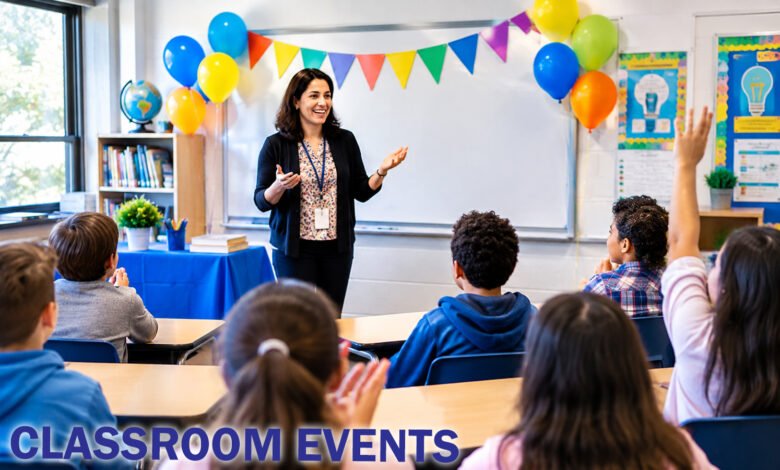
Learning is not only about books, tests, and homework. Students also need moments of joy, connection, and fun. This is where classroom events come in. A classroom event is any special activity that breaks the normal routine and brings students together in a new way. It can be a small party, a themed day, a game, or a bigger school celebration.
In this article, we will look at what classroom events are, why they matter, and how teachers can plan simple and successful events. We will also share ideas you can use in your own classroom, no matter what age group you teach.
What Are Classroom Events?
A classroom event is a planned activity that happens outside of the usual lesson plan. It gives students a break from regular schoolwork while still supporting their growth. Some events focus on fun, like a movie day or a costume party. Others focus on learning, like a science fair or a reading challenge. Many events do both at the same time.
Classroom events can be small, such as a Friday game hour, or big, such as an end-of-year celebration with the whole school. They can happen inside the classroom or in the wider school community, such as sports days, open nights, and award ceremonies. Many schools describe these events as a way to bring learning to life, build student confidence, and give families a chance to share in their child’s school life.
Why Classroom Events Matter
Some teachers may think events take time away from lessons. In reality, well-planned events support learning in many important ways.
They Boost Student Engagement
When students feel excited about school, they pay more attention and take part more actively. Fun activities help take the tiredness out of lesson plans and give students a reason to look forward to class. Events also support different learning styles. Some students learn best by reading and writing, while others learn through movement, pictures, or hands-on activities. A mix of classroom events helps reach all these different learners.
They Support Emotional Wellbeing
School can be stressful, especially around exam time. Events that focus on relaxation and connection, such as mindfulness activities or wellbeing mornings, help students manage stress and build a positive mindset. One school reported that after organizing a wellbeing event before exams, students felt calmer and more confident going into their tests. A school leader at the event explained that when schools focus on student wellbeing, they tend to see stronger engagement and a more positive outlook among learners.
Emotional health and academic success are closely linked. When students feel supported and cared for, they are more likely to focus, learn, and do well in their studies.
They Build Community and Connection
Classroom events are not just for students. They also bring in families and the wider school community. Events like meet-the-teacher nights, family feasts, and school fairs give parents a chance to be part of their child’s school life. This connection matters. Research shows that when parents are engaged in school life, students tend to have better grades, better attendance, and are more likely to finish school. Regular events like assemblies, talent shows, and award ceremonies also help build a shared sense of pride and belonging across the whole school.
They Create Lasting Memories
Ask any adult about their school days, and they will often remember the special events more than the regular lessons. A class party, a field trip, or a talent show can stay in a student’s memory for years. These memories help students feel a stronger connection to their school and their classmates, even long after they have moved on.
Types of Classroom Events
There are many kinds of classroom events, and they can be grouped into a few main categories.
Seasonal and Holiday Celebrations
These events happen around specific times of the year, such as winter holidays, spring, or the end of a school term. Examples include holiday parties, Halloween-themed days, or spring festivals. They are a simple way to add variety to the school calendar and give students something to look forward to.
Academic and Learning Events
Not every event has to be purely for fun. Some events combine celebration with learning. Examples include science fairs, book weeks, reading challenges, and spelling competitions. These events let students show off skills they have learned in a more relaxed and exciting setting than a normal test.
Themed Days
Themed days are easy to organize and very popular with students. Ideas include pajama day, beach day, camping day, or a favorite book character day. Teachers can decorate the classroom, plan matching activities, and let students dress up. These days are usually low cost but create a big sense of excitement.
Games and Friendly Competitions
Game-based events, such as class game shows, board game days, or trivia contests, are a fun way to review lessons while keeping students active and engaged. Teachers can turn spelling or math review into a game show format, with small prizes such as stickers or extra class privileges as rewards.
Talent and Performance Events
Talent shows, class plays, and performances give students the chance to share their skills in music, dance, comedy, or other talents. These events help build confidence and give quieter students a chance to shine in a different way than during regular class time.
Family and Community Events
Some of the most meaningful classroom events involve parents and the wider community. Meet-the-teacher nights, open days, school tours, and family meals give families the chance to connect with the school. These events can also include fundraising activities, charity drives, or community service projects.
End-of-Year and Milestone Celebrations
Graduations, award ceremonies, and last-day-of-school parties mark important milestones in a student’s journey. These events give students and teachers a chance to reflect on the year, celebrate progress, and say goodbye before a new chapter begins.
How to Plan a Successful Classroom Event
Planning a classroom event does not need to be complicated. Here are some simple steps to follow.
1. Set a Clear Goal
Before planning anything, think about what you want the event to achieve. Is it to build teamwork, celebrate an achievement, review a lesson, or simply give students a fun break? A clear goal will help you choose the right activities.
2. Choose a Simple Theme
A theme helps tie the event together and makes planning easier. It does not need to be expensive or complicated. A pajama day, a color-themed day, or a “favorite book” day can be just as exciting as a big, costly celebration.
3. Involve Your Students
Students love to feel included in the planning process. Ask them for ideas, let them vote on themes, or give them small jobs to do, such as decorating or organizing games. This makes the event feel more special and gives students a sense of ownership.
4. Keep Safety in Mind
Whenever an event involves group activities, food, or outside visitors, safety should come first. Make sure activities are age appropriate, check for allergies before serving food, and follow your school’s safety rules for any events involving guests or trips outside the classroom.
5. Communicate With Parents
If the event involves families, sending clear information ahead of time helps everyone prepare. Include the date, time, what to bring, and any other useful details. Clear communication also builds trust between teachers and parents.
6. Keep It Budget-Friendly
Many of the best classroom events cost very little. Simple decorations, homemade games, and creative themes can be just as fun as expensive parties. Focus on the experience rather than spending a lot of money.
7. Reflect Afterward
After the event, take a few minutes to think about what worked well and what could be better next time. Asking students for feedback can also give you great ideas for future events.
Simple Classroom Event Ideas to Try
Here is a short list of easy classroom event ideas for different times of the year:
- Pajama Day: Students wear their favorite pajamas to class for a cozy, relaxed day.
- Classroom Game Show: Turn a review lesson into a game show with teams and small prizes.
- Reading Camp Day: Set up a cozy reading corner and let students enjoy books all day.
- Talent Show: Give students a stage to share their unique skills and talents.
- Movie and Snack Day: Watch an age-appropriate movie with popcorn as a relaxing reward.
- Scavenger Hunt: Create clues connected to lessons for students to solve around the school.
- Family Feast or Potluck: Invite families to share a meal and connect with the classroom community.
- End-of-Year Memory Book: Have students create a keepsake with their favorite school memories.
Tips for Teachers
- Start small. You do not need a big, complicated event to make a difference. Even a short 20-minute activity can boost mood and energy.
- Spread events throughout the year instead of doing them all at once. This keeps students motivated and gives them something to look forward to regularly.
- Mix fun with learning where possible. Many games and activities can review lessons while still feeling like a celebration.
- Ask for help. Parents, older students, or teaching assistants can help you plan and run events without adding too much extra work.
- Keep a simple record of what activities worked best, so you can reuse and improve them next year.
Final Thoughts
Classroom events are more than just a break from schoolwork. They help students feel happier, more connected, and more motivated to learn. Whether it is a simple pajama day or a bigger family event, these moments create a positive classroom culture that students will remember for years to come. With a little planning, any teacher can bring more fun and connection into their classroom, one event at a time.
Frequently Asked Questions
What is the purpose of classroom events?
Classroom events give students a break from regular lessons while supporting learning, emotional wellbeing, and connection with classmates and teachers. They also help build a positive classroom community and give students memories they will carry with them long after the school year ends.
How often should teachers plan classroom events?
There is no fixed rule, but spreading a few small events throughout the school year works better than saving everything for one big celebration. Even short, simple activities once or twice a month can keep students motivated and engaged.
Do classroom events need to cost a lot of money?
No. Many successful classroom events are low cost or even free. Simple ideas like themed days, game reviews, or reading challenges only need a little planning and creativity, not a large budget.