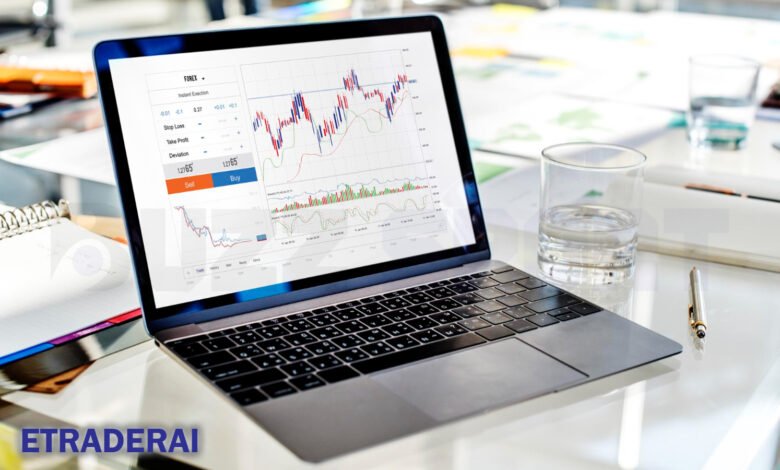
eTraderAI is a name you may have seen while looking for AI tools that help with trading. It shows up in many blog posts and ads that promise fast profits with little work. But before you trust any trading tool with your money, it is smart to slow down and learn the facts. This guide looks at what eTraderAI claims to be, how it is described online, and what you should check before you sign up.
What Is eTraderAI?
eTraderAI is described online as a web-based trading tool that uses artificial intelligence to study financial markets. According to marketing pages, it looks at data from stocks, forex, and crypto markets, then gives trading signals or even places trades for you. The idea is simple: instead of doing all the market research yourself, the software does it and tells you what to do, or does it automatically.
You may also see it written as “eTraderAI 3.1 GPT” or just “TraderAI.” These names are used to make the tool sound more advanced, since “GPT” is linked to popular AI chat tools. It is important to know that eTraderAI is not connected to E*TRADE, the well-known brokerage owned by Morgan Stanley. The names sound alike, but they are not the same company. This mix-up is common, and some marketing pages may use the similar name on purpose to build trust.
How Does eTraderAI Work?
Based on how it is described on review sites, eTraderAI works in a few basic steps:
- Sign up. You create an account with your name, email, and phone number.
- Fund your account. You add money, often through a partner broker linked to the platform.
- Set your risk level. Some versions let you choose how much risk the AI can take.
- Let the AI trade. The software scans the market and either sends you signals or trades on your behalf.
- Withdraw funds. You can (in theory) take out your money and any profit.
This process is common among AI trading tools. The main promise is that the software removes emotion from trading. Human traders often make mistakes when they feel fear or excitement. An AI system, the marketing says, sticks to data and logic instead.
What Features Does eTraderAI Claim to Offer?
Review sites and marketing pages list several features that eTraderAI is said to include:
- Live market data. Updates on prices for stocks, crypto, and currency pairs.
- Automated trading. The option to let the system trade without you watching the screen all day.
- Custom dashboards. Charts and reports that show how your account is doing.
- Demo accounts. A practice mode where you can test the platform with fake money first.
- Simple design. An interface that is meant to be easy for beginners to use.
These features sound helpful, and many legitimate trading platforms offer similar tools. The real question is not whether these features exist on paper, but whether the company behind them is honest, safe, and properly licensed.
Is eTraderAI Regulated by Any Financial Authority?
This is the most important question to ask about any trading platform, and it is one that marketing pages often avoid answering clearly.
In most countries, any company that manages your money or gives trading advice needs a license from a financial regulator. In the United States, this could be the SEC or FINRA. In the United Kingdom, it is the Financial Conduct Authority (FCA). In Australia, it is the Australian Securities and Investments Commission (ASIC).
At the time of writing, there is no clear public record showing that eTraderAI itself holds a license from a major regulator. This does not automatically prove it is a scam, but it is a serious warning sign. It is worth noting that several other platforms with very similar names, such as “Trader AI,” “Trader AI Intal,” and “Exodus Trading AI,” have been placed on official warning lists by regulators including the FCA and ASIC for offering financial services without a license. Because so many AI trading brands use similar names, it is easy to get confused about which ones have been flagged.
Before you trust any platform with your money, always search the official website of your country’s financial regulator. Type the exact company name and web address into their warning list search tool. This step takes just a few minutes and can save you a lot of trouble.
Is eTraderAI Safe to Use?
Honestly, it is hard to say for certain, and that is part of the problem. Here is what raises concern:
- Mixed and vague reviews. Many articles about eTraderAI repeat the same marketing language instead of sharing real user experiences.
- No clear company information. It is often hard to find who owns or runs the platform, where it is based, or who is responsible if something goes wrong.
- Bold profit claims. Any platform that promises guaranteed profits or very high, consistent returns should be treated with caution. No trading system, AI or human, can guarantee profits, because markets always carry risk.
- Pressure to deposit more. Some AI trading platforms push users to add more money quickly, often through phone calls from “account managers.” This is a common pattern in trading scams.
On the other hand, AI-based trading is a real and growing part of the finance industry. Large, licensed firms already use algorithms and machine learning in their trading systems. So the idea behind eTraderAI is not fake by itself. The concern is about this specific brand’s transparency and regulation, not about AI trading as a general concept.
What Do Users Say About eTraderAI?
Online opinions about eTraderAI are mixed. Some blog posts and comparison sites describe it in a positive way, calling it easy to use and helpful for beginners. However, many of these posts read like advertising rather than honest reviews, and it can be hard to tell if they were written by real users or by the platform’s own marketing team.
Independent, verified reviews from trusted platforms like Trustpilot or well-known financial watchdog sites are limited. When a product has very few independent reviews but many promotional articles, it is a sign to do extra research before you commit any money.
How Is eTraderAI Different From E*TRADE?
This point is worth repeating because the names are so close. E*TRADE is a real, licensed brokerage in the United States, now part of Morgan Stanley. It has been operating for decades, holds proper licenses, and is covered by investor protection rules like SIPC insurance.
eTraderAI is a separate product with a similar-sounding name. It is not owned by ETRADE or Morgan Stanley, and it does not carry the same regulatory history or protections. If you search for “eTraderAI” hoping to find tools linked to ETRADE, you will not find an official connection. Always check the exact spelling and company details before you trust a brand name.
Should You Use an AI Trading Platform Like eTraderAI?
There is no simple yes or no answer, because it depends on your own goals and how much risk you are willing to take. That said, here are a few honest points to think about:
- AI trading is a tool, not a guarantee. Even the best algorithm cannot predict the market with full accuracy. Markets move because of news, human behavior, and events that no formula can fully control.
- Start small if you try it. If you do decide to test a platform like this, only use money you can afford to lose, and start with a small amount.
- Use the demo account first. If a demo or practice mode is offered, use it to understand how the platform behaves before you add real funds.
- Check withdrawal terms. Before depositing, read how withdrawals work. Some risky platforms make it easy to deposit money but hard to take it out.
- Compare with regulated brokers. Well-known, licensed brokers often offer their own automated or AI-assisted tools, with the added safety of regulation and investor protection.
Tips to Protect Yourself Before You Trade
Whether you choose eTraderAI or any other platform, these habits will help keep your money safer:
- Verify the license. Search the regulator’s website directly, not just links given by the platform.
- Read independent reviews. Look for reviews on sites that are not connected to the platform itself.
- Avoid pressure tactics. Walk away if someone pushes you to deposit more money quickly.
- Never share remote access. Do not let anyone control your computer or trading account for you.
- Keep records. Save all emails, chats, and transaction details in case you need them later.
- Trust your instinct. If an offer sounds too good to be true, it probably is.
Conclusion
eTraderAI presents itself as a modern, AI-powered trading tool that promises to make trading easier and more accurate. The idea fits into a real trend in finance, where artificial intelligence is playing a bigger role every year. However, the lack of clear regulation, the mix of promotional content online, and the confusion with the trusted E*TRADE brand name are all reasons to be careful.
Before you use eTraderAI or any similar platform, take time to check its regulatory status, read independent reviews, and never invest more than you can afford to lose. Smart trading starts with smart research, not just smart software.
Frequently Asked Questions
Is eTraderAI connected to E*TRADE?
No. eTraderAI is not owned by or connected to E*TRADE, the licensed brokerage owned by Morgan Stanley. The names sound similar, but they are separate companies with no official link. Always double-check the exact website and company name before you trust a brand, since similar names are often used in marketing to build false confidence.
Is eTraderAI regulated by a financial authority?
There is no clear public record showing that eTraderAI holds a license from a major financial regulator such as the FCA, SEC, or ASIC. Several similarly named “AI trading” platforms have appeared on official regulator warning lists. Always check your country’s regulator website directly before depositing any money.
Can AI trading platforms guarantee profits?
No trading platform, including AI-based ones, can honestly guarantee profits. Markets change due to news, economic events, and human behavior that no algorithm can fully predict. Be cautious of any platform, including eTraderAI, that promises fixed or very high returns, since this is a common warning sign of a risky or dishonest service.