Introduction
Are you looking for the best fabes con almejas near me? This dish is a soft white bean stew with fresh clams. It comes from Asturias, a green region in northern Spain. You will not see it on every menu, so finding a good bowl takes a little care. In this guide, you will learn what the dish is and how it differs from fabada. You will also get seven easy tips to spot a real version, plus ideas for what to eat with it.
What Is Fabes con Almejas?
Fabes con almejas means “beans with clams.” In the Asturian language, it is also called fabes con amasueles. According to Wikipedia, the stew started in Asturias in the 19th century as simple farm food. The main parts are large white beans and small clams. Cooks add onion, garlic, parsley, and olive oil. Some also use saffron or sweet paprika.
The broth is light, but the taste is deep. The beans soak up the salty flavor of the clams. A good bowl feels creamy, never watery. Because the recipe is so simple, ingredient quality matters a lot. A few weak parts can spoil the whole plate.
Quick Facts About the Dish
| Item | Details |
|---|---|
| Dish name | Fabes con almejas |
| English meaning | Beans with clams |
| Region | Asturias, northern Spain |
| Main ingredients | White beans (fabes) and clams |
| Other flavors | Onion, garlic, parsley, olive oil, sometimes saffron or paprika |
| Served | Hot, as a starter or a main dish |
| Classic drink | Asturian cider |
| Related dish | Fabada asturiana |
How Is It Different From Fabada?
Fabada asturiana is the most famous dish of the region. It is a heavy stew made with beans, chorizo, blood sausage, and pork. Fabes con almejas is its lighter cousin. A Spanish Ministry of Agriculture magazine explains how the strong, traditional fabada changed. It became lighter bean dishes with clams or lobster. The magazine says these dishes are easy to digest.
Fabada is often eaten in winter as the biggest meal of the day. The clam version feels fresher and more like the coast. Both dishes use the same kind of bean. So if a menu says “fabada,” you will get meat, not clams. Always read the name before you order.
Look for Asturian and Northern Spanish Restaurants
Start with restaurants that cook the food of Asturias. Look for words like cocina asturiana or sidrería, which means cider house. These places know the dish and cook it often. A restaurant that focuses on one Spanish region is usually a better choice than a general tapas bar.
Big cities offer more choice because they have more Spanish restaurants. In a small town, you may need to travel to the next city. Do not worry if the dish is missing from the main menu. Some kitchens cook it only on certain days or as a special.
Search With the Right Words
Do not stop at the full phrase. Try “fabes con almejas” with your city name. Then try “Asturian restaurant” and “fabada” with your city too. A kitchen that makes fabada often knows other fabes dishes. You can also search on Google Maps, where diners add photos and short reviews.
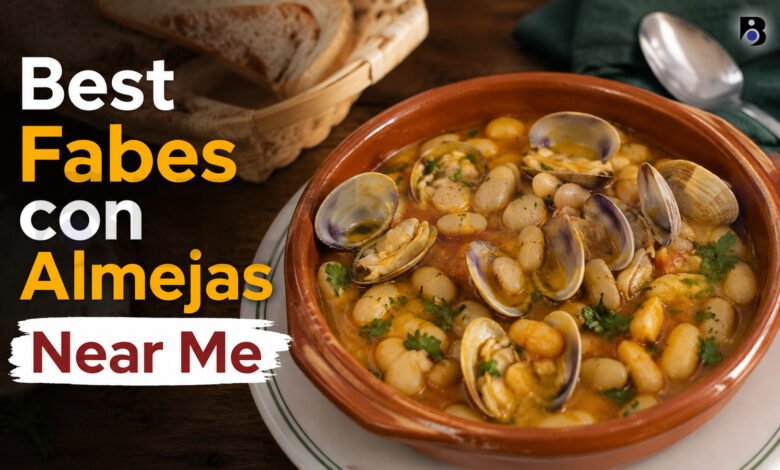
Look closely at the photos. A good bowl shows whole, pale beans and open clam shells in a light broth. Be careful with websites that list “top restaurants” without real addresses. Some pages copy the same text for every city. Trust Google Maps, official restaurant sites, and local food writers more.
Check the Beans First
The bean is the star of the plate. The Asturias tourism board says the best-known bean of the region has the protected label IGP Faba Asturiana. The label was created in 1990 to protect a local bean. At that time, beans from South America were taking its place. It also shows that the bean comes from Asturias and from traditional varieties.
For this dish, the tourism board says a smaller and finer bean works well. It should keep its shape but feel soft in the mouth. It should not hide the taste of the sea. Ask the staff which beans they use. A proud kitchen will happily tell you. Outside Spain, IGP beans can be hard to get, so an honest answer matters more than a label.
Ask About the Clams
Fresh clams make the dish. Ask where the clams come from and when they arrive. Good clams smell like the sea, not like old fish. Their shells open in the hot broth. Shells that stay closed after cooking should be thrown away, so check your bowl.
Sand is another common problem. Good cooks clean the clams in salt water before cooking. The broth should taste salty and sweet, never gritty. Canned clams give a flat taste. If the price looks too low for a seafood dish, ask a few questions before you order.
Read Recent Reviews and Menu Notes
Reviews can save you from a bad meal. Search the review page for words like fabes, clams, beans, or Asturias. Reviews from the last few months matter most, because chefs and suppliers change. Look for comments about the broth and the texture of the beans.
Then read the menu description. A detailed line that names the bean and the type of clam is a good sign. A short line like “bean and seafood stew” tells you very little. When several diners praise the same dish by name, the kitchen probably cooks it well.
Ask How the Dish Is Cooked
Slow cooking gives the creamy texture. Dried beans are usually soaked overnight and then cooked gently. One recipe on the Asturias tourism website uses fresh or dried fabes. It adds about 24 fine clams for four people. That gives you an idea of the balance between beans and clams.
Gentle cooking keeps the beans whole. Heavy stock, too much saffron, or strong spice can hide the taste of the clams. You can ask the staff if the clams are added near the end. This keeps them tender. A kitchen that cares will gladly explain its method.
Check the Season and Call Ahead
The dish depends on good beans and good clams. One Spanish cooking site notes that the bean harvest and the clam season shape the best time to enjoy it. So the dish may be on the menu only at certain times of the year. A restaurant may also run out on busy days.
Call before you go. Ask if they serve it today and if you should book a table. If you have a shellfish allergy, tell the staff first. They can help you choose a safe dish. A short phone call can save you a long trip.
What a Good Bowl Looks and Tastes Like
A good bowl has whole white beans with thin, soft skins. The beans taste creamy and a little buttery. The broth is light and clear, with a hint of garlic and olive oil. The clams are tender and not rubbery. Fresh parsley or a little chili may add a bright touch.
Watch out for warning signs. A thick, heavy sauce suggests a shortcut. Broken, mushy beans mean the pot was stirred too hard or cooked too long. A very salty taste can hide old clams. If the bowl matches the good signs above, you have likely found a real version.
What to Eat and Drink With It
In Asturias, people often serve this dish with good bread and cider. The bread helps you finish the broth. Asturian cider is dry and sharp, so it cuts through the creamy beans. Cider is poured from a height to add air and bring out its flavor. If you are lucky, your server will show you how.
Some diners like a light salad on the side. A glass of cold white wine also suits the clams. The dish is filling, so you may not need much else. Keep dessert simple, such as fresh fruit or a small cake.
Can You Cook It at Home?
If no restaurant near you serves it, you can try it at home. Buy good white beans and fresh clams. Soak dried beans overnight. One home recipe uses about 500 grams of beans, an onion, and a few vegetables for the base. Cook the beans slowly until they feel creamy.
Add the clams at the end, and cook only until the shells open. Finish with olive oil and chopped parsley. Serve it in a bowl with bread. Even if your version is not perfect, it will teach you what to look for in a restaurant.
Conclusion
Finding the best fabes con almejas near me takes some patience, but it is worth the effort. Start with Asturian and northern Spanish restaurants. Check the beans, ask about the clams, and read recent reviews. Then call ahead to confirm the dish is ready. With these seven tips, you can tell a careful, traditional bowl from a weak copy. Enjoy your meal, and do not forget the bread and cider.
Frequently Asked Questions
Is fabes con almejas the same as fabada?
No. Both dishes come from Asturias and use white beans. Fabada also has chorizo, blood sausage, and pork, so it is rich and heavy. Fabes con almejas uses clams instead of meat, so it is lighter and tastes more like the sea.
What does fabes con almejas taste like?
It tastes soft, creamy, and gently salty. The beans are buttery, and the broth carries the flavor of the clams. Garlic, olive oil, and parsley add a fresh touch. It is not usually a spicy dish, although some cooks add a small chili.
Can I find fabes con almejas outside Spain?
Yes, but it is rare. Spanish restaurants around the world often serve fabada, but fabes con almejas is a more special dish. Try Asturian or regional Spanish restaurants in big cities. Call first to ask if it is on the menu. Some chefs will make it for a booked table.