Fall Home Maintenance 2026 — The Plumbing & HVAC Checklist Every Homeowner Needs

Before winter, every homeowner should service the heating system, replace HVAC filters, test the thermostat, flush the water heater, insulate exposed pipes, shut off outdoor faucets, and check for hidden leaks. These simple steps can reduce the risk of cold-weather breakdowns, lower energy bills, and help your plumbing and HVAC systems last longer.
Why fall is the best time for plumbing and HVAC maintenance
Heating and plumbing problems often become more noticeable during periods of extreme cold. That is also when service companies are busiest and repair costs feel the most painful.
Fall gives you a window. The weather is mild, your system is not yet under heavy load, and appointments are easier to book. A small fix now, like a worn belt or a dripping valve, is far cheaper than an emergency call in January.
Think of it like a check-up. You are not waiting for something to break. You are making sure nothing does.
Part 1: Your fall HVAC checklist
1. Replace or clean your air filter
This is the easiest task on the list, and one of the most important. A clogged filter makes your system work harder, raises energy bills, and reduces indoor air quality.
- Check standard 1-inch filters every 1–3 months
- Replace more often if you have pets, allergies, or ongoing construction nearby
- Write the date on the filter frame so you remember
2. Test your thermostat
Switch your thermostat to heat and raise the temperature a few degrees. You should hear the system start and feel warm air within a few minutes.
If you still use an old manual thermostat, fall is a good time to upgrade. Smart and programmable thermostats can lower heating costs by adjusting the temperature when you are asleep or away.
3. Schedule a professional heating tune-up
A technician can spot problems you cannot see. A typical tune-up includes:
- Inspecting the heat exchanger for cracks (important for carbon monoxide safety)
- Cleaning burners and checking ignition
- Testing electrical connections and safety controls
- Checking refrigerant and coils on heat pumps
- Lubricating moving parts and checking belts
Some manufacturers require regular maintenance to preserve warranty coverage, so homeowners should check their specific warranty terms.
4. Clear around vents and outdoor units
Furniture, rugs, and curtains blocking vents restrict airflow. Outside, clear leaves, branches, and debris from around heat pump units. Leave at least two feet of open space.
5. Test carbon monoxide and smoke detectors
If you have a gas furnace, water heater, or fireplace, working CO detectors are not optional. Test every alarm and replace batteries. Most detectors need full replacement every 7–10 years; check the date on the back.
Part 2: Your fall plumbing checklist
6. Insulate exposed pipes
Pipes in garages, crawl spaces, attics, and exterior walls are most at risk of freezing. Foam pipe sleeves are cheap and quick to install.
A frozen pipe can crack and release a large amount of water once it thaws. Prevention costs a few dollars. Water damage can cost thousands.
7. Shut off and drain outdoor faucets
- Disconnect and store garden hoses
- Close the indoor shut-off valve for each outdoor spigot
- Open the outdoor faucet to let remaining water drain
- Consider frost-free hose bibs if you live in a colder area
8. Flush your water heater
Sediment builds up at the bottom of tank water heaters over time. It makes the heater less efficient and can cause rumbling or popping sounds.
Flushing the tank once a year helps it heat faster and last longer. If your water heater is more than 10 years old, leaks around the base, or produces rusty water, it may be time to plan a replacement before it fails.
9. Check for hidden leaks
Small leaks waste water and cause mold and structural damage. Look for:
- Water stains on ceilings or walls
- Damp cabinet floors under sinks
- Running toilets (add food coloring to the tank; color in the bowl means a leak)
- A water meter that moves when all water is turned off
Smart leak detectors are an affordable way to get phone alerts before a small drip becomes a flood.
10. Know where your main shut-off valve is
Every adult in the home should know how to turn off the main water supply. In a burst-pipe emergency, those first few minutes matter most. Make sure the valve turns easily and is not blocked.
When to call a professional
DIY maintenance goes a long way, but some problems need a licensed technician. Call for help if you notice:
- Heating that runs constantly but never reaches the set temperature
- Strange smells, especially gas or burning odors
- Banging, grinding, or squealing from the furnace or outdoor unit
- Low water pressure throughout the house
- Slow drains in more than one fixture
- Water heater leaks or no hot water
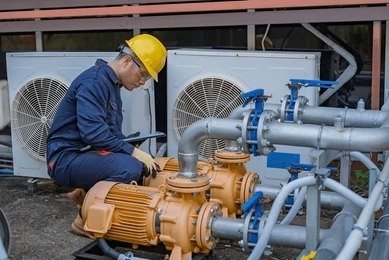
For issues like these, it pays to work with a company that offers professional plumbing & HVAC services under one roof. One team can diagnose problems that cross both systems, such as a water heater tied to your heating setup.
Repair or replace: making the right call
Fall is also the best time to decide whether an aging system needs replacing. Waiting until it fails in the middle of winter leaves you with fewer options and higher pressure.
Consider replacement when:
- Your furnace or heat pump is 15+ years old
- Repairs are becoming frequent and expensive
- Energy bills keep rising with no change in usage
- Some rooms are always too hot or too cold
Newer systems are significantly more efficient. The industry is also moving to newer, lower-impact refrigerants, so it is worth asking a technician how that affects your options. Expert HVAC installation & repair services can help you compare the cost of repairing your current unit against the long-term savings of a new one.
Your fall checklist at a glance
- Replace HVAC air filter
- Test thermostat (or upgrade to smart)
- Book a heating tune-up
- Clear vents and outdoor units
- Test CO and smoke detectors
- Insulate exposed pipes
- Shut off and drain outdoor faucets
- Flush the water heater
- Check for hidden leaks
- Locate and test the main water shut-off
Frequently asked questions
How often should I service my HVAC system? At least once a year. Ideally, service heating in the fall and cooling in the spring. Heat pumps, which run year-round, benefit most from twice-yearly checks.
How much does an HVAC tune-up cost? Prices vary by region and system type. A routine tune-up usually costs far less than a single emergency repair, and many companies offer yearly maintenance plans.
At what temperature do pipes freeze? Pipes in unheated spaces are at risk when outdoor temperatures drop to around 20°F (-6°C) or lower, especially for several hours.
How long does a water heater last? Most tank water heaters last about 8–12 years. Tankless models often last 20 years with proper maintenance.
Can I do HVAC maintenance myself? You can change filters, clear vents, and test your thermostat. Inspecting gas components, electrical parts, and refrigerant should be left to a licensed technician.
Should I hire one company for plumbing and HVAC? It often saves time. A single provider knows your whole system, can schedule both inspections together, and handles problems that involve both areas.
Final thoughts
A few hours of fall maintenance can save you from cold nights, burst pipes, and expensive emergency calls. Start with the simple tasks, like filters and outdoor faucets, then book a professional inspection for the rest.
Your home works hard all winter. Giving its plumbing and HVAC systems a little attention now keeps everything running safely, efficiently, and quietly until spring.