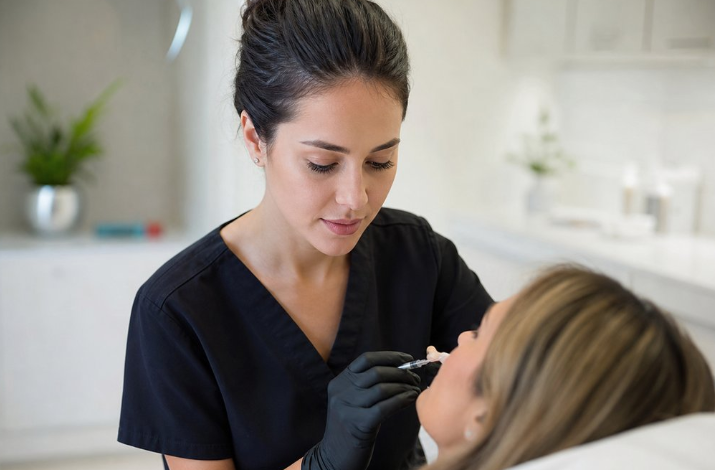
Choosing the right aesthetic courses in London to ensure you progress safely in clinical practice
It’s easy to think of aesthetic courses as simple: you learn to do a treatment, get a certificate, and start offering it. In reality, picking the best course isn’t just about checking the treatments on offer. There are other factors that can make a huge difference in how ready you feel to treat clients. These include how much practical experience you get, how good the anatomy tuition is, the way you’re assessed, and the aftercare you’ll receive once the course ends.
You want a good course to help you build safe clinical decision-making skills as well as practical skills. For example, understanding when a treatment is right for a client and when it should be postponed, or when a client needs to be referred rather than treated. To know more about this, visit this page.
Match Training to Your Current Skills
Not all aesthetic courses are aimed at the same level of experience. Some are designed as an introduction for beginners, whereas others require prior knowledge and experience in certain treatments or in the health industry. So it’s important to read up on any prerequisites before you pay your deposit.
It’s also worth asking if the course is going to teach you treatments that you’re likely to offer soon, rather than taking multiple advanced courses that you won’t be able to use for some time yet. Check if these points are answered before you sign up:
- Are there live models for practical work?
- How many students per trainer?
- How will you be assessed?
- Is the qualification accepted by insurance companies?
- Do you get access to mentors or further training?
A certificate doesn’t necessarily mean you’ve reached a competent standard.
What Should Hands-On Training Include?
Short demos of treatments can make them seem easy. A good course will explain the rationale for each stage of a treatment, including the anatomy, the product, the depth of injection (if relevant), consultation questions, contraindications, aftercare and record-keeping.
Ask how much supervised practice time you’ll get. It’s great to watch someone do a treatment, but it’s not the same as doing it yourself and getting feedback on how to improve. It’s important to practise talking through consultations – learn more at https://cochranelibrary.com/cdsr, creating a treatment plan, using the correct methods for waste disposal as well as performing the actual treatment.
Complications should be discussed honestly. No reputable course will claim their treatment is risk-free; they’ll discuss what signs to look out for and how to report and escalate issues.
Certification Must Be Unambiguous
‘Fully certified’ can mean very different things depending on the course, the insurer, the type of treatment and your background. If you’re comparing certified aesthetic courses in London, find out what certificate you’ll be getting, who gives it, and how you’ll be practically assessed, before you book.
You may also want to know what you’ll be able to take away with you after the course has finished, as you might need certificates, treatment logs, consultation forms, insurance details and CPD documentation when you arrange cover or work in a clinic.
If you’re working with injectables, the practitioner should be aware that you should wait for an appropriate period following a recent procedure or change in medication before giving a treatment. This is something that should be taught during consultation training, rather than being forgotten in the rush to do a treatment.
Practical Details Can Decide the Value
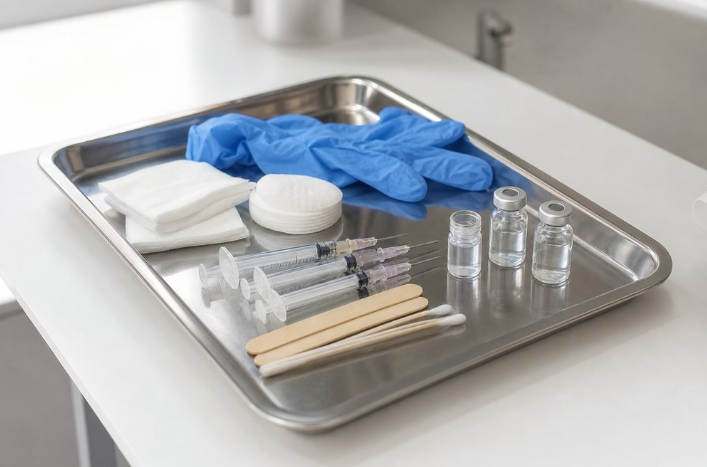
Obviously the treatment you learn is important, but sometimes the details can tell you a lot about whether the course is geared towards real-world practice. Ask if you’re provided with a model, if you’re given products and consumables, and whether there are additional costs for kits, assessments or further sessions.
Smaller group sizes can allow for more tailored feedback, while larger groups can mean fewer treatments per student. If the course offers several treatments in a single day, is there enough time to fully understand each one? What if you don’t feel comfortable treating clients on your own after the course and need further supervised treatment?
Build Skills One Step at a Time
It’s beneficial to take things step-by-step in many cases. Many people benefit from developing a good basis of consultation skills, cleanliness, face mapping, client interaction and core treatments before moving on to more advanced treatments. You should be able to describe why a certain treatment is right for a specific client. Keep a log of treatments you do under supervision, the feedback you receive and the areas you need to work on. It’ll be a more useful tool than simply having a certificate.
Pick a course that suits your current level, teaches you how to learn safely in a practical setting and clearly explains what you’ll be qualified to do after the course. Consider whether the course provider is being open with you about prerequisites and practical hours, which could inform your decision to enrol. Ask to see the full timetable, how you’ll be assessed, their policy regarding models and a full list of materials you’ll need to bring or buy.