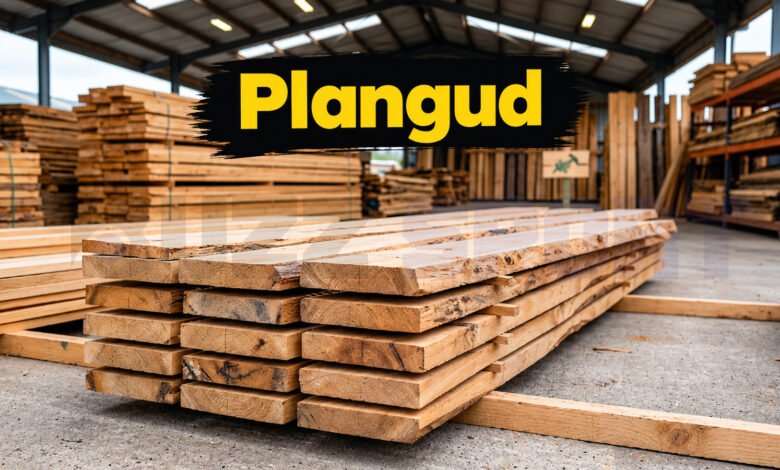
You may have seen the word “plangud” in a search result, a timber shop, or a strange blog post. It looks like a brand name, so it is easy to think it is an app or a new way to organize your day. Some websites say exactly that. Other websites say it is just a word for wood.
So which one is right? In this article, we look at what real dictionaries say, what sellers and cooks say, and what online planning websites claim. By the end, you will know what plangud means, where people use it, and how to avoid confusing or fake information.
The Short Answer
Plangud is an Estonian word. It is the plural of “plank“, which means a thick, narrow wooden board. So in plain English, plangud means “planks”.
That is the only meaning we could confirm from a proper dictionary. Some websites also use the word for a digital planning tool or a lifestyle idea, but those claims are much harder to check. We will look at them later in this article.
What Plangud Means in Estonian
Estonian is the language of Estonia, a small country on the Baltic Sea. In Estonian, “plank” is a normal word, and its plural form is “plangud”.
The Estonian explanatory dictionary (EKSS), which comes from the Institute of the Estonian Language, describes a plank as a narrow board that is about 5 to 10 centimeters thick. The examples in the dictionary are simple and clear. Sawmills cut logs into boards and planks. Thick planks are stacked in piles. Benches can be built from planks.
The dictionary also shows how the word is used in compound words:
- kuuseplank means spruce plank
- männiplank means pine plank
- tammeplank means oak plank
- laevaplank means ship plank
The dictionary gives a second meaning too. In Estonian, a plank can also be a tall fence made of solid boards, with no gaps between them. People say things like “a high plank surrounded the yard”. So the word can describe the wood itself or a fence built from it.
A small warning about similar words
Estonian has other words that look almost the same. The same dictionary lists a separate word “plank” for a printed form or letterhead paper, and a slang use of “plank” that means being broke and having no money. These words have different forms and belong to different entries. The Estonian fitness world also uses “plank” for the well known core exercise, where you hold your body straight like a board.
So if you see “plangud” in an Estonian text, the context tells you which idea the writer means. Most of the time, it means wooden planks.
What Is a Plank, Exactly?
Even if you do not speak Estonian, the idea is easy to understand. According to Wikipedia, a plank is a piece of timber that is flat, long, and rectangular, with parallel faces. People use planks in carpentry to build ships, houses, bridges, shelves, and tables.
There is no single worldwide size for a plank. For example, the same article says the German standard DIN 68252 requires a plank, which Germans call a “Bohle”, to be at least 40 millimeters thick. Other countries and sellers use different rules. That is why the word “plank” on its own does not tell you the exact size. You always need to check the thickness, width, and length before you buy.
Where You Can See Plangud in Real Life
In sawmills and building work
The most common use of plangud is in the timber trade. A sawmill cuts logs into boards, and thick boards are called planks. Builders use them for floors, terraces, garden decks, fences, and simple furniture.
One Estonian guide says sawn timber sellers usually offer boards from about 14 to 100 millimeters thick. It also says that thick, unedged boards for furniture often sit between 45 and 70 millimeters. Treat these numbers as a rough guide, because every seller has its own product list.
In fences and old houses
As the dictionary shows, a plank fence is a classic sight in Estonian yards. The examples mention gray old planks on houses, posters glued to fences, and children climbing over a fence. So plangud also belongs to everyday village and city life, not only to factories.
In online forums
You can even find the word in Estonian building forums. In one forum thread, a person found a pile of old unedged planks in an attic. They were about 5 to 7 meters long, and the person asked what to do with them and whether anyone would buy them. This is a good example of how normal people use the word: as a plain name for a pile of thick boards.
What Does “Servamata Plangud” Mean?
When you search for plangud, you may also see the phrase “servamata plangud”. In Estonian, “servamata” means “unedged”. So servamata plangud are planks where the sides have not been cut straight. At least one long side still follows the natural shape of the tree.
Estonian sellers list these planks in many wood types. One seller shows unedged planks in pine, birch, alder, aspen, and ash. All of them are 50 millimeters thick. The same seller says the wood is dried to a moisture level of 10 to 14 percent, which is called “tislerikuiv” in Estonian. That means the wood is dry enough for carpentry and furniture work.
Why does this matter? Dry wood is less likely to bend or crack after you build something with it. If you ever buy planks, ask about the moisture level. It is one of the most useful questions you can ask.
Plangud and Cooking: The Grilling Plank
There is another place where the English word “plank” appears a lot: the kitchen. Cooking on a wooden plank is a popular way to grill fish, especially salmon. The wood gives the food a soft, smoky taste.
If you like this idea, here are the main steps that cooking websites agree on.
- Choose the right wood. Cedar is the most common choice. Pick a plank that is made for cooking and is untreated. Planks from a hardware store can have chemicals or finishes on them that are not safe for food.
- Check the thickness. Many guides suggest about half an inch (around 1.2 centimeters) or thicker. A thicker plank burns more slowly, and you can reuse it more often.
- Soak the plank in water. Cooks give different times. Some say 30 minutes is enough, while others say one to two hours, and some go even longer. Because the plank floats, put a heavy plate or bowl on top to keep it under water.
- Heat the grill. Medium heat, around 350 to 450 degrees Fahrenheit (about 175 to 230 degrees Celsius), works for most recipes.
- Cook the food. Some cooks put the plank on the grill first, for a few minutes, until it starts to smoke. Then they add the fish and close the lid. A salmon fillet often needs around 15 to 25 minutes, depending on how thick it is.
- Stay close. Keep a spray bottle of water nearby. The wood should smolder, not burn. If it catches fire, a few sprays of water usually solve the problem.
- Clean it carefully. If the plank is still in good shape, wash it with hot water and no soap, because soap can stay in the wood. If it is very burned, throw it away or break it up for smoking chips.
The exact details change from one guide to another, so always read the instructions that come with your plank. The safe rule is simple: soak it, watch it, and never leave the grill alone.
Is Plangud a Planning Tool?
Now for the question many people really have. Is plangud a digital planning tool, an app, or a productivity method?
If you search online, you will find many pages that say yes. They describe plangud as a planning framework, a teamwork platform, or even a lifestyle. One website, plangud.com, presents itself as a modern planning platform for teams. Other pages describe it as a mindset that helps you avoid planning stress.
But these pages do not agree with each other. Here is what we noticed:
- Some pages say plangud started in online culture and means creativity and community.
- Some pages say it is a planning method with layers and regular reflection.
- Some pages say it is a real platform with team tools.
- Other pages say it has no fixed meaning at all and depends on context.
- At least one detailed article says there is no verified product or method with this name, and that the only clear meaning is the Estonian word for planks.
Another article makes a fair point. It says there does not seem to be a planning method with one fixed definition that is recognized everywhere. That matches what we found. We could not find a trusted source, such as a dictionary, a university, or a well known software review, that confirms plangud as a proven productivity system.
So the honest answer is this: a website called plangud.com does exist and calls itself a planning platform, but the bigger claims about a “plangud method” are not backed by reliable sources. If you decide to try any tool with that name, check the company, read real user reviews, and do not pay before you understand what you get.
Why Do So Many Articles Disagree?
It is normal to ask why one small word can have so many stories. There are a few simple reasons.
The word looks like a brand. “Plangud” sounds a bit like “plan” and “good”, so many writers guess it is about planning. They write an article around that guess, and other writers copy it.
Search traffic. When people search for a strange word, websites want to answer quickly, even if they do not know the real meaning. Some of them fill the page with general words about productivity, teamwork, and growth. These pages can sound smart but say very little.
Copying. Once one article says “plangud is a planning concept”, others repeat it. After a while, it looks like many sources agree, but they all started from the same guess.
Language barriers. Estonian has about one million native speakers. English writers often do not check Estonian dictionaries, so they miss the simple answer.
How to Check a Claim About a New Word
You can use the same steps for any strange word you find online.
- Look for a dictionary first. A national language institute or a known dictionary is a stronger source than a random blog.
- Check the language. If a word looks foreign, try searching it in the language it might come from.
- Look for real examples. Do you see the word used by shops, forums, or news sites? In this case, Estonian timber sellers and building forums use it in the normal way.
- Be careful with vague pages. If a page uses many big words but never gives clear facts, names, or dates, be careful.
- Compare at least three sources. If they all repeat the same sentences, they may be copying each other.
Quick Summary of the Meanings
| Meaning | How strong is the evidence? | Where you see it |
|---|---|---|
| Planks (thick wooden boards) | Strong. Confirmed by an Estonian dictionary and by timber sellers | Sawmills, building, fences, furniture |
| Grilling planks | Good, through the English word “plank” | Kitchens, barbecues |
| Digital planning platform | Weak to medium. One site calls itself a platform, but outside proof is thin | plangud.com and some blogs |
| Planning method or lifestyle | Weak. Sources disagree and few are reliable | Mostly blog posts |
Final Thoughts
Plangud looks like a mystery word, but the clearest answer is simple. It is the Estonian plural of “plank”, so it means thick wooden boards. You can see it in sawmills, fences, building projects, and forums where people talk about old timber.
Some websites use the same word for a planning tool or a lifestyle idea. One site really does present a planning platform under this name, but most of the bigger claims are not supported by trusted sources. When you read about a new word, check a dictionary first, look at how real people use it, and be careful with pages that sound impressive but give few facts.
If you came here for planks, you now know what to ask for. If you came for a planning tool, take your time and test before you trust.
Frequently Asked Questions
What does plangud mean in English?
Plangud means “planks” in English. It is the plural of the Estonian word “plank”, which is a thick, narrow board of wood. The Estonian dictionary describes a plank as a board about 5 to 10 centimeters thick, and the word is also used for a fence made of solid boards.
Is plangud a real app or planning method?
There is a website, plangud.com, that calls itself a planning platform for teams. However, we could not find strong, independent proof that plangud is a well known app or a proven planning method. Many blog posts describe it in different ways, and some of them seem to guess the meaning. If you plan to use any tool with this name, read real reviews first and check who runs it.
What is the difference between plangud and servamata plangud?
Plangud is the general word for planks. Servamata plangud are unedged planks. This means the long sides have not been cut straight, so they still show some of the natural shape of the tree. Sellers often offer them in wood types like pine, birch, and alder, and they should be dry enough for carpentry, which means a moisture level of about 10 to 14 percent.