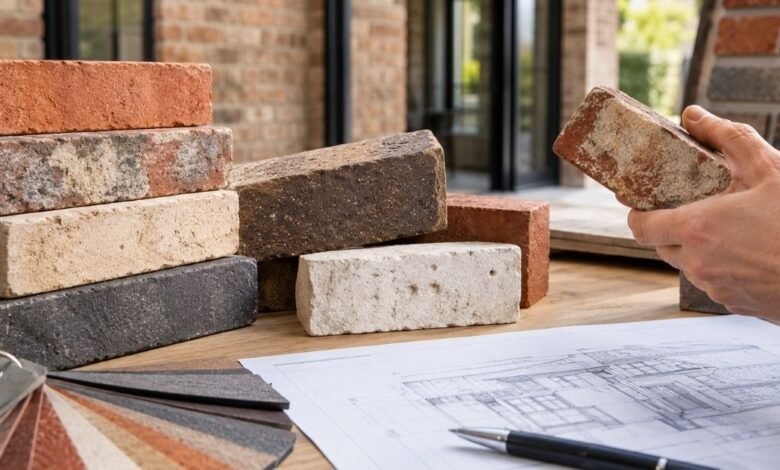
You’ve photographed the existing wall, checked the catalogue, and the brick looked like a close match on screen. Then the sample arrives, and beside the weathered original it reads too bright, too uniform or simply wrong. On a bespoke extension or heritage project, that gap matters. A poor match can fail a planning condition, delay sign-off and leave a client unhappy with work they’ll look at every day.
The same challenge applies to new builds, where the right brick, specials and delivery dates all need to come together to deliver the intended design. Specialist bricks give you far better odds of getting it right, but only if you source them the right way. So where do you start when the brick you need isn’t sitting on a standard price list?
Start With a Clear Brief
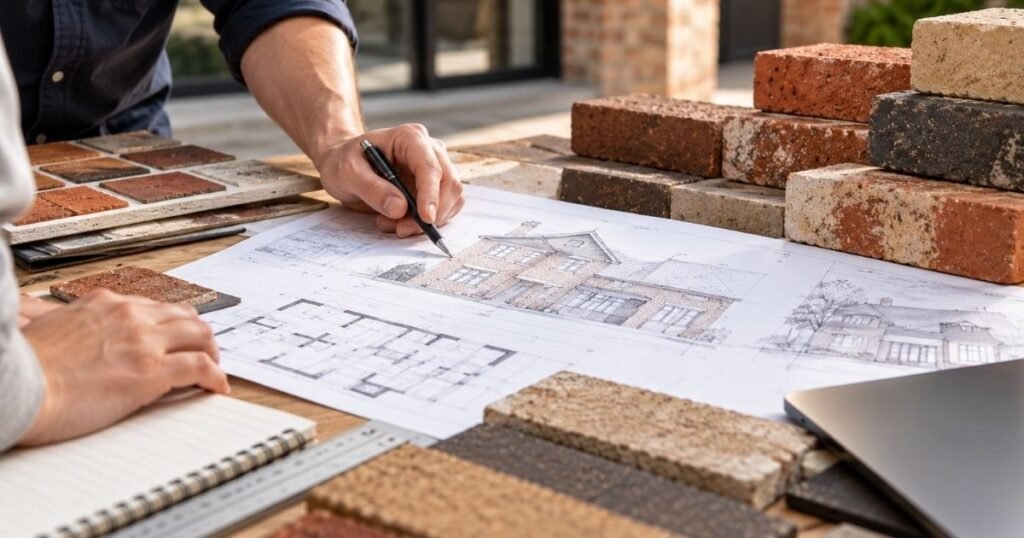
Before contacting any supplier, pin down what the brick needs to achieve. A clear brief should cover:
- The visual goal: colour range, texture, size and finish
- The performance needs: frost resistance, water absorption and strength for the exposure conditions
- The setting: conservation area, listed building, planning conditions or an open site with design freedom
- Quantities, including allowances for cutting and wastage
- Programme dates, so lead times can be checked against the build schedule
Planning conditions in particular can narrow choices quickly, so share any council requirements at the first conversation.
Matching Existing Brickwork
Extensions, infill plots and restoration jobs often call for a brick that blends with what is already there. Take clear photos of the existing wall in daylight and, if possible, salvage a loose brick to bring to the supplier. Colour shifts with weathering, so a new brick that looks close on paper may read differently beside a wall that has stood for decades.
Blended ranges are useful here. A product such as Ibstock Alnwick Blend mixes tones within a single brick type, which helps new work sit comfortably beside older brickwork rather than standing out as a flat block of colour. Ask the supplier for samples you can hold up against the existing wall before committing.
Understanding Texture and Character
Texture shapes how a facade reads as much as colour does. Smooth wirecut bricks give crisp, clean lines, while handmade and waterstruck bricks bring softer edges and variation from one brick to the next.
Pinhole bricks are worth considering for projects that want subtle surface interest. The small pinholes across the face catch light and shadow, adding depth without the heavy creasing of a handmade brick. They can suit contemporary schemes that need warmth, as well as traditional builds that want a lived-in look.
Choosing a Manufacturer With Specialist Capability
Not every manufacturer offers the same range of specials, shapes or bespoke runs. For projects that need handmade character or custom profiles, Michelmersh is a name worth knowing. The British manufacturer is recognised for handmade and specialist clay products and runs several heritage brands within its group.
Shaped specials such as plinths, bullnoses, cants and copings often come from the same manufacturer as the main facing brick, which keeps colour consistent across the job. Confirm early that the specials you need are available in your chosen brick, as some ranges have limited options.
Order Samples and Build a Sample Panel
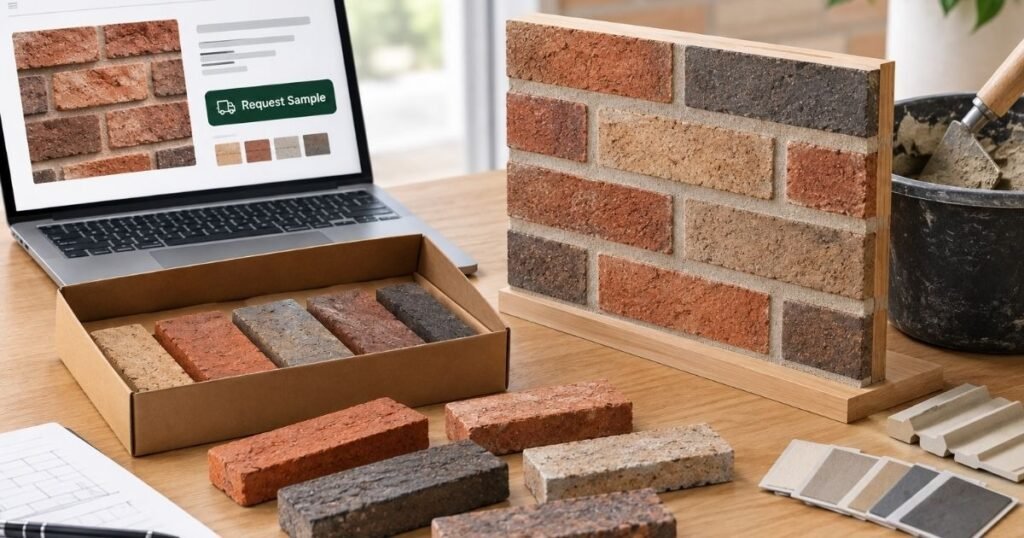
Samples are the surest way to avoid costly mistakes. Request loose samples first to narrow the shortlist, then build a sample panel on site using the intended mortar colour and joint profile. Mortar can change the overall look of a wall dramatically, so never judge a brick in isolation.
Across EBM product listings, the Request Sample option makes it simple to order bricks for comparison before placing a full order.
Plan for Lead Times and Batch Consistency
Specialist and handmade bricks are often made to order or produced in limited runs, so lead times can be longer than for standard stock. Check availability as soon as the brick is chosen and build the delivery date into the programme.
Order the full quantity in one go where possible. Bricks from different production batches can vary slightly in colour, and topping up later risks a visible line in the finished wall.
Check Compliance and Performance Data
Appearance is only part of the decision. Review the manufacturer’s declared performance data, including frost resistance, water absorption and compressive strength, against the exposure and structural needs of the design. Under the Building Safety Act 2022, dutyholders are responsible for confirming that the products they specify are suitable for their intended use, so keep records of the data and advice you rely on.
Work With a Specialist Supplier
The projects that run smoothly tend to treat the brick as an early design decision rather than a late procurement task. Naming a specific product in the planning submission, and getting a second option approved at the same time, gives you a fallback if the first choice is discontinued or its lead time stretches past the programme. It also pays to bring the bricklayer in at the sample panel stage. Joint finish, mortar mix and laying technique all change how a brick reads, and the person building the wall is often the first to spot a detail that won’t work on site.
Think about the building’s future as well. Ordering a small surplus from the same batch and leaving it with the client means future repairs or alterations can use a true match, long after the range has changed. Record product names, batch numbers and mortar specifications in the handover file too, so anyone working on the property later knows exactly what was used. If you need help sourcing a specialist brick, checking specials or arranging samples, the EBM Supplies team can talk through the options for your project.