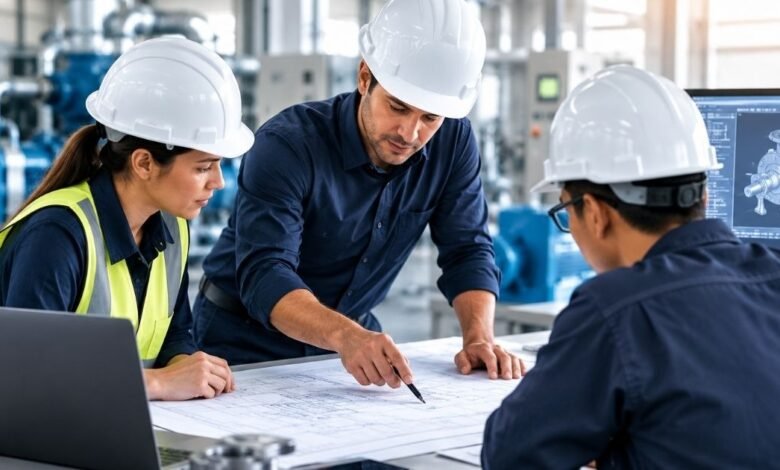
Every factory, warehouse and processing plant relies on machinery that has to perform day after day. When a conveyor stalls or a bespoke part no longer fits, production slows and costs climb. Many businesses only think about engineering support when something breaks.
Yet bringing in the right expertise early can shape how efficiently a site runs for years. So what can an experienced engineering partner actually do for your operation, from design and cutting through to installation and ongoing care?
From Concept to Working Equipment
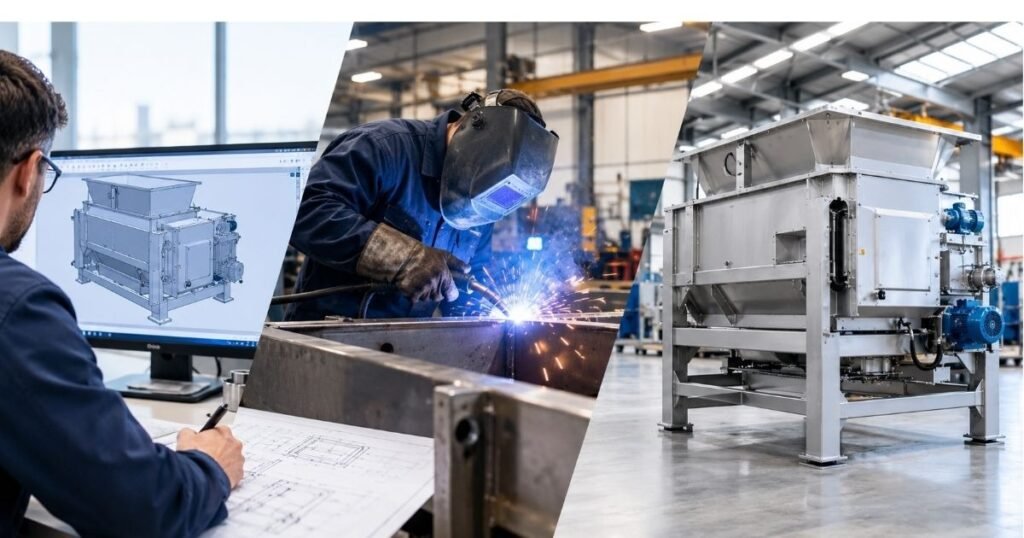
Good mechanical engineering services start with understanding the problem. An engineer visits your site, studies the process, and identifies where time, energy, or materials are being lost. From there, they can design a solution around your floor space, throughput and safety requirements.
That might be a new handling system, a modified production line or a single bespoke component that off-the-shelf suppliers cannot provide. Using CAD drawings, engineers can test fit and function before cutting any metal, reducing costly changes later.
For businesses running older equipment, this stage often reveals upgrades that extend the life of existing machines instead of replacing them outright.
Precision Parts Through Laser Profiling
Once a design is approved, accuracy becomes the priority. Laser profiling uses a focused beam to cut sheet and plate metal to exact shapes, producing clean edges with very little distortion. It handles mild steel, stainless steel and aluminium, and suits one-off prototypes and repeat batches alike.
For your business, this means components that fit the first time. Brackets, guards, base plates, and enclosures arrive ready for assembly, with less grinding or on-site rework.
Because the cutting programme is stored digitally, we can produce replacement parts to the same specification months or years later. That keeps spares consistent across your equipment.
Fabrication Manufacturing That Fits Your Site
Cut parts then move into fabrication manufacturing, where they are formed, welded and assembled into finished structures. This covers machine frames, platforms, walkways, hoppers, chutes and safety barriers.
Working with a fabricator who also understands mechanical design brings clear advantages. The team building your equipment knows how it needs to perform, so they consider load paths, maintenance access, and fixing points from the start. Finishes such as galvanising or powder coating can be specified for wet, corrosive, or food-grade environments.
Keeping design, cutting and fabrication with one supplier also shortens lead times. This means fewer handovers between companies, fewer chances for misread measurements, and a single point of contact if anything needs adjusting.
Installation, Maintenance and Less Downtime
New equipment only adds value once it is running safely. Engineering teams can install machinery, align drives and conveyors, and commission systems with minimal disruption, often working around shift patterns or planned shutdowns.
After installation, planned maintenance keeps everything performing. Regular inspections catch worn bearings, loose fixings, and misaligned belts before they cause a breakdown. When a fault does occur, an engineer who already knows your site can diagnose and repair it quickly.
Over time, this approach turns maintenance from an unexpected expense into a predictable budget line. It also helps you meet your health and safety duties for work equipment.
Industries That Benefit
Mechanical engineering services support a wide range of UK sectors, including:
- Food and drink production, where hygienic stainless steel equipment and reliable conveyors protect output.
- Bakery and confectionery, where mixers, ovens and handling lines run long shifts with little room for stoppages.
- Waste and recycling, where heavy-duty chutes, hoppers and screens face constant wear.
- Logistics and warehousing, where platforms, stairs and handling systems keep goods moving safely.
- General manufacturing, where bespoke tooling and machine guarding improve safety and speed.
What to Look for in an Engineering Partner
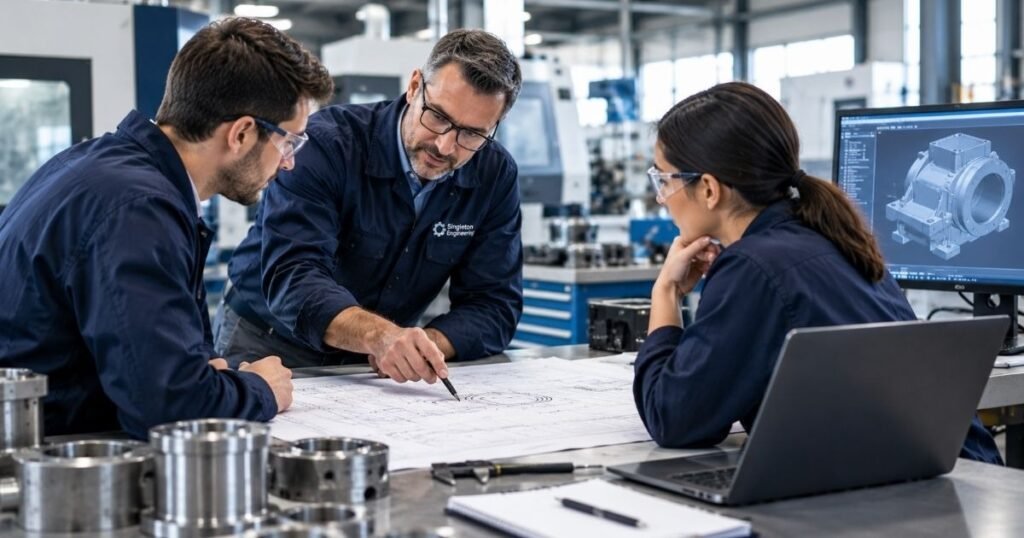
The right partner should offer joined-up support across design, cutting, fabrication and on-site work. Ask about their in-house equipment, the materials they handle and the sectors they have served. Request examples of similar projects and check how they manage drawings, approvals and quality checks.
Location matters too. A regional supplier can attend site quickly for surveys and breakdowns, which keeps downtime low. Singleton Engineering Solutions, based in Burnley, Lancashire, has provided this end-to-end support since 2015, covering mechanical, electrical, fabrication, and maintenance work under one roof.
Making Engineering Work for Your Business
The right engineering expertise pays off through equipment that fits your process, lasts longer and breaks down less often. Bring in a specialist early on your next project, and you will save time, money, and frustration down the line.
A good first step is to list the machines that cause regular stoppages, the parts that are hard to source and any processes that still rely on manual workarounds. Sharing that list with an engineering team gives them a clear brief and helps you get accurate quotes from day one.