Pique macho is a huge, spicy plate of beef, sausage and fries from Bolivia. Many people want to try it, but they do not know where to start. If you type “best pique macho near me” into Google, you will see many lists. Some of them are not helpful at all.
This guide is different. You will learn what pique macho really is, where it comes from and what goes on the plate. Then you will learn how to find a good place near you. We also share simple tips for ordering and a recipe idea for home. Let’s begin.
What Is Pique Macho?
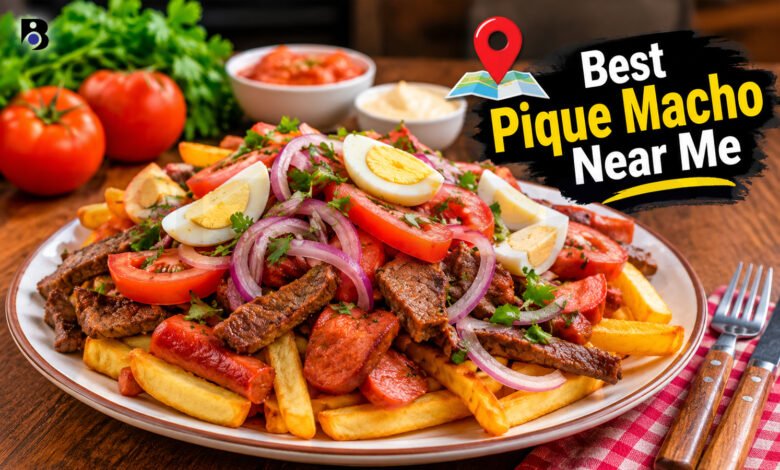
Pique macho (also called pique a lo macho) is a famous dish from Bolivia. It is a big plate of fries topped with chopped beef, sausage, onion, tomato, pepper and boiled egg. Cooks add spicy peppers, so the dish has a strong kick.
The plate is very big. Most people share it with friends or family. In Bolivia, eating it is a social event. You sit around the table, grab a fork and eat together.
Some people call it a “heart attack on a plate” as a joke. That is not fair, but it is true that the dish is heavy and rich. It is a meal for a very hungry day.
Where Does Pique Macho Come From?
The dish comes from Cochabamba, a city in the center of Bolivia. Wikipedia says it dates back to the mid-1970s. It credits a married couple, Honorato Quiñones Andia and his wife Evangelina Rojas Vargas, with the idea. They ran a restaurant in the city.
The story goes like this. A group of hungry workers came to the restaurant just as it was closing. The couple had only a few things left. They chopped the leftovers, added a lot of spice and served them. The workers loved it. Other guests heard about the dish and asked for it too. Soon it was on the main menu.
The dish later moved to other big Bolivian cities, such as La Paz and Santa Cruz. Today you can find it all over the country. People in Bolivia see it as a proud part of their food culture.
Why Is It Called “Pique Macho”?
In Bolivia, the word “pique” means something spicy. The word “macho” means strong or brave. Together, the name says: “Eat this if you are brave enough.”
There is a popular story that the owner dared the workers to finish the plate. Another story says the name shows how hot the dish was. A funny local idea says you are a real “macho” if you can finish a whole plate alone. Most people do not try this. They share.
What Is on a Real Pique Macho Plate?
Every cook makes the dish a little differently. But most plates have the same main parts. Knowing them helps you spot a good version.
The Main Parts
- Fries: Thick French fries or fried potatoes make the base. Some cooks use yuca (cassava) fries.
- Beef: Small pieces of beef, often marinated with garlic, cumin and soy sauce.
- Sausage: Many cooks add sliced sausage or chorizo. Some also use hot dogs.
- Vegetables: Onion, tomato and green pepper add color and fresh flavor.
- Locoto: This is a hot Bolivian pepper. It gives the dish its heat.
- Egg: Slices of boiled egg usually sit on top.
- Sauces: Ketchup, mayonnaise and mustard are very common.
The cook usually fries the meat and the vegetables together in a pan. Then the cook pours the hot mix over the fries. The fries soak up all the juices, and that is where the flavor comes from.
Pique vs. Pique Macho
A small plate is just called “pique.” The “macho” version is the big one. If you want to share with a group, ask for the macho size.
How to Find the Best Pique Macho Near You
Now for the main question. Pique macho is not on every menu. You may need to look a little. Here are simple steps that work.
Step 1: Search on Google Maps
Open Google Maps and type “pique macho near me.” Then try “Bolivian restaurant near me” and “Bolivian food near me.” Some places do not use the words “pique macho” on their page, but they still serve it.
Look at the photos and the menu. If you see a pile of fries with meat and egg on top, you are in the right place.
Step 2: Read the Reviews With Care
Reviews are a great tool. Search inside the reviews for the words “pique macho.” Real fans often write about the portion size, the taste of the meat and the heat level.
Be careful with very short reviews that only say “great food.” Look for details instead. A good review says what the writer ate and what they liked.
Step 3: Look for Bolivian and South American Restaurants
Authentic Bolivian restaurants are the best choice. They know the dish well. Other South American restaurants may also serve it. In cities with many Bolivian families, you will find more choice. The dish is popular in places like Los Angeles, Washington D.C. and Miami, for example, because many Bolivians live there.
Step 4: Check Social Media
Many small restaurants post daily on Instagram and Facebook. Search for the hashtag #piquemacho or #bolivianfood with the name of your city. You can see real photos and sometimes even prices.
Step 5: Ask People
Ask a friend, a coworker or a local Facebook group. People who come from Bolivia often know the best hidden places. A short message like “Where can I eat good pique macho?” can save you a lot of time.
Step 6: Call Before You Go
Some places only serve pique macho on certain days. Others make it only for groups. A quick phone call helps you avoid a wasted trip.
What Makes a Pique Macho “Good”?
Not every plate is equal. Here is a short checklist you can use at the table.
- The fries are not soggy. The fries should soak up flavor, but they should still have some bite.
- The beef is tender. Dry meat is a bad sign.
- There is a good balance. You should see enough meat, not just a mountain of fries.
- The heat is clear but fair. The locoto should add a kick. It should not destroy your mouth.
- The vegetables look fresh. Bright tomato and onion show care.
- The portion is big. This dish should feel generous.
- Hot sauce comes on the side. Many places serve a spicy sauce called llajua, so you can add heat yourself.
If a restaurant tick most of these boxes, you have found a good one.
Tips for Ordering
Here are some easy tips to enjoy your meal more.
- Share the plate. A large portion often feeds two to four people.
- Ask about the spice level. Some places make it very hot. Others make it mild, especially outside Bolivia. Tell the staff what you like.
- Order a cold drink. Lemonade, juice, soda or a cold beer all go well with the heat and the rich food.
- Add a side salad. A fresh salad can balance the heavy meal.
- Come hungry. This is not a light lunch.
- Try the sauces. Add a little at a time until it tastes right.
Different Styles You May See
Cooks all over the world change the recipe a little. Here are some versions you may find.
Regional Styles in Bolivia
In La Paz, the dish may come with llajua sauce, local cheese and chorizo. Each city adds its own small twist, but the idea stays the same: a big, shared plate of meat and fries.
Versions Outside Bolivia
Bolivian families who live in other countries often adapt the dish. They may use chicken instead of beef. They may also use mild bell pepper instead of locoto, because locoto is hard to find in many shops.
Vegetarian Pique Macho
Some restaurants now offer a meat-free plate. Cooks use mushrooms, tofu or seitan in place of beef and sausage. If you do not eat meat, ask if this option is on the menu.
Can You Make Pique Macho at Home?
Yes, you can. If you cannot find a good plate near you, cooking it yourself is a fun choice. Here is a simple idea.
What You Need
- Beef, cut into small pieces
- Sausage, sliced
- Potatoes for fries
- One onion, one tomato and one green pepper
- Garlic, cumin and a little soy sauce
- Hot pepper or hot sauce
- Boiled eggs
- Ketchup, mayonnaise and mustard
How to Make It
- Marinate the beef with garlic, cumin and soy sauce for at least 30 minutes.
- Fry the potatoes until golden, then put them on a large plate.
- Cook the beef in a hot pan until it turns brown.
- Add the sausage, onion, pepper and tomato. Cook until soft.
- Add your hot pepper to taste.
- Pour the hot mix over the fries.
- Top with sliced egg and serve with sauces.
Bolivian locoto peppers are hard to find in many places. A fresh chili or a good hot sauce is a fine substitute for a first try.
Common Mistakes to Avoid
- Choosing by price only. The cheapest plate is not always the best one.
- Trusting only star ratings. Read the details inside the reviews.
- Going to a place without checking the menu. Make sure pique macho is really on it.
- Expecting the same taste everywhere. Each cook has a personal style.
Conclusion
Pique macho is more than a plate of fries and meat. It is a story of hungry workers, a smart couple and a dish that grew into a symbol of Bolivian food. When you search for the best pique macho near you, use Google Maps, read the reviews with care and look for real Bolivian restaurants. Check the fries, the meat and the heat, and share the plate with people you like.
If you cannot find a good one close to home, try cooking it yourself. Either way, bring a good appetite. Enjoy your meal.
Frequently Asked Questions
What does pique macho taste like?
Pique macho tastes rich, salty and spicy. The beef and sausage give a deep, savory flavor. The fries soak up the juices. The locoto pepper adds heat, and the sauces add a creamy and tangy touch.
Is pique macho very spicy?
It can be, but it depends on the cook. In Bolivia, many plates have a strong kick from the locoto pepper. Outside Bolivia, many restaurants make it milder. You can ask the staff for less heat or serve the hot sauce on the side.
Can I find pique macho in restaurants outside Bolivia?
Yes. Bolivian families have opened restaurants in many countries, and they often serve pique macho. The dish is popular in cities with large Bolivian communities. Use Google Maps and search for “Bolivian restaurant near me” to find the closest place.