You open your phone, type “papa a la huancaína near me,” and get a long list of restaurants. Some look great. Some look like they just heard of Peru last week. How do you pick the right one?
Papa a la huancaína looks simple. It is just potatoes with a yellow sauce. But a small mistake in the sauce, the potato, or the temperature can turn a lovely dish into a boring one. The good news is that you can learn to spot a good plate before you even sit down.
In this guide, you will learn what the dish is, where it comes from, and what it should taste like. Then we will go through seven easy tips to help you find the best papa a la huancaína in your area. We will also look at what to order with it and how to handle allergies or diet needs.
What Is Papa a la Huancaína?
Papa a la huancaína is a cold Peruvian starter. It is made with boiled yellow potatoes covered with a creamy, slightly spicy cheese sauce. According to Wikipedia, the sauce is usually made with queso fresco, vegetable oil, ají amarillo, evaporated milk, and salt.
Let’s look at each part.
Papa means potato. In Peru, cooks often use papa amarilla, a yellow potato with a smooth, slightly buttery taste. Outside Peru, many restaurants use Yukon Gold or a similar yellow potato instead.
Ají amarillo is a yellow chili pepper from Peru. It gives the sauce its bright color and its fruity heat. It is not very hot, so most people can enjoy it. Rough Guides describes the dish as cold potatoes in a mildly spicy cheese sauce.
Queso fresco is a soft, fresh white cheese. It makes the sauce rich and a little salty.
Evaporated milk and crackers help make the sauce thick and smooth. Many recipes use plain soda crackers to thicken it. Peru Delights says the sauce should be about as thick as custard.
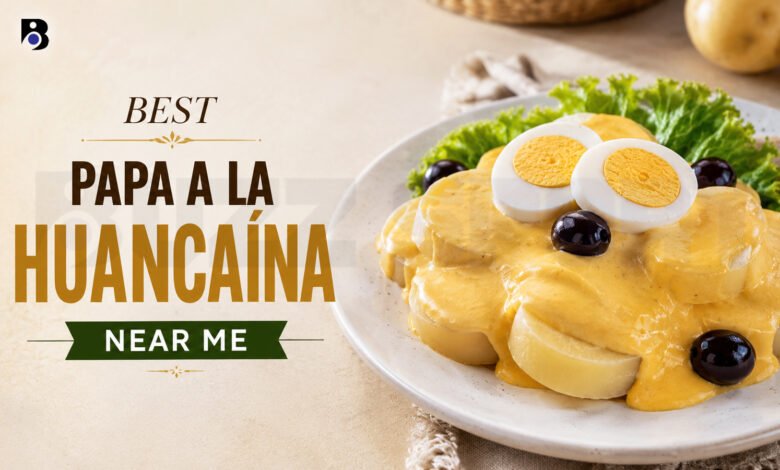
A classic plate also comes with a few extras. You will usually see lettuce, slices of boiled egg, and black olives. Some chefs add a little parsley on top.
A Short Look at Its Story
The name “a la huancaína” means “in the style of a woman from Huancayo.” Huancayo is a city in the Andes mountains of Peru. So you might think the dish was born there.
The truth is less clear. Wikipedia says the origin of the dish is debated. One famous story says women from Huancayo made it for workers who were building the railway from Lima to Huancayo. Taste Cooking tells this story too.
Another idea says the dish took its final shape in Lima, the capital. A Peruvian food historian named Rosario Olivas Weston, quoted on Scoolinary, says the name shows a mountain influence, but it does not prove the dish began in Huancayo. Eat Peru adds that the first version may have used a different pepper called rocoto, which is more common in the Andes.
We may never know the full story. What we do know is that today the dish is loved all over Peru, and in Peruvian restaurants around the world. Lima Easy says it hardly gets more Peruvian on the table than a plate of papas a la huancaína.
Seven Tips to Find the Best Papa a la Huancaína Near You
Now for the useful part. Here is how to find a plate you will enjoy.
Start With a Peruvian Restaurant
The easiest way to find good papa a la huancaína is to look for a real Peruvian restaurant. Designbeep points out that the dish shows up on almost every traditional Peruvian menu as a starter. So a Peruvian kitchen is the best place to begin.
Other Latin American restaurants may serve it too. Some do it well. But a place that focuses on Peruvian food usually knows how to make the sauce the right way, with the right pepper.
If you cannot find a Peruvian restaurant, do not give up. Check the menus of nearby Latin American places. A small family cafe can surprise you.
Search Smart on Maps and Review Sites
Typing the dish name alone may not give the best results. Try a different way. Open Google Maps and search for “Peruvian restaurant.” Then check the menu and photos of each place.
Designbeep also suggests using Yelp. Choose the Peruvian food filter and add the dish name in the keyword box. This way, you only see places that serve Peruvian food and mention the dish.
Delivery apps can help too. Search for “papa a la huancaína” and sort the results by rating. Just remember that the dish is best when it is fresh and cold, so a short delivery time matters.
Read Recent Reviews With Care
Reviews are useful, but you need to read them the right way. Do not just look at the star score. Search inside the reviews for the words “huancaína,” “papa,” or “starter.”
Look for people who say things like “the sauce was creamy” or “the potatoes were soft.” Be careful if many people say the sauce tasted flat, watery, or too sweet. Also pay attention to the date. A review from last month tells you more than one from five years ago.
Check the Food Photos
Photos can tell you a lot. A good plate has a smooth yellow or orange-yellow sauce poured over thick slices of potato. You should see a nice sauce that looks creamy, not runny.
Look at the little details too. Is there a slice of egg? Are there olives? Is there a fresh leaf of lettuce under the potatoes? These small parts show that the cook cares about the traditional plate.
A pale white sauce is a warning sign. It may mean the cook used too little pepper. A sauce that looks pink or brown is a warning sign as well.
Know What the Sauce Should Taste Like
When your plate arrives, take a small bite of sauce first. A good huancaína sauce should be creamy and smooth. It should taste of cheese, with a gentle heat from the pepper and a fruity note at the end.
It should not feel watery. It should not feel gritty. And it should not burn your mouth. Remember, the pepper in this dish is mild. If the sauce is extremely hot, it is probably not the traditional style.
Some home cooks and small restaurants make the sauce by hand, which can leave a slightly rough texture. Peru Delights says this is fine, because the sauce is charming either way, creamy or a little lumpy. The key is that the flavor is balanced.
Make Sure It Is Served Cold
This tip surprises many people. Papa a la huancaína is not a hot dish. Designbeep says it is served cold or at room temperature. If it comes out warm, something may be wrong.
The dish is made ahead of time, chilled, and then put on the plate. A cold plate also helps the flavors stand out. So if your plate is steaming, you can politely ask the server whether that is how the kitchen usually makes it.
There is also a safety reason. The sauce has dairy, and the plate often has boiled egg. These foods should be kept cold until you eat them.
Ask Two or Three Easy Questions
Servers are usually happy to talk about their food. You do not need to be an expert. Here are a few easy questions:
- Do you make the sauce in the kitchen each day?
- Which potatoes do you use?
- Is the sauce very spicy?
If the answer is “yes, we make it fresh,” that is a good sign. A kitchen that uses a ready-made mix is not always bad, but a fresh sauce usually tastes better.
What to Order With Papa a la Huancaína
Because it is a starter, papa a la huancaína goes well before a bigger dish. Designbeep says it works like the opening course of a Peruvian meal, before dishes such as ceviche, lomo saltado, or ají de gallina.
Here are some easy pairings:
- Ceviche: Fresh fish cured in lime juice. It is light and sour, so it feels bright after the creamy potatoes.
- Lomo saltado: Strips of beef stir fried with onions and tomatoes, often served with rice and fries. Explore Worldwide notes it shows the Chinese influence in Peruvian cooking.
- Causa: A cold layered potato dish with a filling such as chicken or tuna. National Geographic describes it as a sort of casserole that is sliced and served cold.
- Ají de gallina: A creamy chicken stew. If you like the sauce on the potatoes, you will likely enjoy this one too.
For drinks, try chicha morada, a sweet purple corn drink. Inca Kola is another popular choice in Peru. Designbeep says most dedicated Peruvian restaurants carry both.
Allergy and Diet Notes
Before you order, check the ingredients if you have a food allergy or follow a special diet.
The sauce has cheese and milk, so it contains dairy. Many plates also include boiled egg. Soda crackers are often used to thicken the sauce, so wheat may be present too. The site Table Journey lists dairy and gluten as common allergens in this dish.
Is it vegetarian? Often, yes. National Geographic calls it a vegetarian choice, and Eat Peru says vegetarians can enjoy it with small changes. But it is not vegan, because of the cheese, milk, and egg. If you avoid meat, ask whether the kitchen adds any meat stock or other animal products to the sauce.
If you have a serious allergy, always talk to your server. Do not guess.
No Peruvian Restaurant Nearby? Try Making It at Home
Sometimes the best option is your own kitchen. The dish is one of the easier Peruvian recipes to make. Designbeep says the sauce comes together in a blender in under five minutes once you have the ingredients.
Here is the basic idea, based on recipes from Peru Delights and PBS:
- Boil yellow potatoes until they are soft, then let them cool and slice them.
- Blend ají amarillo paste, queso fresco, evaporated milk, oil, and a few soda crackers until smooth.
- Add salt to taste, and add a little more milk if the sauce is too thick.
- Put lettuce on a plate, add the potatoes, and pour the sauce on top.
- Finish with slices of boiled egg and a few black olives.
You can often find ají amarillo paste at Latin American grocery stores or online. If you cannot find queso fresco, some recipes say that feta cheese works in a pinch, but it will taste a little more sharp.
Final Thoughts
Finding the best papa a la huancaína near you does not have to be hard. Start with a Peruvian restaurant. Use Maps and review sites in a smart way. Read recent reviews, look at the photos, and notice the sauce color. Remember that the plate should be cold, and do not be shy about asking the server a few simple questions.
Once you know what a good plate looks like, you will spot it quickly. And if you cannot find one close by, a blender and a few ingredients can bring Peru to your kitchen.
Next time you are hungry for something creamy and comforting, you will know exactly what to look for.
Frequently Asked Questions
Is papa a la huancaína very spicy?
No, not usually. The sauce is made with ají amarillo, which gives a fruity warmth and a mild kick. Rough Guides calls it a mildly spicy cheese sauce. If a plate is extremely hot, it is probably not the traditional style. If you are worried, ask your server how spicy the sauce is.
Should papa a la huancaína be served hot or cold?
It is served cold or at room temperature. The potatoes are boiled and cooled, and the sauce is kept chilled. If your plate arrives warm, it is fine to ask the kitchen about it.
What does a good papa a la huancaína look like?
Look for thick slices of yellow potato covered with a smooth sauce that is deep yellow to orange-yellow. The sauce should look creamy, not watery. A classic plate also has lettuce, slices of boiled egg, and black olives.