
Implementation of any system always begins with an honest assessment of the way things work on the shop floor at present. Look into the whole process of manufacturing the product from the point when the customer order is received to the point when the finished goods are dispatched. Observe the places where there are defects, where rework is done, where customer complaints are made, and where information is lost in transit between departments.
As it often happens, it appears that small companies have many good practices already, but they are not documented. Now, when the current situation is known, it is time to set the quality targets. A goal like decreasing the number of returned products by thirty percent within one year, or increasing on-time delivery to ninety-five percent, is something that everybody can focus on. The goals should be linked to customer requirements and business needs. This way quality will be viewed as a profit generator rather than a cost center.
How to Gain Leadership Support and Plan for the QMS?
The success of a quality management system depends on the leader’s approach. When the leader views it as just paperwork for the auditor, the workers are likely to treat it as such. However, if the leader shows that he/she was involved in it, if there is enough time and budget provided, and if he or she analyzes the result continuously, then everything goes as planned. First of all, it is necessary to appoint an individual who will organize all the processes and who will have enough influence to coordinate people in the company despite the rest of his/her work.
Secondly, it is needed to choose ISO 9001 (or another) standard/framework for developing the QMS. This standard is considered to be a recognized one. Besides, many customers (especially large customers and exporters’ buyers) request it. It is important to determine the scope of the QMS (products/services, locations where the process will be analyzed, etc.). Develop the project plan with tasks to do during 6-12 months.
How to Map Processes and Develop your QMS?
As soon as you have developed your plan, it is now time to document how your company functions as QMS. The documentation should be as brief as possible. Start off by developing a concise quality policy that should contain your company’s commitment to meet the needs of its clients and continuous improvement. Document the key processes including sales and order evaluation, purchasing, production planning, production process, testing, warehousing, delivery, and client feedback and how one process leads to the next process.
Create a simple procedure or instruction for each critical process which explains the actions, sequence of events, and evidence. Flow charts and photos can speak louder than words in some cases, especially on the crowded production floor. It is not wise to blindly copy some of the procedure templates available on the Internet. Having a QMS which consists of procedures which are never followed creates much more danger than not having any at all.
How to Train Your Employees and Create a Quality Culture?
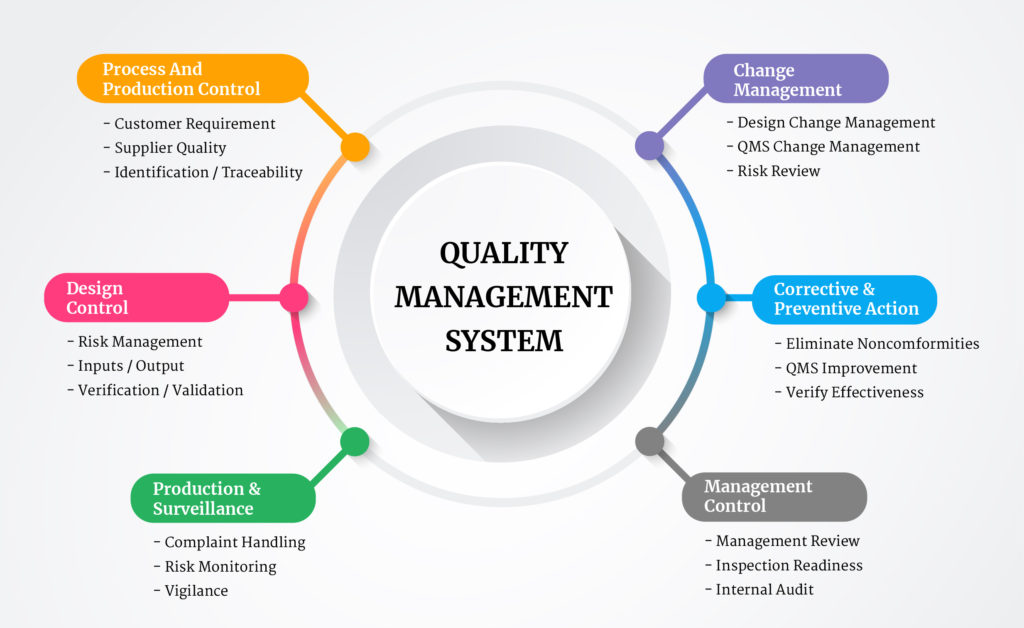
All procedures make sense only if they are performed by people. Your first step in developing a training program is to make a general introduction of the entire process to all workers. Such an introduction should provide clarity regarding the reasons why your organization needs such a system; it should explain what the new system means in terms of quality policy and the role of each position in the final product. Then proceed to train each employee individually so that every operator, inspector, storekeeper, and supervisor will know his/her procedure.
Encourage your workers to participate in the improvement of procedures wherever it is possible. Operators have a better understanding of the problems and if they are engaged in solving them, they will have more motivation to perform the procedure properly. Record the information on your training as the auditor will definitely ask about it. Also, try to spread the quality message not only through training but also in short team meetings, quality control charts in the shop and awards for early detection of problems. Finally, you will create the quality culture.
How to Control Suppliers, Raw Material, and Manufacturing Process?
The reliability of a small business depends on the materials supplied to it. Develop an evaluation process for the suppliers based on cost, delivery time, and the quality of the material being supplied by the suppliers. Make a list of the suppliers who should always be evaluated, and those who do not meet the requirements should be replaced. Requirements that the purchase order should meet should be clearly outlined.
Within the manufacturing plant, develop controls whereby the quality should be evaluated within the manufacturing process. It includes identification of the inspection points, inspection of raw materials, process inspection, and final inspection prior to shipping. All measurement tools should be clearly identified and calibrated periodically. Where there is a need for product traceability in the business type, a label or traveler or batch number should accompany the material throughout the process. Non-conforming items should be isolated and tagged to ensure that they are never shipped.
How to Monitor Performance and Dealing with Nonconformities?
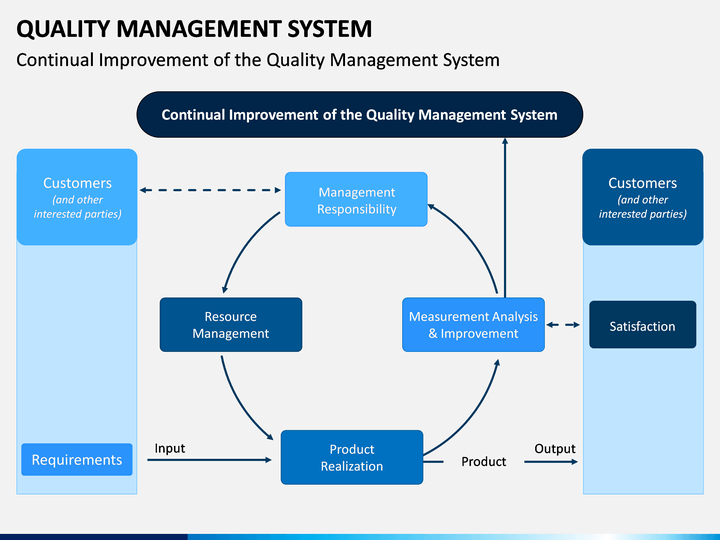
Once the process is set up, there will be a demand for the taking of measurements. Measure those that relate to your quality objectives like the defect rate, costs of scrap, cost of reworking, percentage of rejection of suppliers, delivery, and customer complaints. It is necessary to review the statistics on a monthly basis in a way that allows you to read the results, like in a chart in the notice board.
Where there is nonconformance, there should be more done beyond simply fixing things that are not right. Document all nonconformities, identify their underlying causes through simple techniques such as the five whys and a basic cause-and-effect diagram, and initiate corrective action that ensures that the nonconformity will not happen again. And verify the effectiveness of the corrective action. Customer comments are just as important whether they come through in the guise of a formal complaint or casually from customers in conversation. Corrective measures offer the quickest financial gain for small companies because deviations cost money and represent one of the most expensive aspects of manufacturing.
How to Perform Internal Audits and Management Reviews?
Prior to the external audit, it is necessary for the company to test its own system. Internal audits examine whether documented procedures are being followed and how effective they are. As for the selection of auditors, it is necessary to use only experienced auditors and, preferably, independent ones from the audited sector to avoid cases when people audit their own work. In case it is not possible in a small company, the internal audit may include cross-audit between departments and consulting services.
The results of the audit must be registered, distributed among responsible employees and closed based on evidence. After auditing, senior management must hold a formal review of audit results, customer feedback, process performance, status of corrective actions, and adequacy of resources. As a result of the meeting, decisions about improvements, new targets, and system revisions must be made. If the management review is paid due respect, it will be the driving wheel of the whole system, ensuring that quality aligns with the company strategy.
Conclusion
Certification is not the end point of the QMS implementation process. Surveillance audits are performed, continuous improvement is the key to success. Review the established objectives, collect and analyze performance data and revise procedures according to changes in process flow or equipment, customer needs and so on. Ask employees to suggest improvements and motivate such improvements that are likely to result in saving time and money and pleasing the customer. Companies using their management system as a tool and not just a certificate get higher customer confidence, reduce expenses and create an image of reliability which makes them competitive against huge enterprises.