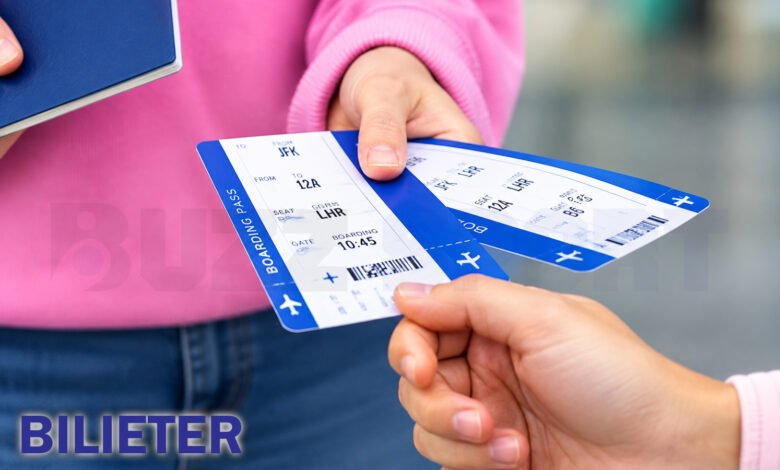
Have you seen the word “bilieter” online and wondered what it means? You are not alone. Many people search for this word every month, but they often find confusing or mixed answers. Some pages connect it to tickets. Others link it to old army terms. In this article, we will explain the real meaning of bilieter in simple words. By the end, you will know where the word comes from, how people use it, and why it is still useful today.
The Basic Meaning of Bilieter
In simple terms, a bilieter is a person who checks or collects tickets. Picture someone standing at the door of a cinema or theater. This person looks at your ticket and then shows you to your seat. That job is the basic meaning of a bilieter.
The word is closely tied to “billet,” an old term for a note, pass, or ticket. The word entered Polish from French “billet,” which itself came from Old French “billette,” a word based on Latin “bulla.” Over time, many European languages formed their own version of this word.
In Polish, the standard word is “bileter.” In Polish to English dictionaries, “bileter” translates simply as “usher.” Other Polish and English dictionaries list “bileter” as the word used for an usher at a theater or cinema, and it can also mean a court usher or a doorman in some settings.
So when you see “bilieter” today, the core idea stays the same. It means a person who deals with tickets, passes, or entry into a place.
Where Did the Word Come From?
To understand bilieter fully, we need to look back in history. Long ago, European armies used a system called billeting. Soldiers received written notes, called billets, that let them stay in private homes during wartime or while traveling. The person in charge of handing out these notes and finding places for soldiers to stay was sometimes called a billeter.
Later, the word grew wider in meaning. As theaters, opera houses, and cinemas became popular in Europe, they needed workers to check tickets and guide guests to their seats. People began to use “bileter” (and similar spellings in other languages) for this new job as well.
Language records show the Polish word for ticket, “bilet,” was first written down in the 1700s, coming from the French word for a note or short written message. As cinema and live entertainment spread across Europe in the 1800s and 1900s, the related job title “bileter” became common in everyday language, especially in Poland and nearby countries.
In English, an older spelling of this word, “billeter,” has a long history too. It was originally used for someone who managed lodging assignments, mostly for soldiers. Over the centuries, English speakers used the word less often, while other languages like Polish kept a similar word alive and gave it a new job: ticket checking at public events.
Bilieter in Different Languages
The word for “ticket” changes slightly across Europe, but many versions share the same root. For example:
- Polish: bilet (ticket), bileter (ticket collector or usher)
- French: billet (ticket or note)
- Russian: билет, bilet (ticket)
- German: Billett (an older word for ticket)
- Romanian: bilet (ticket)
- Norwegian: billett (ticket)
Many of these words trace back to French “billet,” a term that also gave rise to the Russian word for ticket, borrowed either through Polish or German many years ago. This shows how one small word traveled across Europe and changed slightly in each country, while keeping a similar sound and meaning.
Because of this shared history, when someone spells the word as “bilieter,” it is likely a variation or a simple misspelling of “bileter.” Both point to the same basic idea: someone connected to tickets and entry to events.
What Does a Bilieter Do Today?
If we look at the modern meaning, a bilieter (or usher, as it is called in English) has a few common duties. These duties may change slightly depending on the venue, but the core job stays similar.
Checking tickets
The main task is to check that each guest has a valid ticket before they enter. This helps venues control who comes in and keeps events safe and organized.
Guiding guests to their seats
Many bileters help people find the right row and seat number. This is common in theaters, cinemas, concert halls, and even churches or courtrooms.
Answering simple questions
Guests often ask about restrooms, exits, or seating. A bileter usually knows the venue well and can give quick, helpful answers.
Keeping order during the event
If someone is in the wrong seat or causing trouble, the bileter often helps solve the problem calmly and quietly.
Helping during emergencies
In some venues, ushers or bileters also know the safety exits and can guide people out quickly if there is an emergency.
This job may look simple, but it takes patience, good people skills, and attention to detail. A friendly and calm bileter can make a big difference in how guests enjoy an event.
Bilieter vs Billeter: Is There a Difference?
Many people get confused between “bilieter,” “bileter,” and “billeter.” Here is a quick and simple breakdown:
- Bileter is the standard spelling used in Polish, where it means usher or ticket collector.
- Bilieter is most likely a common misspelling of “bileter,” often used by people typing quickly or translating from another language.
- Billeter is an older English word with a different original meaning. It once described someone who arranged housing notes, mostly for soldiers, long before cinemas and theaters existed.
While these words share a common root, in normal daily use today, “bileter” (or its misspelled version, “bilieter”) is the term connected to tickets and events. “Billeter” is mostly found in older texts, dictionaries, and history books.
Why Does This Word Still Matter?
You might wonder why a small word like bilieter is worth learning about. Here are a few simple reasons.
It shows how languages connect
Learning where a word comes from helps you understand how languages borrow and share ideas. The path from Latin, to French, to Polish, and other languages shows how much European cultures have influenced each other over time.
It helps with translation work
If you are learning Polish, or working as a translator, knowing that “bileter” means “usher” in English can save you time and confusion.
It is useful for travel and event jobs
If you plan to work in tourism, cinemas, theaters, or event management in Poland or nearby countries, this word may come up often. Knowing its meaning helps you understand job listings, training materials, or workplace instructions.
It satisfies simple curiosity
Sometimes, people just want to know the meaning of a word they came across. Understanding bilieter gives a small but interesting look into language history and how everyday words carry old stories inside them.
Skills a Bilieter Usually Needs
If you are thinking about this type of job, here are common skills that help:
- Friendly attitude: Guests feel more comfortable with a warm, polite greeting.
- Good memory: Remembering seat numbers, rows, and venue layout is important.
- Patience: Some guests may be confused, in a hurry, or upset. Staying calm helps a lot.
- Basic problem solving: Simple issues, like a wrong seat or a lost ticket, come up often.
- Physical stamina: The job often means standing or walking for long periods during a show or event.
These skills do not require special education, which is why many students and part time workers choose this kind of job.
Final Thoughts
The word bilieter, most likely a variation of the Polish word “bileter,” refers to a person who checks tickets and guides guests at events like movies, plays, and concerts. Its roots go back centuries, connected to the French word “billet” and the older English word “billeter,” which once described someone who managed housing notes for soldiers.
Today, the word lives on mainly through its Polish form, staying close to the world of tickets, theaters, and cinemas. Even though it might look like a strange or rare word at first, its meaning is simple and clear once you understand its history.
Next time you see the word bilieter, you will know exactly what it means and where it came from.
Frequently Asked Questions
Is “bilieter” a real English word?
Not exactly. “Bilieter” is usually a misspelling of the Polish word “bileter,” which means usher or ticket collector. The closer English word with a long history is “billeter,” an older term used for someone who managed lodging notes for soldiers.
What is the difference between a bileter and an usher?
There is no real difference in meaning. “Bileter” is simply the Polish word for what English speakers call an “usher,” someone who checks tickets and helps guests find their seats.
Do you need special training to become a bileter or usher?
No formal training is usually required. Most venues give short, on the job training. What helps most is a friendly attitude, patience, and the ability to stay calm while helping guests.