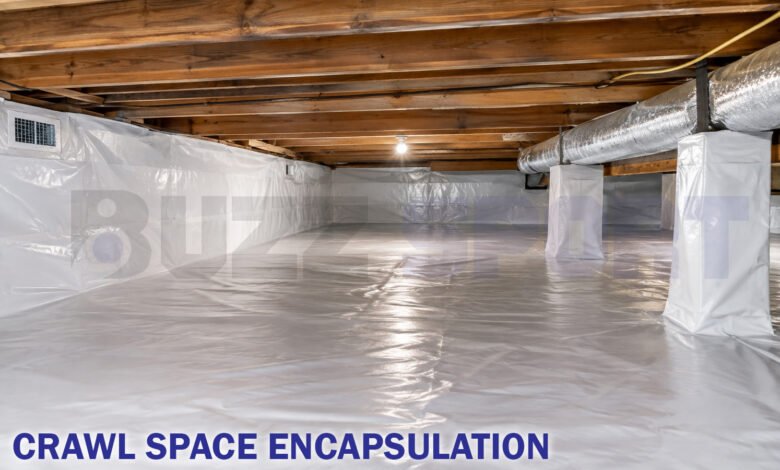
If you own a home with a crawl space, you may have heard the word “encapsulation” before. Maybe a contractor mentioned it, or you saw it online while searching for ways to fix a musty smell in your house. This guide will explain what crawl space encapsulation is, why it matters, and how it can help keep your home dry, healthy, and strong for many years.
We will use simple words in this article so it is easy for anyone to read and understand, no matter your background.
What Is a Crawl Space?
A crawl space is a short area under a house, usually between one and three feet tall. It sits between the ground and the first floor of the home. Builders use crawl spaces instead of a full basement or a solid foundation slab, mainly in areas where the ground holds a lot of moisture. Homes in wet regions, like Florida or the Pacific Northwest, often use crawl spaces because they lift the house above the wet ground and give some protection from water damage.
The problem is that many crawl spaces are left open, with a plain dirt floor and vents that let outside air in. This setup can create serious problems over time.
What Is Crawl Space Encapsulation?
Crawl space encapsulation is the process of fully sealing the crawl space from outside air, moisture, and pests. Instead of leaving the space open with bare dirt and vents, workers cover the floor and walls with a thick, strong plastic sheet called a vapor barrier. This barrier is usually made of polyethylene and can be 10 to 20 mil thick, which means it is much stronger than a normal plastic sheet you might use at home.
During encapsulation, the crawl space vents are also sealed shut. In older homes, building codes required vents so air could move through the crawl space. But newer research shows that this open-air setup often makes moisture problems worse, not better, especially in humid climates. Once the vents are sealed and the floor and walls are covered, a dehumidifier is often added to keep the air inside dry and controlled.
In short, encapsulation turns a damp, open crawl space into a clean, sealed, and dry area.
Why Do Crawl Spaces Get Wet?
Moisture can enter a crawl space in several ways:
- Ground moisture: Bare soil naturally releases water vapor into the air above it.
- Outdoor humidity: Open vents let humid outside air flow into the crawl space, especially in summer.
- Plumbing leaks: Pipes running through the crawl space can leak over time.
- Poor drainage: Rainwater around the house foundation can seep into the crawl space if the ground is not graded correctly.
- Flooding: Heavy storms can cause water to collect in low crawl space areas.
Once moisture builds up, it does not just sit there quietly. It creates a chain of problems that can affect your whole home.
Why Moisture in a Crawl Space Is a Problem
A wet crawl space is more than just an unpleasant smell. Here is what can happen if the moisture is not controlled:
Mold growth. Damp, dark spaces are perfect for mold. Mold spores can travel up through small gaps in your floor and spread into your living space, causing musty odors and possible health issues.
Poor air quality. About 40 percent of the air in your home can come from the crawl space below it, due to something called the “stack effect,” where air rises through the house. If that air is full of moisture, mold spores, or dust, it affects the air you breathe every day.
Wood rot. Moisture on wooden floor joists and beams can cause them to soften and rot over time. This can weaken the structure of your home and lead to expensive repairs.
Pest problems. Damp crawl spaces attract insects and rodents looking for water and shelter.
Higher energy bills. When the air in your crawl space is humid, your heating and cooling system has to work harder. This raises your energy costs and puts extra strain on your HVAC system.
Frozen pipes in winter. In cold months, an open crawl space can let cold air reach pipes, increasing the risk of freezing and bursting.
Signs You May Need Crawl Space Encapsulation
You might not check your crawl space often, but here are some warning signs that point to a moisture problem:
- A musty or damp smell in your home
- Visible mold or mildew on wood or insulation
- Sagging or soft floors above the crawl space
- High humidity inside your home, even with air conditioning running
- Increased allergy symptoms among family members
- Insects or rodents seen near the crawl space
- Rusty metal parts, like pipes or ductwork, in the crawl space
If you notice any of these signs, it is a good idea to have your crawl space checked by a professional.
Crawl Space Encapsulation vs. a Simple Vapor Barrier
Some homeowners choose to install just a vapor barrier instead of full encapsulation. It is helpful to know the difference between the two.
A vapor barrier is a plastic sheet placed only on the floor of the crawl space. It blocks ground moisture from rising into the air, and it costs less than full encapsulation. However, it does not cover the walls or seal the vents, so outside humid air can still enter the space.
Full encapsulation covers the floor and the walls, seals the vents, and often includes a dehumidifier. This gives much stronger protection against moisture, mold, and pests, but it costs more money and takes more work to install.
If your area has high humidity for most of the year, or if you already have a mold problem, full encapsulation is usually the safer long-term choice. A simple vapor barrier may be enough if your main concern is just ground moisture in a drier climate.
How Crawl Space Encapsulation Works: Step by Step
While every home is different, most professional encapsulation jobs follow these general steps:
- Inspection. A specialist checks the crawl space for existing moisture, mold, pests, and structural damage. This step usually costs between $100 and $250.
- Clean out. Old insulation, debris, and trash are removed from the crawl space. This step can be the hardest part, especially in older homes.
- Repairs. Any mold is treated, and any damaged wood or structural issues are fixed before moving forward.
- Drainage system. If the crawl space collects standing water, workers may install a drainage system and a sump pump to remove water safely.
- Vapor barrier installation. Thick plastic sheets are laid across the floor and walls. The seams are taped and sealed tightly so no moisture can get through.
- Sealing gaps. Any openings around pipes, wires, or vents are sealed with foam or tape to stop air leaks.
- Insulation. Rigid foam insulation may be added to the walls to help control temperature.
- Dehumidifier installation. A dehumidifier is placed inside the space to keep humidity levels low, usually under 60 percent.
For a typical 1,000 square foot crawl space, this process can take a professional team a few days to complete, depending on the condition of the space.
Benefits of Crawl Space Encapsulation
Encapsulating your crawl space offers several long-term benefits for your home and your health:
- Better indoor air quality, since less mold, dust, and moisture rise into your living space
- Lower energy bills, because your HVAC system does not have to fight constant humidity
- Fewer pests, since sealed spaces are harder for insects and rodents to enter
- Stronger home structure, because wood stays dry and does not rot
- Less risk of frozen pipes in cold weather
- Possible increase in home value, since buyers often see encapsulation as a helpful upgrade
- Extra storage space, since a clean, dry crawl space can safely hold some stored items
How Much Does Crawl Space Encapsulation Cost?
Cost is one of the biggest questions homeowners ask. The price depends on the size of your crawl space, its condition, and how much extra work is needed, such as mold removal or drainage repairs.
Based on current industry data, most homeowners can expect to pay:
- $1,500 to $15,000 for most projects, with an average around $5,500
- $3 to $7 per square foot for a standard job
- Up to $10 per square foot if there is heavy moisture damage, mold, or structural repair needed
- $13,000 to $20,000 or more for large or complex projects that include full drainage systems and mold remediation
Labor usually makes up 50 to 70 percent of the total cost, since the work involves careful, detailed installation in a tight space. While the price may seem high, many homeowners find it is a smart investment, since it can prevent much larger repair costs later, such as fixing rotted floor joists or removing serious mold growth.
It is a good idea to get quotes from a few different companies before choosing one, since prices can vary a lot depending on your location and the specific needs of your crawl space.
Do’s and Don’ts of Crawl Space Encapsulation
Do:
- Hire a licensed and experienced contractor
- Ask for a full inspection before starting the project
- Choose a thick, durable vapor barrier
- Add a dehumidifier to control humidity year round
- Check your crawl space once or twice a year after encapsulation
Don’t:
- Try to fully encapsulate a crawl space yourself unless you have real experience, since mistakes can trap moisture instead of blocking it
- Skip the mold treatment step if mold is already present
- Choose the cheapest quote without checking what is included
- Forget to seal gaps around pipes, wires, and vents
- Ignore ongoing maintenance after the job is done
Is Crawl Space Encapsulation Worth It?
For most homeowners, yes. A crawl space is often out of sight, so it is easy to forget about. But the air below your home has a direct effect on the air you and your family breathe every day. Encapsulation helps stop small problems, like a little extra humidity, from turning into big problems, like mold damage or a weak foundation.
If your home is in a humid climate, has a history of moisture issues, or shows any of the warning signs mentioned earlier, encapsulation is a strong long-term investment in your home’s health and value.
Final Thoughts
Crawl space encapsulation may not be the most exciting home project, but it plays a big role in keeping your house dry, healthy, and strong. By sealing out moisture, pests, and outside air, you protect your family’s health, lower your energy bills, and avoid costly repairs down the road. If you notice a musty smell, high humidity, or signs of mold in your home, it may be time to have your crawl space checked by a trusted professional.
Frequently Asked Questions
How long does crawl space encapsulation last?
A properly installed encapsulation system can last 15 to 20 years or more, as long as the vapor barrier stays intact and the dehumidifier is maintained. Regular checkups help catch small issues, like a torn barrier or a broken seal, before they become bigger problems.
Can I encapsulate my crawl space myself?
Yes, it is possible to do a basic encapsulation yourself if you have the time, tools, and some experience with home projects. However, full encapsulation involves careful sealing, moisture control, and sometimes electrical work for a dehumidifier. Many homeowners choose a professional to make sure the job is done safely and correctly, especially if mold or standing water is already present.
Will crawl space encapsulation stop mold completely?
Encapsulation greatly reduces the moisture that mold needs to grow, which lowers the risk a lot. However, if mold is already present before the work begins, it must be professionally removed first. After encapsulation, keeping humidity levels low with a dehumidifier is key to keeping mold from coming back.