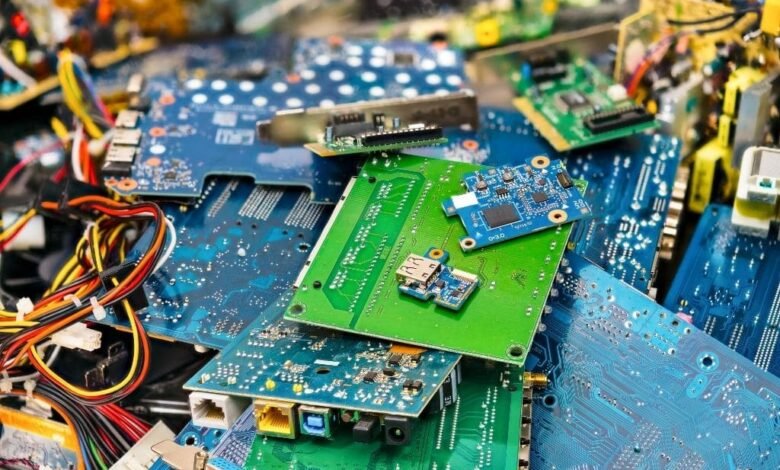
Have you ever found an old electronic device in a drawer and wondered where it should go? Small products such as wireless earbuds, portable chargers, and electronic accessories are easy to store and carry, but disposing of them responsibly is not always straightforward. Many contain batteries, metals, plastics, and electronic components that should not simply be thrown into ordinary household waste.
The problem becomes more complicated when products are difficult to dismantle or local recycling facilities do not accept them. Compact devices associated with brands such as North Vape, Mr Fog vape, and Fifty Bar also raise questions about the responsible disposal of products containing batteries and electronic components. Understanding these challenges is an important step toward reducing electronic waste and improving recycling habits.
Why Recycling Small Electronic Products Is Difficult
Small electronic products are part of everyday life. Their compact size makes them convenient, but it can also make responsible disposal less obvious. Unlike paper or glass, electronic products often contain several materials that need different treatment methods.
When these items enter ordinary waste streams, useful materials may be lost, while damaged batteries can create safety risks. The challenge is not just collecting old products. It also involves separating their components, handling hazardous materials appropriately, and ensuring that recyclable materials reach suitable processing facilities.
1. Complex Materials Make Recycling More Difficult
A small electronic device may contain plastic, copper, aluminum, circuit boards, and a battery. These materials can have different recycling requirements, making it difficult to process the entire product through one simple method.
Some products are also designed with tightly fitted components, adhesives, or sealed casings. This can make dismantling more time-consuming and expensive, particularly when a product was not designed for repair or recycling.
For example, devices such as North Vape products may contain several integrated components, depending on the model. Their compact construction can make separating the battery, electronics, and other materials more challenging.
Common recycling difficulties include:
- Separating different materials efficiently.
- Identifying and removing batteries safely.
- Handling electronic components that require specialized processing.
- Recovering useful metals without contaminating other materials.
- Managing products that are difficult to dismantle.
These problems show why recycling needs to be considered during product design, rather than only after a device reaches the end of its useful life.
2. Small Size and Improper Disposal Increase Waste
People may be more likely to overlook recycling when a product is small. An old cable, a broken accessory, or a compact electronic device can easily end up in a household rubbish bin because it appears insignificant.
However, the combined effect of millions of discarded products can be substantial. When small electronics are mixed with general waste, recovering valuable materials becomes more difficult.
Battery-powered devices can create additional problems. If lithium-ion batteries are crushed or damaged during waste collection, they may overheat and start fires in collection vehicles or waste-processing facilities.
Products such as Mr Fog vape devices should therefore be handled according to their specific disposal instructions. Devices containing batteries or electronic components should be taken to an appropriate collection service rather than casually discarded.
Practical Ways to Improve Small Electronics Recycling
Addressing electronic waste requires cooperation between manufacturers, recycling facilities, retailers, and consumers. Better collection systems can help, but people also need clear information about where to take unwanted devices.
As compact electronics become more common, recycling systems must adapt to the growing variety of products and materials. A practical approach focuses on safe collection, better product design, and convenient disposal options.
3. Battery Safety and Access to Recycling Facilities
One major challenge is finding a collection point that accepts the particular type of electronic product being discarded. Some facilities accept general electronic waste but have separate rules for loose batteries, damaged devices, or products containing integrated batteries.
This can make disposal confusing, especially when local information is incomplete. People may keep unwanted devices at home or throw them away because they do not know where else to take them.
To improve disposal practices, consumers can:
- Check local electronic-waste collection services.
- Ask whether the facility accepts devices with built-in batteries.
- Keep unwanted electronics away from children and pets.
- Avoid crushing, puncturing, or dismantling battery-powered products.
- Follow special instructions for damaged or leaking devices.
When dealing with Fifty Bar products or similar electronic devices, the exact disposal method depends on the product’s construction and local requirements. If a device contains a lithium-ion battery, do not place it in household rubbish or ordinary recycling unless local guidance specifically permits it.
If a battery is swollen, leaking, or damaged, avoid handling or transporting it unnecessarily. Contact an appropriate local waste service for instructions on safe collection.
4. Product Design and Consumer Awareness
Recycling becomes easier when manufacturers consider disposal from the beginning. Products designed for easier dismantling can allow qualified recycling facilities to separate batteries, circuit boards, and recyclable materials more efficiently.
Clear labels and accessible instructions also help consumers understand what to do when a product stops working. Without that information, even people who want to recycle responsibly may struggle to find the correct option.
Manufacturers can support better recycling through:
- Providing clear end-of-life disposal instructions.
- Designing products that qualified technicians can dismantle more easily.
- Reducing unnecessary material combinations where practical.
- Supporting take-back or collection programs where available.
- Explaining battery handling requirements.
Consumer awareness matters just as much. People can make better choices by checking local recycling options before disposing of an item and by avoiding unnecessary purchases of products that are difficult to repair or recycle.
For compact products associated with North Vape, Mr Fog vape, and Fifty Bar, reliable product-specific disposal guidance is particularly important because construction and battery arrangements may differ between models.
Final Thoughts
Recycling small electronic products presents several challenges, including mixed materials, compact construction, battery safety, and limited access to suitable collection facilities. These problems can lead to wasted resources and additional risks when electronic devices are discarded incorrectly.
The solution involves better product design, clearer disposal instructions, accessible collection services, and more informed consumer decisions. Checking local electronic-waste guidance before throwing away a device is a simple but useful starting point.
Whether dealing with everyday accessories or products such as North Vape, Mr Fog vape, and Fifty Bar, responsible disposal should be based on the item’s actual components and the requirements of the local recycling system. Small products may not take up much space, but disposing of them correctly can make a meaningful difference to resource recovery and waste management.