You may have seen the words “software name dh58goh9.7” on a website, in a search result, or in a message from someone. It looks like a program name, but it also looks a bit strange. Is it a real app? Who made it? Can you install it on your computer without trouble?
Quick Answer
At the time of writing, there is no official website, no known developer, and no trusted review for a program called dh58goh9.7. The only page that talks about it directly says the name does not match any well-known software released in 2026. So, the safest view is this: dh58goh9.7 is an unverified name, and you should not install it until you can prove where it comes from.
That does not mean it is dangerous for sure. It means nobody has shown that it is safe.
What We Found When We Searched for dh58goh9.7
I searched for the exact name and for the phrase “software name dh58goh9.7”. Here is what came up:
- Only one article talks about it directly. It is on a small website and it says the name does not match any known, official software product. It also says the name looks like an internal build, a computer-made ID, a temporary development version, or a tool from an unverified source.
- The same article says that dh58goh9.7 cannot be confirmed as legitimate software.
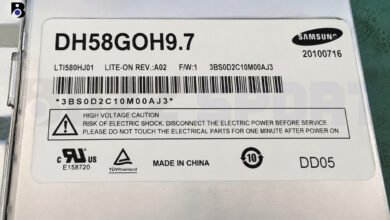
- The other search results were not related. They showed things like headphone models, drill bits, and old driver pages.
- There was no company page, no app store listing, no code page, and no user reviews.
This matters. When a real program is popular, you can usually find many sources: the maker’s website, news posts, user forums, and review pages. When you find almost nothing, you should be careful.
It is also fair to say that one small website is not strong proof of anything. That page does not give a source for its claims, so treat it as a hint, not a final answer.
What Could the Name dh58goh9.7 Mean?
Let us break the name into two parts.
The first part: “dh58goh9”
This part looks like a random mix of letters and numbers. Real software names are usually easy to say and easy to remember, like “Firefox” or “Notepad”. A random code like this often shows up in other places, for example:
- A file name made by a computer
- A test build that only developers see
- A short ID used inside a company
- A name made by a website to catch search traffic
We cannot say which one is true here. These are only possible reasons.
The second part: “.9.7”
The “.7” at the end looks like a version number. Version numbers tell you which release of a program you have. Many developers use a system called semantic versioning, which has three numbers: major, minor, and patch. For example, 2.4.1 means major version 2, minor version 4, and patch 1.
Microsoft explains that this system is not an official standard, but it gives a clear way to show what kind of change a new version brings. A change in the first number can break old features, a change in the second number adds new features, and a change in the third number fixes bugs.
Our name, “dh58goh9.7”, only has two parts after the letters, and the number “9” is stuck to the letters. That is not a clean version style. So we cannot read it the normal way. This is another sign that the name is not a normal product name.
Why People Search for Names Like This
It is common to see strange names like dh58goh9.7 online. Here are some of the reasons.
- Someone saw it in a download list. Some websites list files with long, odd names, and people want to know if the file is safe.
- A message or email mentioned it. A friend, a job, or a school task may have named it.
- It showed up on a computer. Some people find unknown files or programs in their system and want to know what they are.
- Websites create pages for odd keywords. Some sites write articles about any new keyword to get clicks, even when they know little about it.
The last point is important. If you read an article that makes big claims about what dh58goh9.7 does, but gives no proof, be careful. Real information should point to a real source.
Possible Risks of Installing Unknown Software
If you install a program that you cannot trace, you may face some problems. The US Federal Trade Commission (FTC) says that malware includes viruses, spyware, and other unwanted software that gets installed on your device without your clear consent. Criminals use it to steal personal information, send spam, and commit fraud.
Here are the main risks:
- Stolen information. Some programs collect passwords, bank details, or private files.
- Slow or unstable computer. Bad software can use a lot of power in the background and make your device crash.
- Extra programs you did not want. Free downloads sometimes come with hidden add-ons. The FTC warns that free software, such as games, file-sharing tools, and toolbars, can come with malware.
- Fake installers. A file may look like a useful tool, but it can be a trick to get you to run something harmful.
Again, we are not saying dh58goh9.7 does any of this. These are general risks for any program that comes from an unknown place.
How to Check Any Unknown Software Before You Install It
You do not need to be a computer expert to stay safe. Follow these steps in order.
Step 1: Find the official source
Real software has an official website or a page in a trusted app store. A university IT team in Macau gives simple advice: download software only from the official website of the maker, and avoid installers from third-party websites.
Ask yourself:
- Is there a company or a person behind it?
- Is there a contact page and a privacy policy?
- Can I find the same name in the Microsoft Store, Google Play, or the Apple App Store?
If the answer to all three is no, stop here.
Step 2: Do not trust the first search result
The FTC tells people to get well-known software directly from the source. It also says that websites that offer many different programs for free are more likely to include malware. So even if a site ranks high on Google, do not trust it only for that reason.
Step 3: Ignore pop-ups and scary ads
Some ads say your computer is slow or infected and tell you to install a tool. The FTC advises you not to click on pop-ups or banner ads about your computer’s performance, because scammers can hide unwanted software in them.
Step 4: Scan the file before you open it
If you already have the file, you can check it with a free online tool called VirusTotal. You upload the file or paste a link, and the service checks it with many antivirus programs. It had more than 90 antivirus engines as of April 2022, according to How-To Geek.
Here is how to use it:
- Go to the VirusTotal website.
- Choose the File tab to upload a file, or the URL tab to check a link.
- Wait for the result, then read the report.
There are two things to remember. First, one result is not the full story. A guide on VirusTotal says a detection count is evidence to weigh, not a verdict to obey. Second, the tool only sees the file at one moment, so it cannot replace a real-time antivirus on your computer.
Step 5: Watch your browser warnings
Many browsers can warn you before you open a bad page or download a bad file. The FTC says you should pay attention to these warnings. If your browser says a file is unsafe, do not try to get around the warning.
Step 6: Keep your system updated
Updates fix security holes. Turn on automatic updates for your operating system and for your antivirus program. This gives you a better chance of stopping known threats.
Step 7: Back up your important files
Before you try any new software, copy your important photos and documents to a safe place. If something goes wrong, you will not lose everything.
Warning Signs of a Risky Program
Watch out if you notice any of these things:
- The program has no clear owner or website.
- The name looks random, and nobody can explain what it does.
- It asks for more access than it needs, like your contacts, camera, or full disk.
- It comes from a pop-up, a chat message, a social media post, or an email you did not ask for.
- The page says it is “free” but asks you to turn off your antivirus.
- You cannot find any reviews from real users.
If you see two or more of these signs, it is best to stay away.
What to Do If You Already Installed It
If you installed something called dh58goh9.7 and now feel worried, stay calm. Try these steps:
- Disconnect from the internet for a short time, so the program cannot send data out.
- Run a full scan with your antivirus or with Windows Security.
- Remove the program. On Windows, open Settings, go to Apps, find the program, and choose Uninstall.
- Change your important passwords from a different, clean device. Start with email and bank accounts.
- Turn on two-step login for your main accounts.
- Report the problem. In the United States, you can report scams and malware to the FTC. In other countries, check your local cybercrime office.
If you use a work computer, tell your IT team right away.
Should You Use Software Name dh58goh9.7?
Here is our honest view, based on the facts we could find.
- There is no official source for dh58goh9.7.
- There is only one article that talks about it, and that article says it cannot confirm the software is real.
- The name looks like a computer-made ID, not a product name.
So we do not suggest installing it. If you must test it, do it on a spare computer or a virtual machine that has no personal data, and scan the file first. If you can, ask the person who gave you the name where they found it.
If you later find an official page with a clear maker, a privacy policy, and real user reviews, you can look again. Facts can change, and a new tool may become known with time.
Tips for Website Owners and Bloggers
If you write about strange keywords like this one, here is some friendly advice:
- Say clearly what you know and what you do not know.
- Do not invent features for a program you have never seen.
- Link to real sources so readers can check your facts.
- Give readers safe steps they can use, like the ones in this article.
Readers trust honest writing, and search engines tend to favor pages that help people.
Final Thoughts
The name dh58goh9.7 raises more questions than answers. There is no trusted source that explains what it is, and that alone is a good reason to be careful. The good news is that you now have a simple checklist you can use for this name and for any other unknown program: find the official source, avoid pop-ups, scan the file, keep your system updated, and back up your data.
When in doubt, wait. A few minutes of checking can save you hours of trouble later.
Frequently Asked Questions
What is software name dh58goh9.7?
Nobody has shown that it is a real, official program. The only page that discusses it says the name does not match any known software released in 2026. It may be an internal build name, a computer-made ID, or a name from an unverified source. Until a trusted maker or page explains it, treat it as an unknown name.
Is dh58goh9.7 safe to download or install?
It cannot be called safe because there is no proof of who made it or what it does. The safest choice is to not install it. If you already have the file, scan it with an antivirus program and a tool like VirusTotal, and do not open it on a computer that holds important data.
How can I check if a software name is real?
Look for an official website, a listing in a trusted app store, a clear company name, and a privacy policy. Search for real user reviews on well-known forums. Download only from the maker’s own site, scan the file before you open it, and be careful with free downloads from random pages.