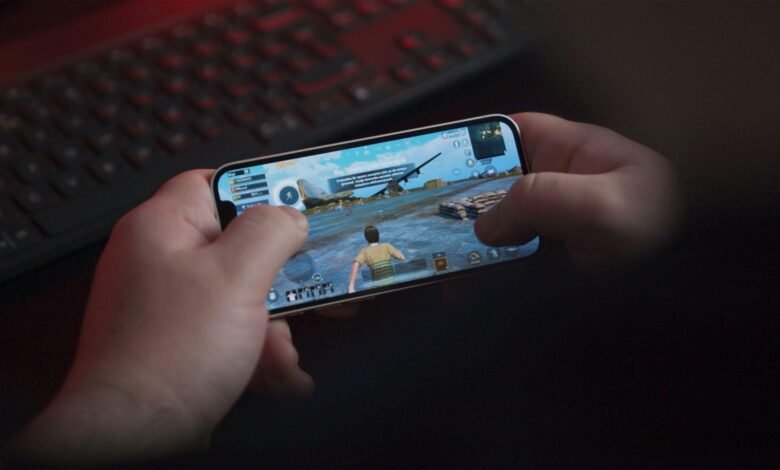
The TV is showing a basketball game. Somebody on the couch has the box score open on a phone, while another person is halfway through a puzzle game. Neither is doing anything unusual. A smartphone has become the extra screen, the gaming device and, increasingly, the place where entertainment starts.
That shift is easy to see in the range of games now designed for phones and tablets. Mobile gaming has grown well beyond simple time-fillers, with everything from quick puzzle games to competitive multiplayer titles available on the same device. That doesn’t mean consoles are disappearing. It means entertainment no longer has to happen in one particular room.
1. Games Fit Into the Gaps of the Day
Modern players need to take advantage of any small moment of leisure. Waiting in line for that coffee from a favorite barista? No problem, ten minutes is enough. An online puzzle, a card game or a few turns in a strategy game can fill time that once meant staring at the back of the person waiting for their Grande Caffè Americano. Nobody has to set up a console to begin.
Mobile games are built around that reality in different ways. Touch controls remove the need for extra equipment, while saved progress lets someone stop when the bus arrives. A good mobile experience respects interruptions instead of pretending everyone has an uninterrupted afternoon.
Some of the simplest options don’t even require an app installation. Players can enjoy free browser games, including racing, card and strategy titles, directly through their web browsers. It’s a convenient option for anyone who wants to start playing quickly without downloading another app or using up phone storage.
2. Cloud Gaming Makes Your Phone More Capable
There used to be a clear dividing line between games a phone could run and games that needed serious hardware. Cloud gaming makes that line less rigid. Instead of asking the phone to do all the processing, a remote computer runs the game and streams the picture back.
Cloud gaming services can allow players to access supported titles on Android phones and iPhones through a web browser, without installing the games themselves. Some games offer touchscreen controls, while others work with compatible controllers. This flexibility makes it possible to enjoy games originally designed for consoles or computers on a mobile device.
Think about a long weekend away from home. A player might pick up an eligible game on a phone instead of packing the console, and in some cases continue progress made earlier. It’s still the same game.
It’s worth noting that the cloud, although filled with content available to mobile users, still relies on a stable and reliable connection. If you don’t have a connection, you won’t be enjoying all that wonderful online content. If your connection is unstable, you may experience delays between actions you take and them being reflected by the server. If you’re a gamer, that can limit your enjoyment.
3. Familiar Games Have Found New Homes
A phone’s game library now looks nothing like the handful of basic titles people once expected from a handset. Competitive games sit beside puzzles, digital board games and expansive adventures. Players can move between genres without changing devices, even if the controls and experience differ from platform to platform.
Plenty of familiar games have made that move without changing beyond recognition. Card games, puzzles and board-game adaptations still use rules people already know, but touch controls, online multiplayer and updated graphics change how they are played on a phone.
Casino games have followed a similar path, although real-money versions come with much stricter rules. The same shift can be seen on the FanDuel Casino website, where familiar formats such as slots and blackjack are available digitally alongside live dealer options. Access to real-money casino services is limited to eligible adults in places where online gambling is legal.
The broader pattern is the same across mobile entertainment. Games that once belonged to a board, console, computer or physical venue can now sit together on one device, even though each has had to adapt its controls and presentation for a smaller screen.
4. The Second Screen Is Part of Game Night
Watch a close NBA game with friends and you’ll probably see phones come out before the final buzzer. Someone wants the shooting percentages. Someone else is checking whether an injured starter has returned. The TV supplies the action, and the phone fills in the details.
Second-screen viewing has become a familiar part of watching live sports, with fans regularly turning to their phones during games. They might check player statistics, follow other scores or read reactions from fellow supporters. Rather than distracting from the broadcast, these activities can add another layer to the experience.
The second screen can be useful for smaller things too. Someone might check a player’s recent stats, look up a rule or see what is happening in another game. None of that requires leaving the main broadcast for very long.
The habit reaches beyond sports. Friends send reactions during a streaming premiere, while multiplayer gamers use messaging apps to organize the next match. A phone can keep a conversation moving without forcing anyone to leave the bigger screen.
5. More Choice Also Means More Settings
Mobile games and streaming apps now come with far more settings than they once did. Players can adjust sound effects, graphics quality and control layouts, while streaming viewers can change subtitles, playback quality and language options. These features allow people to shape their entertainment experience around their devices and personal preferences.
The variety of available settings also reflects how differently people use their phones. Someone playing a fast-paced action game might prioritize responsive controls and smooth performance, while a puzzle enthusiast may prefer relaxed gameplay without distracting sound effects. Many mobile games offer adjustable difficulty levels, accessibility features and visual settings that make different experiences easier to enjoy.
Apps also give users more control over how they behave day to day. Users can choose which notifications they receive, manage automatic downloads and review subscription options across their favorite apps.
Privacy and payment settings provide additional control over personal information and purchases, making it easier to manage multiple entertainment services from one device. These options are especially useful when a phone serves several entertainment purposes throughout the day.
Entertainment Evolves
The old devices aren’t going away. A big television still makes a championship game feel bigger, and a dedicated console still has its appeal. The phone simply gives people more ways to join in.
The key for consumers is choice. Sometimes your mobile device will capture all of your attention; other times it’s the source of stats, analysis or opinion that complement the big screen. It’s flexible and it allows you to enjoy your leisure time on your own terms, when and where you want. That’s what makes entertainment so filled with possibilities for today’s consumer in search of the perfect downtime solution.