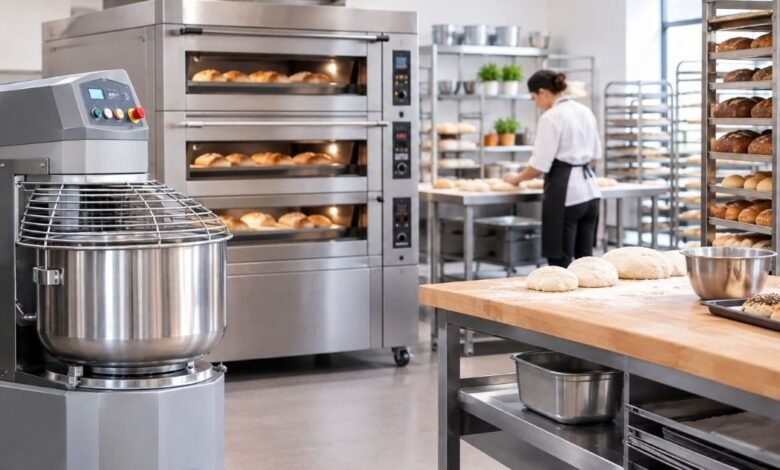
Every bakery reaches a point where the kit that served it well at the start begins to hold it back. Orders climb, wholesale enquiries arrive, and the mixer that once handled a morning’s work now runs from open to close. Growth is good news, but it puts real pressure on equipment, staff and consistency.
The right investment at this stage is rarely the biggest machine on the market. It is the equipment that lets a business test new products with confidence, keep quality steady as volumes rise, and scale without wasting ingredients or time. So where should a growing bakery invest first?
Start With Your Bottlenecks, Not the Catalogue
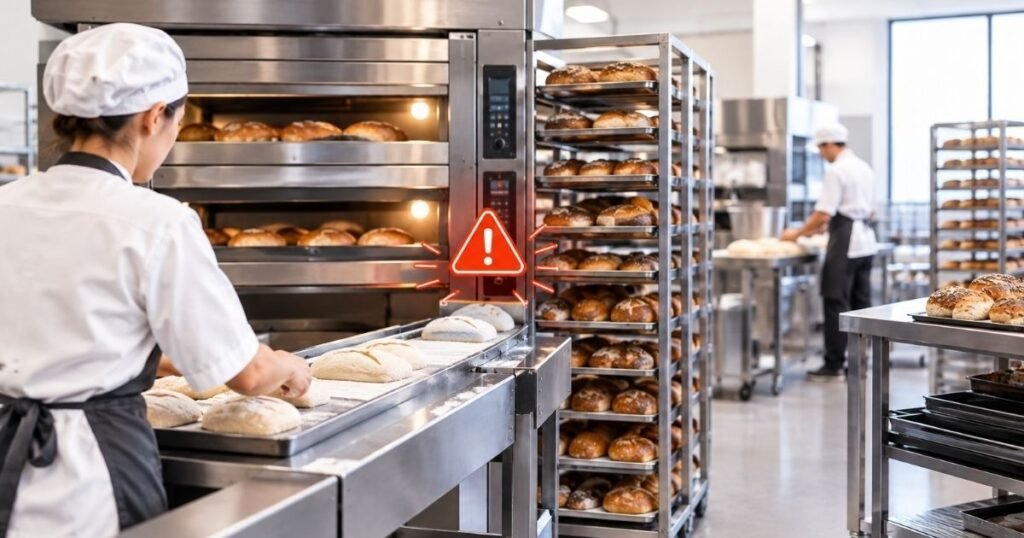
Before looking at any machine, map where your day slows down. For some bakeries, the problem is dough development. For others it is proving space, or the time lost remaking batches that came out uneven.
A simple way to find the pinch point is to walk through one full production run and note every moment staff wait for a machine. The step with the longest queue is where new equipment pays back fastest. Buying ahead of that bottleneck adds cost without adding output.
Product Development Needs Its Own Space
Growing bakeries tend to expand their range as well as their volume. New breads, enriched doughs, free-from lines and retail briefs all need testing before they reach the production floor. Running trials on full-size equipment ties up capacity and wastes ingredients on batches that may never sell.
This is where small-scale kit earns its place. A laboratory mixer lets bakers and food technologists replicate production conditions at a smaller scale, so they can refine recipes quickly and cheaply. When the formula is right, it moves into production with far fewer surprises.
Proving matters just as much during development. Temperature and humidity shape how dough rises, and small variations change crumb structure, volume and shelf life. A dedicated test prover provides controlled, repeatable conditions for trial batches, so development-kitchen results reflect what will happen at scale. For bakeries supplying retailers with tight specifications, that repeatability is hard to achieve without it.
Consistency Becomes the Real Challenge at Scale
A small bakery can lean on an experienced baker’s judgement. A larger one cannot count on a single person being on every shift. As output grows, the equipment itself has to carry more of the responsibility for consistency.
Mixing is usually the first place this shows. Dough temperature, hydration and gluten development all affect the final product, and manual adjustments become harder to manage across several batches a day. Equipment with precise, programmable control reduces variation between shifts and between operators.
For certain products, a vacuum mixer adds another layer of control. Mixing under reduced pressure changes how air works into the dough, which can affect texture, crumb colour, and how the dough handles during processing. Bakeries producing items where a fine, even crumb matters often find this approach helps them hit the same standard batch after batch.
Think About Space, Cleaning and Training
Floor space is often the hidden constraint for a growing bakery. Before committing, check the footprint, maintenance access, and how the machine fits into the existing flow of ingredients and finished goods.
Cleaning time deserves attention too. Equipment that strips down and sanitises quickly keeps downtime low and supports food safety audits. Ask suppliers how long a full clean takes and which parts need regular replacement.
Finally, consider who will run it. Intuitive controls and clear programme settings shorten training and reduce errors when new staff join, which happens often in a growing business.
Work With a Supplier Who Understands Production

The supplier relationship can matter as much as the machine. A good equipment partner will ask about your products, volumes and growth plans before recommending anything. They should offer installation support, servicing, and spare parts, and advise on how a machine will perform with your specific doughs.
UK manufacturers such as Pentagon Bakery Systems design and build equipment for bakery production and product development, giving growing businesses access to local engineering support. Working with the people who build the machines also makes it easier to get answers when you need to adjust a setting.
Matching Equipment to Your Stage of Growth
No single machine is best for every growing bakery. The right investment depends on where the pressure sits today and where the business plans to be in two or three years.
As a rough guide:
- Bakeries expanding their range should put development equipment first, so trials are faster and more reliable.
- Bakeries struggling with uneven output should look at mixing and proving control before adding capacity.
- Bakeries running out of room should focus on footprint and workflow before buying bigger machines.
Building a Bakery That Scales With Confidence
Growth exposes the weak points in any bakery’s set-up. Investing in equipment that supports testing, consistency and efficient workflow helps a business scale without losing the quality that won its customers in the first place.
Start with the bottleneck, test before you scale, and work with a supplier who understands how bakeries really operate. Get those three right and the equipment will grow with the business, not against it.