If you have searched online for the word “Palentu,” you may have found different answers. Some websites call it a food. Others use it as a name for something else, like an app or a lifestyle idea. This can feel confusing. In this article, we will focus on the most common and most useful meaning: Palentu as a traditional food made from cornmeal.
We will explain what Palentu is, where it comes from, how people make it, and why it is still popular today. By the end, you will understand this simple dish and maybe even want to try cooking it yourself.
What Does the Word “Palentu” Mean?
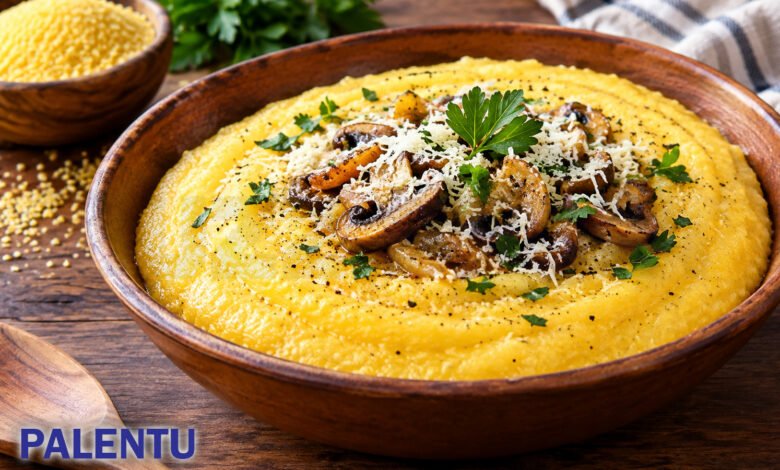
Palentu is a word used in some regions to describe a dish that most people know as polenta. Polenta is made from ground corn, also called cornmeal. The cornmeal is cooked slowly in water, milk, or broth until it becomes thick and soft, similar to porridge.
The word “Palentu” is not used everywhere. It appears more often in certain local dialects, especially in parts of Southern and Eastern Europe. Because of small changes in language and pronunciation over time, the same basic dish got different names in different places. So when someone says “Palentu,” they are usually talking about the same comforting corn dish that others call polenta or palenta.
It is worth knowing that a small number of sources connect the word to other things. For example, one source describes a chickpea-based porridge from Calabria, Italy, also called Palentu, made with chickpea flour instead of corn. Another source uses the name for a digital platform. These uses exist, but they are much less common. The cornmeal dish is by far the most well-known meaning, so that is what we will focus on in this guide.
The History Behind Palentu
To understand Palentu, it helps to look at its long history. Long before corn arrived in Europe, people already made similar dishes using other grains, such as barley or spelt. The ancient Romans had a food called “pulmentum,” a simple porridge made from grains. This early dish is often seen as an ancestor of what we now call polenta or Palentu.
Everything changed in the 16th century, when corn was brought to Europe from the Americas. Corn grew well in many parts of Europe and produced large harvests. Farmers and poor communities quickly adopted it because it was cheap, filling, and easy to grow. Over time, cornmeal porridge replaced older versions made from other grains, and the dish we now know as polenta or Palentu was born.
For many centuries, Palentu was seen as food for farmers and working families, not for the wealthy. It did not use expensive ingredients or complicated cooking methods. Instead, it gave people steady energy through simple, natural ingredients. In many rural areas, families would gather together to make a big pot of Palentu, and it would be shared among everyone at the table. This idea of a shared, simple meal is still part of the cultural meaning behind the dish today.
Today, Palentu is no longer seen only as “poor people’s food.” Instead, many people now value it as a traditional dish with real history and cultural pride. It represents a strong connection between rural life, farming, and family cooking.
What Is Palentu Made Of?
The main ingredient in Palentu is cornmeal, which is corn that has been dried and ground into small pieces. There are different types of cornmeal, and the texture can change depending on how coarse or fine it is ground. Traditional versions often use a coarser grind, which gives the final dish a slightly firmer texture compared to smoother versions like grits.
Besides cornmeal, the dish usually needs only a few basic ingredients:
- Water, milk, or broth – This is the liquid used to cook the cornmeal.
- Salt – Added for flavor.
- Butter or olive oil – Often added at the end for richness.
- Cheese – A common addition, especially in Italian-style versions.
Some recipes add extra ingredients depending on the country or family tradition, such as herbs, garlic, or even vegetables like pumpkin. But the base of the dish always stays simple: cornmeal cooked slowly in liquid until it becomes thick.
How Is Palentu Made?
Making Palentu at home is not difficult, but it does take some patience and attention. Here is a simple explanation of the basic method:
- Boil the liquid. Start by bringing water, milk, or broth to a steady boil in a large pot.
- Add the cornmeal slowly. Pour the cornmeal into the boiling liquid in a thin, steady stream. It is important to add it slowly and stir at the same time. This step helps stop lumps from forming.
- Stir continuously. Keep stirring the mixture over low to medium heat. This step is very important, because cornmeal can stick to the bottom of the pot and burn if it is left alone.
- Let it thicken. As the cornmeal cooks, it slowly absorbs the liquid and becomes thick and smooth. This can take anywhere from a few minutes to almost an hour, depending on the type of cornmeal used.
- Add extra flavor. Once the mixture is thick, many people stir in butter, cheese, or a little olive oil for extra flavor and creaminess.
- Serve or let it set. Soft Palentu can be served right away, almost like a warm porridge. If you prefer a firmer version, you can pour the mixture into a dish, let it cool, and allow it to set. Once firm, it can be sliced and even grilled or fried.
A common tip is to use about three to four cups of liquid for every one cup of cornmeal. This ratio helps create a smooth, creamy texture, though you can adjust it depending on how thick or soft you like the final dish.
Different Ways to Enjoy Palentu
One of the best things about Palentu is how flexible it is. It can be served in many different ways, which is part of why it remains popular across different cultures and generations.
Here are some common ways people enjoy it:
- As a side dish: Soft Palentu pairs well with meats like sausages, grilled chicken, or beef stew. It works in a similar way to mashed potatoes or rice, soaking up sauces and juices from the main dish.
- With vegetables: For a lighter or vegetarian meal, Palentu is often topped with roasted or sautéed vegetables, such as mushrooms, peppers, or tomatoes.
- With cheese: A sprinkle of grated cheese on top of warm, soft Palentu adds a rich and satisfying flavor.
- Fried or grilled: Once the mixture cools and becomes firm, it can be cut into shapes, coated lightly, and then fried or grilled until crispy on the outside and soft on the inside.
- With pumpkin: In cooler months, some recipes mix in roasted or cooked pumpkin, giving the dish a warmer, slightly sweet flavor.
This variety means Palentu can fit into breakfast, lunch, or dinner, depending on how it is prepared.
Is Palentu Healthy?
Plain Palentu is mainly made of complex carbohydrates from the corn. This means it gives a slow and steady release of energy, rather than a quick sugar spike. It is naturally gluten-free, which makes it a good option for people who cannot eat wheat-based foods.
The overall health value of the dish depends on what is added to it. A simple version made with water, a little salt, and a small amount of olive oil is a light, plant-based meal. On the other hand, versions made with lots of butter, cream, or cheese become richer and higher in fat and calories.
Because of this, Palentu can fit into many different diets. It can be a light, simple side dish, or a heartier comfort food, depending on how it is prepared and what is served alongside it.
Why Is Palentu Still Popular Today?
Even though Palentu started as a simple, low-cost meal for farming families, it has managed to stay popular for centuries. There are a few clear reasons for this.
First, it is affordable. Cornmeal is cheap and easy to find in most places, which makes Palentu an accessible meal for many households.
Second, it is easy to prepare. You do not need advanced cooking skills or special equipment. A pot, a spoon, and some basic ingredients are enough to make a satisfying meal.
Third, it connects people to tradition. For many families, cooking Palentu is a way to remember older generations and keep cultural habits alive. In some homes, the recipe has been passed down for many years, with small changes added by each generation.
Finally, its flexibility keeps it interesting. Because Palentu can be served in so many different ways, from soft and creamy to firm and grilled, it never feels boring. People can adjust it to match modern tastes while still respecting the traditional method.
Final Thoughts
Palentu, most often known as a regional name for polenta, is a simple cornmeal dish with a long and rich history. It started as a basic meal for farming communities, but over time it became a respected part of food culture in many regions, especially in Southern and Eastern Europe.
Its charm lies in its simplicity. With just a few ingredients, some patience, and continuous stirring, anyone can turn plain cornmeal into a warm, comforting dish. Whether you enjoy it soft and creamy, or firm and grilled, Palentu remains a meal that connects the past with the present, one spoonful at a time.
Frequently Asked Questions
Is Palentu the same as polenta?
Yes, in most cases, Palentu is a regional name or spelling used for the same dish known as polenta. Both are made by cooking cornmeal in liquid until it becomes thick.
Can I make Palentu without milk?
Yes. Palentu can be made using only water and salt. Milk or broth is often added to make the dish richer and creamier, but it is not required.
Is Palentu gluten-free?
Yes, plain Palentu made from cornmeal is naturally gluten-free. This makes it a good choice for people who need to avoid wheat and gluten in their diet.