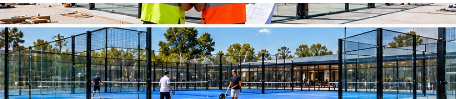
A great padel rally looks spontaneous, but the court that supports it depends on careful planning and reliable components. Frames must align, glass panels must be fitted correctly, the surface must perform consistently, and lighting must support play without unnecessary glare. As more clubs consider adding courts, manufacturing quality becomes a practical issue for owners who want a facility that can handle frequent use without constant disruption.
Quality starts before production
Manufacturing begins with clear requirements. A supplier needs to understand the intended court configuration, site conditions, climate, usage level and any local constraints. Technical drawings and component specifications help make sure the parts fit together and reduce the chance of last-minute adjustments. Buyers should ask how revisions are controlled and how quality is checked before dispatch.
Materials and component compatibility
The frame, glass, mesh, fasteners and playing surface each have different performance requirements. Their compatibility matters as much as their individual specifications. Outdoor installations may need particular attention to corrosion protection and weather exposure. Glass and fixing details should be reviewed by qualified professionals to ensure the system suits the intended application.
Why procurement transparency matters
A clear quotation should list what is included, what is optional and what the buyer must arrange locally. For buyers researching padel courts china, useful questions include how components are labelled and packed, what documentation accompanies the shipment, how missing or damaged parts are handled, and what support is available during installation. These details reduce uncertainty in cross-border projects.
Panoramic systems require precise coordination
Panoramic court designs use large glass areas to create an open visual effect. That makes alignment, support details and installation tolerances especially important to the final appearance. A full panoramic padel court should be assessed not only by its finished look but also by the clarity of its technical documentation, inspection process and maintenance access.
Installation is part of product quality
Even well-made components can underperform if the base is uneven or assembly is rushed. The site should be prepared to the specified tolerances, and installers should follow the approved sequence and fixing instructions. Project managers need a clear plan for unloading, storage, lifting, weather delays and final checks. The handover should record any outstanding items and how they will be resolved.
Testing and documentation
Before opening, the venue should verify the surface, lines, glass, gates, mesh, lighting and drainage. Suppliers and contractors should provide relevant technical documents, care instructions and warranty information. Documentation is useful later when replacing a component or investigating a fault. A maintenance log can also reveal whether a problem is recurring or isolated.
Maintenance keeps quality visible
Regular checks help preserve both performance and appearance. Cleaning should follow product guidance, and staff should be trained to report unusual movement, damage, loose fittings or lighting failures. A prompt response protects availability and prevents small issues from becoming larger repairs. Owners should also understand which tasks can be handled routinely and which require qualified technicians.
Manufacturing as a service relationship
The supplier relationship should not end when the shipment arrives. Responsive communication, replacement-part support and clear warranty procedures can have a meaningful effect on the facility’s long-term cost. Buyers should clarify service expectations before ordering rather than relying on assumptions after installation.
Building better facilities through better decisions
Manufacturing quality is most valuable when it is joined to sound site preparation, professional installation and responsible operation. Clubs that ask detailed questions and document decisions can make better comparisons and reduce avoidable risk. In a competitive sports market, dependable courts are a foundation for a better player experience and a stronger venue reputation.
Traceability and replacement parts
Component labels and an organised parts list can save time when a repair is needed months or years later. Ask how the owner can identify a component and request a replacement. Record the information in the facility’s maintenance file and keep warranty contacts accessible to the people who manage the site.
The value of predictable lead times
A clear production and delivery schedule allows the owner to coordinate groundworks, contractors and marketing. Build in contingency for weather, transport delays and inspection. Avoid announcing a firm opening date until the site, delivery and installation plan have been checked together.
Inspection routines should be specific
A maintenance plan is most useful when it states what to check, how often and who records the result. Visual checks can look for damage to glass, loose fittings, worn turf, blocked drainage and lighting faults. The correct inspection frequency depends on usage, conditions and supplier guidance. Any concern involving glass or structural stability should be referred promptly to a qualified professional, rather than treated as a routine cleaning task.
Quality affects reputation
Players may not know the technical specification of a court, but they quickly notice uneven playing conditions, poor lighting or repeated closures. Consistent maintenance and fast communication can protect a club’s reputation. Owners should track faults and downtime over time, then discuss recurring issues with the supplier or installer. This feedback loop helps turn quality control from a one-time factory check into an ongoing part of facility management.
Consider climate and usage together
A court exposed to heavy rain, strong sun, temperature changes or frequent play may need a different inspection routine from a lightly used indoor court. Owners should follow the supplier’s care instructions and adjust checks to the real conditions at the site. Drainage should be monitored after significant rainfall, and any recurring surface or structural issue should be investigated rather than repeatedly patched.
Measure downtime, not only bookings
Utilisation is important, but a facility should also record when a court is unavailable and why. Planned maintenance, weather, damage and delivery delays have different causes and may need different responses. Reviewing downtime alongside booking data gives managers a more accurate picture of the asset’s performance and can help prioritise improvements that have the greatest effect on customer access.
Conclusion
Reliable manufacturing is not only about the components that arrive on site. It also includes accurate specifications, coordinated installation, clear documentation and support after handover. When these elements work together, clubs can reduce avoidable downtime and provide players with a more consistent experience.
Editorial word-count check: approximately 1024 words including headings.