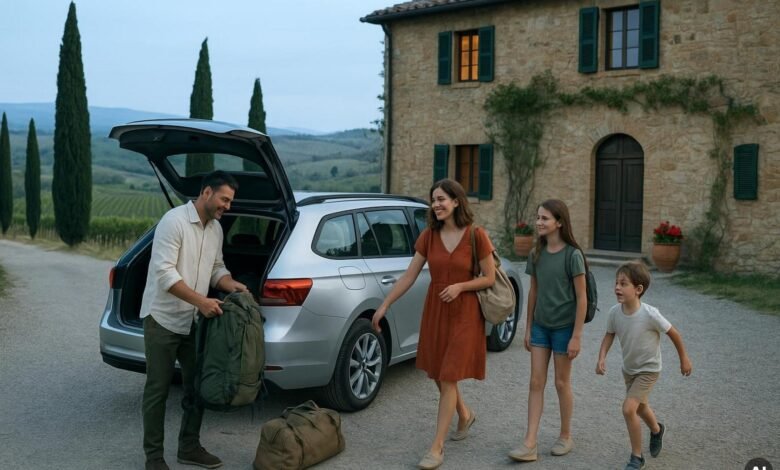
Car rental services can support your European travel plans by giving you direct access to quiet rural areas, historic countryside, and scenic mountain or coastal roads that high-speed trains and regional buses cannot reach. A rental car connects major transport networks with secluded destinations. It lets you replace a holiday based on fixed timetables with a trip that follows your own pace and interests.
Planning a trip across Europe often means combining flights, trains, and buses. Adding a rental car for selected parts of the route can take you to remote valleys, peaceful beaches, and mountain villages. Whether you are planning a family holiday, a romantic vineyard trip, or an active journey across several countries, choosing car rental services by CarFree gives you the mobility to see places beyond busy railway stations and city centers.
What Are the Main Benefits of Renting a Car in Europe?
Flexibility for Multi-Country Travel
Europe is compact compared with many other travel regions. This makes it possible to cross several borders and experience different cultures and cuisines in one day. A rental car lets you change your route if the weather shifts or a local festival appears in a nearby country.
Instead of following fixed departure times and seat reservations, you can enjoy morning coffee in an Austrian lakeside village, have lunch in a Bavarian tavern, and finish the day in a quiet Czech town. This flexible style brings the classic European road trip to life.
Access to Rural Villages, Beaches, and Mountain Destinations
Public transport usually focuses on large towns and cities. Many beautiful locations remain poorly served by scheduled services. These include the cliffside beaches of Portugal’s Costa Vicentina and the stone villages hidden in Romania’s Carpathian Mountains.
A rental vehicle can take you to remote monasteries, quiet Mediterranean beaches, and mountain trailheads before the tour buses arrive. Your holiday becomes more than a list of famous city landmarks; it becomes a chance to see local landscapes and rural life at close range.
Time Savings on Routes With Limited Public Transport
Traveling between major capitals by train can be quick. Moving between smaller towns by rural bus may take most of a day. A trip that takes 45 minutes by car can become a four-hour journey with several bus changes, long waits, and schedules that do not run during the middle of the day.
Driving yourself gives those hours back. You can visit several regional sights in one day and turn long, tiring travel days into smooth drives through attractive scenery.
Space and Comfort for Families and Groups
Moving through a busy European station with tired children and heavy suitcases can be one of the hardest parts of a holiday. A private rental car gives everyone a quiet place to rest, charge devices, and sleep between stops.
For groups, a car can cost less as well. Individual train tickets for four or five people across several regional journeys can soon cost more than the daily rental price and fuel for a large estate car, SUV, or minivan.
When Trains or Buses May Be a Better Choice
A good travel plan also includes times when you leave the car parked or return it early. If your route covers only major historic capitals such as London, Paris, Rome, or Vienna, a car may cost more and cause more problems than it solves.
City centers often have low-emission zones, narrow old streets, limited parking, high garage prices, and heavy traffic. In these places, walking and using the metro or tram network is usually faster, cheaper, and less stressful than driving through one-way streets and crowded roads.
Which European Routes Can CarFree Car Rental Services Support?
Portugal Coastal Drive From Lisbon to the Algarve
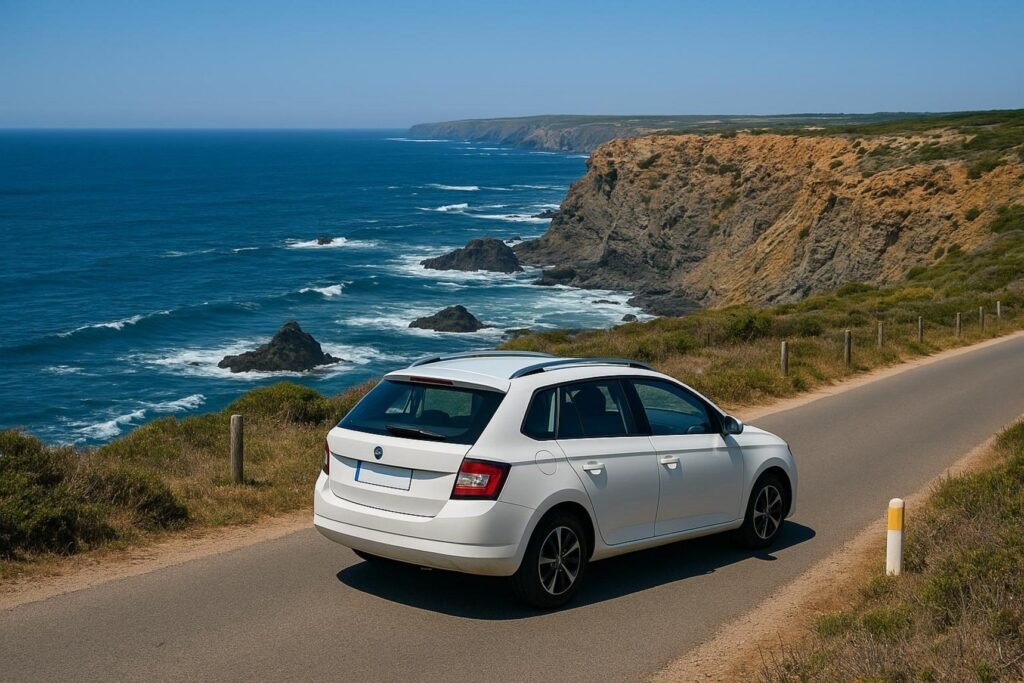
The drive from Lisbon to the sunny Algarve coast covers about 280 kilometers and is one of southern Europe’s best road trips. Instead of taking the inland A2 motorway for the whole journey, a rental car lets you follow more of the Atlantic coast through the Alentejo region.
You can pass through white fishing villages such as Porto Covo, travel along the cliffs near Vila Nova de Milfontes, and find quiet surfing beaches reached by unpaved country roads. This route offers a slower view of coastal Portugal that train travel cannot provide.
Hungary and Austria City-To-Countryside Route
Vienna and Budapest make a strong city-to-city route, but the countryside between them offers many extra places to visit. In eastern Austria, you can drive around Lake Neusiedl, stop at small Burgenland wineries, and visit historic palaces.
After crossing into western Hungary, a car gives you access to the baroque town of Győr, Pannonhalma Abbey, and the volcanic vineyards near Lake Balaton. You can add a mountain detour on Austria’s Grossglockner High Alpine Road, which is usually open from May to November, before returning the car and continuing into Budapest.
Transylvania Road Trip Through Romania
Romania has some of Europe’s wildest scenery, and Transylvania combines high mountain roads with fortified medieval towns. A rental car can link the Saxon towns of Sibiu, Sighișoara, and Brașov with famous sites such as Bran Castle.
Driving also gives you access to the Transfăgărășan Highway. Because of heavy snow, this road usually operates from about June to October. It climbs over high mountain passes and runs through deep valleys, creating a memorable drive that public transport cannot match.
Balkan Routes Across Croatia, Montenegro, and Neighboring Countries
The Adriatic highway runs beside steep limestone cliffs and clear blue water. Driving south from Split or Dubrovnik into Montenegro’s fjord-like Bay of Kotor brings a new view around almost every bend.
A rental car lets you move between coastal seafood restaurants and inland national parks such as Durmitor and Lovćen. Public buses often move slowly between major stations, while a private vehicle lets you stop for photographs whenever the views across the Adriatic are at their best.
How To Match the Vehicle and Rental Terms to Each Route
The right car can make a road trip safer and more comfortable. For steep Alpine roads or the Transfăgărășan, choose a car with enough power and good handling. For coastal villages in southern Portugal or Italy, a small hatchback is often easier to park in old town centers with narrow cobbled streets.
Check that the rental conditions fit your route. Long trips across several regions can become much more affordable with unlimited mileage, since you will not face extra charges for every kilometer beyond a daily limit.
How Should You Choose a Car for Your Europe Travel Plans?
Vehicle Size, Luggage Space, and Passenger Capacity
In Europe, a larger vehicle is not always the better choice. Parking spaces, old city gates, village bridges, and narrow roads can make a large SUV hard to drive and park. A smaller car may also reduce the chance of scraping the paint or wheels.
Choose the smallest vehicle that can comfortably carry all passengers and keep their luggage hidden in the trunk. When browsing options on carfree.pl, a sedan or hatchback with a fixed parcel shelf usually offers better security than a vehicle with bags visible through the windows.
Manual Versus Automatic Transmission
Manual cars are still common in European rental fleets and are often the least expensive option. Local drivers may find a manual gearbox easy to use, but visitors who are not used to three pedals may find hill starts in old towns stressful.
Automatic cars are available at major rental locations, but they usually cost more per day and may sell out quickly during busy periods. If you need an automatic vehicle, book several months ahead so you have a better chance of getting the model and price you want.
Fuel Efficiency and Electric Vehicle Availability
Fuel costs in Europe are often higher than in North America because of energy and environmental taxes. Choosing a fuel-efficient diesel, hybrid, or mild-hybrid car can reduce costs on a two-week trip covering thousands of kilometers.
Electric vehicles are becoming more common in rental fleets, and fast-charging networks are expanding along major European roads. An EV can work well for motorway routes in Germany, France, or the Netherlands. Before booking one for a rural trip, check that your hotels or cottages have charging facilities.
Comfort, Reliability, and Unlimited Mileage
A road trip lasting several weeks means spending many hours in the car. Comfortable seats, easy-to-use cruise control, and phone connections such as Apple CarPlay or Android Auto can make a large difference. Established rental companies often replace cars regularly, giving customers newer models with current safety features.
Read the mileage rules before booking. Companies such as Klass Wagen and CarFree often include unlimited mileage in standard rental packages, while some older providers set daily distance limits for luxury or special vehicle categories. Extra charges per kilometer can make a low advertised price much more expensive.
What Does a European Car Rental Cost?
Daily Rental Rates and Seasonal Price Changes
European rental prices change based on demand, vehicle supply, and local tourism patterns. Prices often rise sharply in July and August, especially in popular Mediterranean areas of Spain, southern France, Italy, and Greece.
Traveling in the shoulder seasons, such as late spring or early autumn, can lower the daily price. You may also find mild weather and fewer visitors at major attractions. Knowing how prices change through the year can help you plan a larger route without spending as much.
How Pick-up and Drop-off Locations Affect the Price
Picking up a car at a large international airport or central railway station often brings facility fees and local concession charges. These costs are added in exchange for the convenience of collecting the car right after your arrival.
An off-airport branch or suburban station may have a lower base price. Some companies operate depots a few minutes from the airport and provide a free shuttle, giving travelers a balance between convenience and cost.
Insurance, Deposits, Fuel, and Additional Driver Fees
The daily price shown online is only one part of the final cost. At collection, the company will usually place a security hold on your credit card. This deposit covers possible damage, missing fuel, or traffic penalties and may range from several hundred euros to more than €1,000.
Extra services can raise the total. Adding another driver, renting child seats, or choosing wider damage protection will increase the bill. Reading these charges before arrival can prevent surprises at the counter.
One-Way Rental and International Drop-off Charges
Collecting a car in one city and returning it in another gives you more freedom and removes the need to drive back to your starting point. Domestic one-way rentals within the same country often have a reasonable relocation fee that may be worth paying for the time and fuel saved.
International one-way rentals can cost much more. Returning a car rented in Germany to Italy or Spain may require the company to bring the foreign-registered vehicle back to its original country. Cross-border return charges can range from about €220 to more than €1,000. If possible, plan a loop that begins and ends in the same country.
How Early Booking Can Reduce Rental Expenses
Rental pricing often works like airline pricing. As fewer cars remain near the travel date, the prices for those cars rise. Waiting until the final week or renting at an airport counter during a busy holiday period can lead to very high charges.
Booking two to four months ahead can provide a wider choice of vehicles and lower early booking prices. This matters even more if you need an automatic minivan, a large estate car, or another special category.
How To Compare the Total Price Instead of the Headline Rate
A very low daily price may leave out required fees, expensive fuel terms, or mileage limits. A rate that looks cheap online can rise once basic services are added at the desk.
To compare companies fairly, calculate the full travel cost. Add the base rental price, mileage, cross-border permissions, fees for extra drivers, and the level of insurance you want. This shows which offer provides real value rather than just the lowest starting number.
What Documents and Requirements Apply to Renting a Car in Europe?
Passport, Driving Licence, and Payment Card Requirements
At a European rental desk, you will need several identity and payment documents. The main driver must show a valid physical driving licence from their home country. Many companies require the licence to have been held for at least one year. A photo or digital copy on a phone is usually not accepted.
You will need your original passport for identity checks and border travel. You must also show a physical credit card in the main driver’s legal name. Rental companies often reject debit and prepaid cards when they place the security deposit hold.
When an International Driving Permit Is Required
An International Driving Permit, or IDP, provides a standard translation of your national driving licence. Licences issued by EU member states are generally accepted across the EU, but rules vary for visitors from countries outside the EU.
Italy, Austria, and Spain are examples of countries where non-EU visitors may need an IDP together with their original licence. Police can issue fines if you cannot show one during a traffic stop. In the United States, the American Automobile Association, or AAA, is authorized to issue IDPs. Apply before leaving for Europe.
Minimum Age Rules and Young-Driver Surcharges
The legal driving age in much of Europe is 18, but rental companies set their own age requirements. Many set the minimum rental age at 21 to 25, depending on the country and vehicle type.
Drivers under 25 should expect a young-driver fee, often about €15 to €25 per day. Some companies also set maximum age rules or request extra medical and insurance information from drivers over 70 or 75.
Driving Licence Validity for Non-EU Travelers
Visitors from the United States, Canada, Australia, and the United Kingdom must have a licence that remains valid for the entire trip. The licence should be easy to read and use Roman letters. If it is printed in Cyrillic, Arabic, Chinese, or Japanese characters, an IDP is generally required.
Border rules can change. Visitors to the Schengen Area should check new entry requirements, including the planned €20 ETIAS authorization for visa-exempt travelers, expected to begin in late 2026. Travelers going to the United Kingdom must obtain the £16 ETA before their trip.
What Should You Check in CarFree Rental Insurance and Policies?
Collision Damage Waiver and Theft Protection
European rental agreements use several different terms for damage cover. A Collision Damage Waiver, or CDW, is an agreement rather than standard insurance. It limits the amount the rental company can charge you for damage to the car, leaving you responsible for a stated excess.
Theft Protection, or TP, works in a similar way. It limits your financial responsibility if the car is stolen or damaged during a theft. These protections are often included in European rental agreements, but check the contract before you drive away.
Third-Party Liability and Personal Accident Cover
Every rental car in the European Union must include third-party liability cover in the basic price. This protection covers injury or property damage that you cause to other drivers, pedestrians, or public property in EU member states.
Personal Accident Insurance, or PAI, is an optional product. It can cover medical costs and accidental death benefits for the driver and passengers. Some travelers decline PAI because their travel insurance or credit card already offers suitable medical protection abroad.
Excess Amounts, Exclusions, and Glass or Tire Protection
Even with CDW and theft protection, you may still have an excess, also called a deductible. Depending on the vehicle category, it may range from €800 to €2,500. If the car is damaged, this amount can be taken from the security deposit.
Standard CDW often excludes parts that are easily damaged, such as the windscreen, mirrors, underside, and tires. If you want broader protection, consider a zero-excess package that removes the deductible and includes glass, wheels, and roadside lockout help.
Coverage for Additional Drivers and Cross-Border Trips
Insurance cover applies only to approved drivers and permitted countries. If someone who is not listed on the agreement drives and has an accident, the damage waiver and other protections may no longer apply. You could then be responsible for the full cost.
The same rule applies to international travel. If you enter a country without paying the required cross-border fee or receiving written approval, cover may end as soon as you cross the border. Any later accident could become your personal financial responsibility.
Vehicle Inspection, Fuel Policy, and Damage Reporting
Before starting the car, check it carefully. Walk around the vehicle with the rental agent and confirm that every existing scratch, bumper mark, and wheel scuff appears on the condition report.
Read the fuel policy as well. The fairest option is usually “Full-to-Full”: the car starts with a full tank and you return it full. Be careful with pre-purchase fuel plans, which may charge high rates and provide no refund for fuel left in the tank.
How Can CarFree Support Cross-Border Travel in Europe?
Which Countries Permit Rental Cars To Cross Their Borders
The Schengen Area removed regular border checks between many Western and Central European countries, but rental car travel still depends on the rental contract. Most established providers allow travel between countries such as France, Germany, Belgium, the Netherlands, Austria, and Spain.
An open border does not automatically give you permission to take the car across it. Rental companies set different rules based on the vehicle value and local theft levels. High-value German brands such as BMW, Mercedes-Benz, and Audi may be restricted in some Eastern or Southern European countries even when small cars are allowed.
How To Request Cross-Border Authorization Before Collection
List every country on your planned route during the booking process or at the collection desk. Do not assume that a quiet border gives you permission to cross without telling the rental company.
The company needs this information to add written cross-border approval to your rental agreement. In some areas, including travel involving the United Kingdom, you may need special documents such as a VE103 certificate to prove that you have legal possession of the vehicle. Without the right papers, authorities may impound it.
Border Fees, Permits, and Required Vehicle Documents
Cross-border approval often comes with an administration fee, commonly between €20 and €60. This covers extra roadside support and the work involved in managing the vehicle across several legal systems.
Check that the glovebox contains the original registration papers and an international motor insurance certificate, often called a Green Card. This document provides accepted proof at international borders that the vehicle has valid third-party liability cover.
Countries With Stricter Restrictions or Limited Access
Some countries in Southeastern and Eastern Europe, including Albania, Bosnia and Herzegovina, Montenegro, Serbia, and North Macedonia, have tighter rental rules. Companies may restrict access because of theft concerns, rough roads, or more difficult insurance arrangements.
If you plan to visit Balkan valleys or non-EU countries in Eastern Europe, choose a provider that clearly allows travel to each destination. Crossing a restricted border may trigger GPS alerts, contractual fines, and the loss of your insurance protection.
Ferry Travel and Rental Car Permission
Taking a car ferry to Corsica, Sardinia, Hvar, or across the English Channel may require separate approval. Many rental contracts do not allow ferry transport without written permission.
Damage from steep ferry ramps, salt water, or a collision during the crossing may be excluded from basic cover. Tell the rental company about all planned sea crossings so the correct ferry permission can be added to the agreement.
What Happens When You Return the Car in Another Country
An international one-way rental needs careful planning with the provider. When a car with foreign plates is returned in another country, the receiving branch may not be able to rent it to a local customer because of tax and vehicle movement rules.
The company may need to transport the car back to its original country. This is why international return fees can be high. To lower the cost, you might return the vehicle near the border, cross by local train, and rent another car in the next country.
How Can You Prepare for a Smooth CarFree European Rental?
Book the Right Vehicle and Confirm Every Travel Country
Good preparation helps a European road trip run smoothly. Choose a car that provides enough space for your passengers while still working well on narrow medieval streets, in small garages, and on roads where fuel use matters.
Review your route carefully. If you cross a border, even for a short scenic drive or day trip, list that country in your booking. The rental provider can then issue the required approval and confirm that the Green Card cover applies.
Review the Rental Agreement Before Payment
Take time to read the paperwork at the collection desk. Check the itemized agreement and compare the base price, mileage allowance, and damage protection with the booking you made online.
Look for insurance products or roadside services that you did not request. Removing unwanted extras before signing gives you a clear view of the final charge.
Inspect and Photograph the Car at Collection
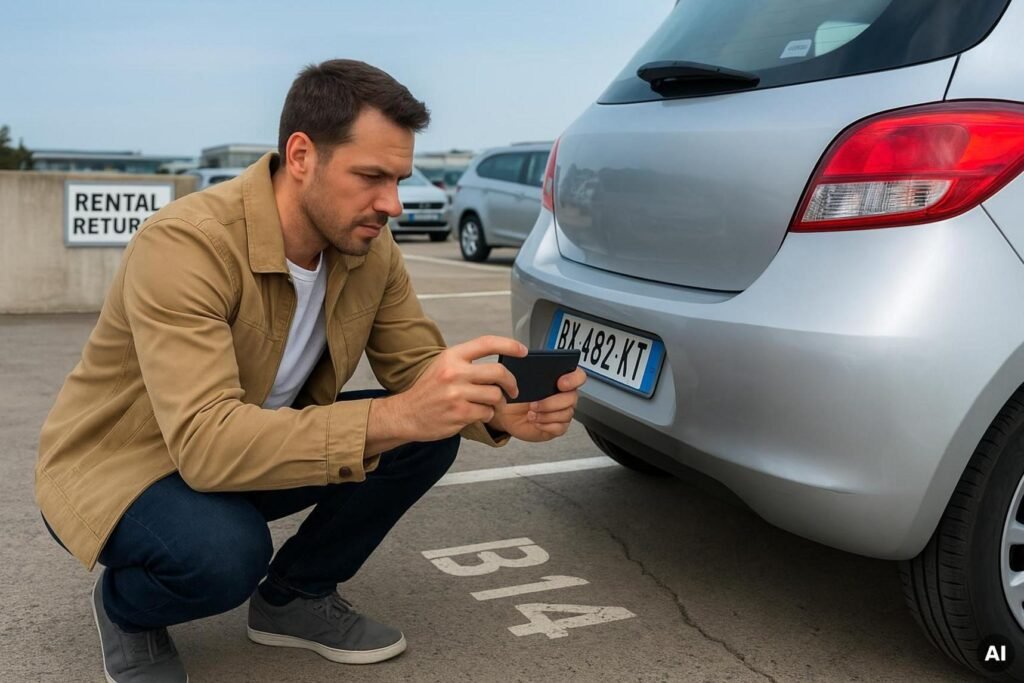
Before leaving the collection area, walk around the vehicle and record its condition. Take clear photos and a slow video of the exterior, paying close attention to the wheels, lower front bumper, and door panels.
Check the inside as well. Look for seat burns and marks on the dashboard, and confirm that the required safety items, such as reflective vests and a warning triangle, are in the trunk. If you find damage missing from the report, ask the staff member to add it before you leave.
Plan Tolls, Parking, Fuel Stops, and Charging Points
Planning these details in advance can prevent delays. Check whether your route includes countries that require digital vignettes, such as Austria, Switzerland, or Hungary. Buy them through official government websites to avoid inflated prices or fake sellers.
If you rent an electric car, plan each day around fast-charging stations on major roads. Check that your overnight accommodation has suitable charging facilities. Also find fuel stations near the return branch so you can refill the car before handing it back.
Keep Rental, Insurance, and Emergency Documents Accessible
Keep key documents together in a folder in your day bag or glove compartment. These should include the signed rental agreement, Green Card certificate, vehicle registration papers, and the emergency contact number for roadside help.
Paper copies are useful during a border or traffic check when searching through phone files may be difficult. Keep backup scans in secure cloud storage as well.
Check the Return Process and After-Hours Drop-off Rules
Before the final rental day, confirm the exact return steps for your branch. Airport returns may use separate access roads rather than the regular terminal lanes. Save the return depot’s location so you do not waste time driving around the airport.
If you need to return the car outside business hours, check that the branch has a secure key-drop box. Park in the correct space, photograph the dashboard with the fuel level and final mileage, and take one more set of exterior photos. Then place the keys in the collection box and finish your European road trip with a clear record of the vehicle’s condition.