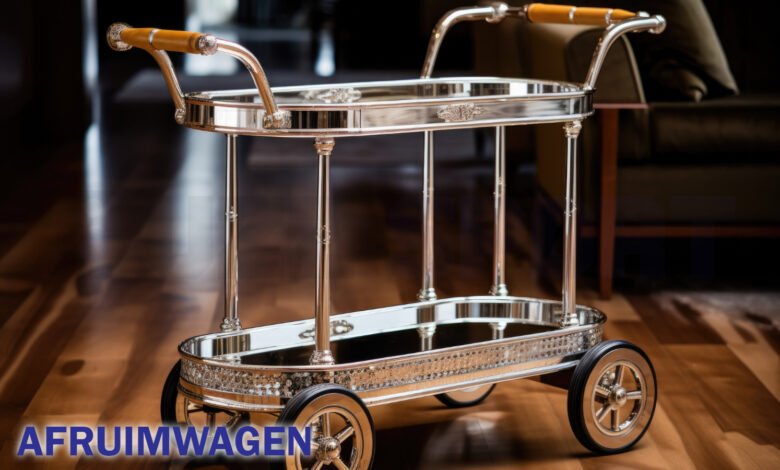
If you work in a restaurant, a hospital, a warehouse, or even on a farm, you may have seen a strong metal or plastic cart used to move things from one place to another. In the Netherlands and other Dutch-speaking areas, this kind of cart is often called an afruimwagen. The word looks tricky at first, but the idea behind it is easy to understand. In this article, we will explain what an afruimwagen is, how it works, where it is used, and why it is such a helpful tool for many types of businesses.
What Does “Afruimwagen” Mean?
The word “afruimwagen” comes from Dutch. It is made of two parts:
- Afruimen means “to clear away” or “to tidy up.”
- Wagen means “cart” or “wagon.”
So, when you put the two parts together, an afruimwagen is simply a clearing cart. It is a wheeled cart made to collect, carry, and move items so that a space can be cleared quickly and safely.
You may also hear this word used for a bussing cart in restaurants, where staff use it to clear dirty dishes from tables. But the same basic idea, a rolling cart that helps you clear and transport things, is used in many other fields too, such as healthcare, farming, and warehouses.
What Does an Afruimwagen Look Like?
An afruimwagen is usually simple in design but strong in build. Most models share these basic parts:
- A sturdy frame, often made from stainless steel, aluminum, or heavy-duty plastic
- Wheels or casters, which let the cart move smoothly across floors
- Shelves or trays, which hold items during transport
- Handles, so a worker can push or pull the cart with less effort
Because these carts are used again and again during a working day, they need to be tough. Stainless steel models are common in kitchens and hospitals because they are easy to clean and resist rust. Plastic models are often lighter and cheaper, which makes them a good choice for smaller businesses.
Where Are Afruimwagens Used?
One of the best things about an afruimwagen is how many different jobs it can do. Let’s look at a few common places where you will find one.
1. Restaurants and Hospitality
This is probably the most well-known use. In a busy restaurant, staff need to clear tables fast so new guests can sit down. An afruimwagen lets one worker collect plates, cups, and cutlery from several tables in a single trip, instead of carrying a small stack by hand. This saves time, reduces the chance of dropping dishes, and keeps the dining area looking clean and tidy.
2. Healthcare Settings
In hospitals and care homes, staff often need to move supplies, laundry, or waste from one room to another. A clearing cart helps workers carry these items without lifting heavy loads by hand. This is important because lifting heavy things again and again can lead to back pain and other injuries over time.
3. Warehouses and Logistics
In a warehouse, time is money. Workers use carts like the afruimwagen to move boxes, stock, or tools between different parts of the building. This keeps the workflow smooth and reduces the number of trips a worker has to make on foot.
4. Farms and Agriculture
Interestingly, in some Dutch farming communities, a larger version of the afruimwagen is used to move manure, silage, or harvested crops across the land. These bigger wagons are often pulled by tractors rather than pushed by hand, but they share the same basic goal: moving heavy material from one place to another with less effort.
5. Events and Cleaning Services
Event staff also use similar carts to set up and clear away chairs, tables, and equipment after a party, wedding, or conference. Cleaning crews use them too, to carry supplies and collect waste as they move through a building.
Why Do Businesses Use Afruimwagens?
You might wonder why a simple cart matters so much to a business. Here are the main reasons companies choose to use them.
Less Physical Strain on Workers
Carrying heavy items by hand, again and again, puts a lot of stress on the back, arms, and shoulders. An afruimwagen lets workers push or roll a heavy load instead of lifting it. Over time, this can lower the number of injuries at work, which is good for both the worker and the business.
Faster Work
Because a cart can carry many items at once, workers do not need to make as many trips. This means jobs like clearing tables or restocking shelves get done faster, which is especially useful during busy hours.
Better Organization
Many afruimwagens have shelves or sections, which help workers sort items as they collect them. For example, in a restaurant, one shelf might hold dirty plates while another holds used cups. This makes cleaning and sorting easier once the cart reaches its destination.
Improved Hygiene
In places like hospitals and kitchens, cleanliness is very important. Since most afruimwagens are made from materials like stainless steel or strong plastic, they are easy to wipe down and disinfect after use. This helps stop germs from spreading between different areas.
Cost Savings Over Time
Although buying a good-quality cart costs money at first, it often pays off later. Fewer worker injuries mean lower medical costs and less time off work. Faster clearing and moving of goods can also mean a business serves more customers or completes more tasks in the same amount of time.
Different Types of Afruimwagens
Not every afruimwagen looks the same. Businesses can choose a model that fits their exact needs. Here are a few common types.
- Tray carts: These have flat shelves and are common in restaurants for holding dishes and trays.
- Bin carts: These have deep, open containers, which are useful for carrying waste, laundry, or loose items.
- Folding carts: Some carts can fold flat when they are not in use, saving space in a storage room.
- Heavy-duty industrial carts: These are built for warehouses and factories, and they can carry much heavier loads than a standard hospitality cart.
When choosing a cart, it helps to think about what will be carried, how heavy the load will be, and how much space is available for storage.
How to Choose the Right Afruimwagen
If you are thinking about buying one for your own business, here are a few simple things to check first.
- Load capacity: Make sure the cart can safely hold the weight you plan to carry.
- Material: Stainless steel is strong and easy to clean, while plastic is often lighter and cheaper.
- Wheel quality: Good wheels should roll smoothly and turn easily, even on uneven floors.
- Size: Check that the cart will fit through doorways, hallways, and storage areas in your building.
- Maintenance: Look for a model that is easy to clean and repair, since this will save time and money later.
Taking a little time to think about these points can help you pick a cart that truly fits your daily work, instead of one that causes problems later.
A Simple Tool With a Big Impact
It is easy to overlook something as simple as a cart. But in many workplaces, the afruimwagen plays a quiet but important role every single day. It helps workers move faster, lift less, and keep their workspace clean and organized. Whether it is used to clear tables in a busy restaurant, carry supplies in a hospital, or move crops on a farm, this simple wheeled cart makes hard jobs a little easier.
As more businesses look for ways to improve safety and efficiency, tools like the afruimwagen will likely remain a common sight in kitchens, warehouses, hospitals, and beyond.
Frequently Asked Questions
What does the word “afruimwagen” mean in English?
The word comes from Dutch and roughly means “clearing cart.” It refers to a wheeled cart that is used to collect and move items, such as dirty dishes, supplies, or waste, from one place to another.
Is an afruimwagen only used in restaurants?
No. While it is very common in restaurants for clearing tables, the same type of cart is also used in hospitals, warehouses, farms, and at events. The basic design changes a little depending on the job, but the main purpose stays the same: to move items safely and quickly.
What should I look for when buying an afruimwagen?
Think about the weight you need to carry, the material of the cart (stainless steel or plastic), the quality of the wheels, and whether it will fit through your doorways and storage spaces. Choosing the right size and material will make the cart much easier to use every day.