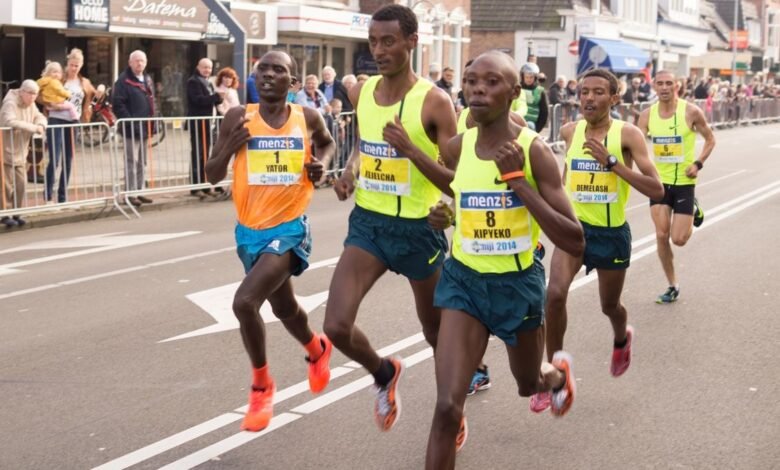
Most men training for a marathon pour their energy into the obvious things: mileage, pace, shoes and what they eat. Those matter, but the part that quietly makes or breaks a training block is recovery, and recovery is exactly where regular massage earns its place. Running hundreds of miles over a training cycle puts enormous repetitive load through the same muscles and joints, and the runners who reach the start line healthy are usually the ones who took that load seriously rather than just piling on more sessions.
Sports massage is not a luxury for elite athletes alone. For an ordinary man building up to 10K, a half or a full marathon, it does real, practical work: it helps flush tired muscles, eases the tightness that builds in the calves, hamstrings and hips, and keeps small problems from hardening into the kind of niggle that derails weeks of training. Done regularly, it is one of the simplest ways to keep your body answering the demands you are putting on it.
It also pays to work with someone who understands what distance running does to a body, and who you feel at ease with on the table. Plenty of men prefer a male practitioner for that, and it is easy to get a male massage therapist near me who regularly treats runners and knows which areas take the heaviest beating. Matching the therapist to the sport means the session targets the muscles your training actually hammers, rather than a generic rubdown.
Why running punishes the body
Running is a high-repetition, high-impact activity. Every stride sends force through the feet, ankles, knees, hips and lower back, and over a long run that adds up to thousands of near-identical loading cycles. The muscles that absorb and return that force, chiefly the calves, quads, hamstrings and glutes, gradually tighten and fatigue as the mileage climbs. Left unaddressed, that tightness changes how you move, placing extra strain on the joints and raising the risk of common running injuries.
The classic running complaints, from tight calves and sore Achilles to stiff hips and IT band trouble, are very often rooted in overworked, under-recovered soft tissue. Keeping that tissue loose and healthy is one of the most effective things a runner can do to stay consistent, and consistency is what builds marathon fitness.
What massage does for a runner
A sports massage works directly on the muscle tissue that running overloads. The therapist eases knots and tight bands, encourages blood flow to tired muscles and helps restore range of movement that long sessions quietly erode. After a hard week, many runners notice their legs feel lighter and looser, which makes the next block of training more productive and more comfortable.
There is a preventative benefit too. By treating tightness before it becomes pain, regular massage helps catch the small imbalances and overloaded areas that tend to precede injury. It will not make you injury-proof, but combined with sensible training and rest it tilts the odds in your favour, and staying injury-free is what lets you actually reach race day.
When to schedule massage around training
Timing matters. Many runners book a session during the heavier weeks of a training block, when mileage and fatigue are at their peak, to keep tightness under control. A deeper, more intense massage is best kept well away from key sessions and race day, since the muscles can feel a little tender afterwards. In the final days before a marathon, a lighter, flushing treatment is the safer choice.
As a general rhythm, a session every two to four weeks suits many runners through a training cycle, with the frequency rising as the long runs get longer. Your therapist can help you plan the timing around your biggest sessions so the treatment supports your training rather than interfering with it.
It is not just for elite athletes
There is a common idea that sports massage belongs only to professionals, but the opposite is closer to the truth. Recreational and first-time marathoners often have busier, more stressful lives outside running and less time to recover, which makes structured recovery even more valuable. Whatever your pace, if you are asking your body to cover marathon distances, it deserves the same care a serious athlete would give it. Protecting it with regular treatment is simply part of training like someone who intends to keep running for years, not just get through one race.
Frequently Asked Questions (FAQs)
1. How often should a runner get a sports massage?
Through a marathon block, every two to four weeks suits most runners, increasing as mileage peaks. The right frequency depends on your training load, your injury history and how your body responds.
2. Should I get a massage right before a race?
Avoid a deep, intense massage in the last few days, as it can leave muscles tender. A lighter, flushing treatment earlier in race week is a safer way to feel loose without risking soreness on the day.
3. Will sports massage help prevent running injuries?
It can help by easing the tightness and imbalances that often precede injury, though nothing guarantees you stay injury-free. Combined with sensible training, rest and good footwear, it is a useful part of staying healthy.
4. Is it normal for my legs to feel sore after a massage?
Mild tenderness for a day or so is normal after a deeper treatment, similar to the feeling after a hard session. It usually settles quickly, so schedule deeper work away from your key runs.
5. Do I need a therapist who specialises in runners?
It helps. A therapist experienced with runners understands the specific muscles and patterns distance running loads, so the session targets the areas that need it most rather than offering a generic treatment.