Have you ever cooked a curry, a soup, or a salad and added a handful of small green leaves on top? That herb is probably koriandri. Many people know it by other names too, like coriander or cilantro. It is one of the most common herbs in kitchens all around the world, and it has a long and interesting story behind it.
What Is Koriandri?
Koriandri is the common name for the plant Coriandrum sativum. It is a small, green herb that belongs to the Apiaceae plant family. This family also includes parsley, carrots, and celery, so if you have used those before, you already know a little about the herb family that koriandri belongs to.
The plant is an annual herb, which means it grows, flowers, and produces seeds all within one year. It usually grows between 30 and 90 centimeters tall. It has thin stems and soft, feathery leaves. In the later stage of growth, it produces small white or light pink flowers that grow in clusters shaped like tiny umbrellas. After the flowers fade, the plant produces round seeds, which are also used in cooking.
One special thing about koriandri is that almost every part of the plant can be used. The leaves, stems, and seeds all have a place in the kitchen. This makes it a very useful plant, since one herb can give you two very different flavors.
Coriander, Cilantro, or Koriandri? Why So Many Names?
People often get confused by the different names for this plant, so let’s make it simple.
In many parts of the world, both the leaves and the seeds are called coriander. But in the United States and Canada, people usually use different words for each part. The fresh green leaves are called cilantro, while the dried seeds are called coriander. In some European languages, the word koriandri or a similar word is used for the whole plant.
So, no matter which word you hear, they are all talking about the same plant. It is just that different countries and cultures use different names for the leaves and the seeds.
A Short History of Koriandri
Koriandri is not a new discovery. People have used this herb for thousands of years. It is originally from areas near the Mediterranean Sea and parts of the Middle East and North Africa.
Old records show that coriander seeds were found in ancient Egyptian tombs, including the tomb of the famous king Tutankhamun. This tells us that ancient Egyptians valued the plant, possibly for cooking or for religious ceremonies. Ancient Greek and Roman cooks also used it in their food, and Roman soldiers are believed to have carried the seeds with them as they traveled across Europe, which helped spread the plant to new lands.
Over time, traders carried koriandri along old trade routes to India, China, and other parts of Asia. Each region found its own way to use the herb, which is why today you can find koriandri in dishes from so many different cultures, from Mexican salsa to Indian curry to Thai soup.
Leaves or Seeds? Understanding the Two Main Parts
Koriandri gives us two very different ingredients from one single plant, and it helps to understand the difference.
The leaves (cilantro): The fresh leaves have a bright, citrus-like taste. Some people describe it as fresh, light, and a little bit peppery. Leaves are usually added near the end of cooking, or used raw, because heat can quickly reduce their fresh flavor and smell.
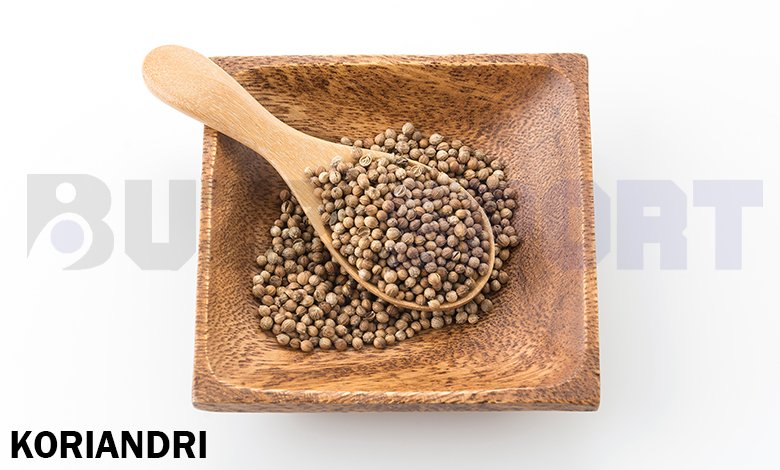
The seeds (coriander): The seeds are small, round, and light brown. When they are dried and either used whole or ground into powder, they give a warm, slightly sweet, and nutty flavor. Because the seeds hold their flavor well during cooking, they are often added early in a recipe, especially in spice mixes, curries, and stews.
This difference between the fresh leaves and the dried seeds is one of the main reasons koriandri is so useful in cooking. You are really getting two ingredients from just one plant.
Why Does Koriandri Taste Like Soap to Some People?
This is one of the most asked questions about koriandri, and there is a real answer behind it.
For most people, the leaves taste fresh and citrusy. But for a small group of people, the same leaves taste like soap. Researchers believe this happens because of genetics. Some people have a gene that makes them more sensitive to certain natural chemical compounds in the leaves, called aldehydes. These same compounds are also found in soap, which is why the taste reminds some people of it.
If you are one of these people, it does not mean something is wrong with you. It simply means your genes react differently to this herb. Many people who taste soap in fresh leaves can still enjoy the dried seeds without any problem, since the seeds have a different flavor profile.
How to Use Koriandri in Cooking
Koriandri is one of the easiest herbs to add to your daily meals. Here are some simple and popular ways people use it:
- Fresh leaves in salads: Chopped cilantro leaves add a light, fresh taste to green salads, coleslaw, and rice dishes.
- Garnish for soups and curries: A small handful of leaves on top of a hot dish adds color and a fresh smell.
- Salsa and guacamole: In Mexican cooking, fresh koriandri leaves are a key part of salsa and guacamole.
- Chutneys: In South Asian cooking, coriander leaves are blended with mint, chili, and lemon to make a fresh green chutney.
- Whole or ground seeds in spice mixes: Coriander seeds are a common part of curry powder, garam masala, and other spice blends.
- Roasted vegetables and meats: Ground coriander seeds add a warm, earthy flavor to roasted dishes.
- Pickling: Whole coriander seeds are often added to pickling liquid for extra flavor.
A simple tip: if you are using the fresh leaves, try adding them at the very end of cooking, or right before serving. This helps keep their fresh taste and bright color.
Health Benefits of Koriandri
Along with its use in cooking, koriandri has also been studied for its possible health benefits. It is important to remember that herbs like this are not a replacement for medicine, but they can be a healthy and natural part of your diet.
1. Good source of vitamins Fresh coriander leaves contain vitamins A, C, and K. These vitamins support healthy skin, a strong immune system, and normal blood function.
2. Contains antioxidants Koriandri contains natural antioxidant compounds. Antioxidants help protect the body’s cells from damage caused by unstable molecules known as free radicals.
3. May support digestion For a long time, coriander seeds have been used in traditional home remedies to help calm the stomach and support digestion. Many cultures use coriander tea or seed water as a simple, natural drink after meals.
4. May help manage blood sugar levels Some research suggests that coriander seeds may help support healthy blood sugar levels. However, this should not replace medical treatment, and anyone with diabetes should talk to a doctor before relying on it.
5. May have anti-inflammatory properties Some studies show that compounds found in koriandri may help reduce inflammation in the body, which is linked to many long-term health problems.
As with any natural ingredient, it is a good idea to use koriandri as part of a balanced diet, rather than as a cure for any specific health issue.
How to Grow Koriandri at Home
One nice thing about koriandri is that it is fairly easy to grow, even for beginners. Here are the basic needs:
- Sunlight: It needs about 4 to 5 hours of sunlight each day.
- Soil: It grows best in soil that drains well and has plenty of organic matter.
- Water: Keep the soil lightly moist, but avoid overwatering, since too much water can cause root problems.
- Temperature: Koriandri prefers cooler weather. In very hot temperatures, it can “bolt,” which means it grows flowers and seeds too quickly, and the leaves lose some of their fresh flavor.
- Space: It can be grown in a garden bed or in a pot on a sunny windowsill, which makes it a good choice for small spaces too.
If you enjoy cooking with fresh herbs, growing your own koriandri at home can save money and give you a constant fresh supply.
How to Store Koriandri
Fresh koriandri leaves do not last very long once they are picked, so proper storage matters.
- Wrap the leaves loosely in a damp paper towel and place them in a container in the fridge.
- You can also stand the stems in a small glass of water, like flowers, and cover the leaves loosely with a plastic bag.
- Coriander seeds, on the other hand, last much longer. Store them in a sealed container in a cool, dry, dark place, away from direct sunlight.
Final Thoughts
Koriandri is much more than a simple garnish on top of your food. It is a herb with a rich history, a wide range of uses, and possible health benefits that have been valued by different cultures for thousands of years. Whether you enjoy the fresh, citrusy leaves or the warm, earthy seeds, this small plant plays a big role in kitchens around the world.
If you have not tried using koriandri regularly in your cooking, it might be worth adding a small amount to your next meal. From salads to curries, this herb can bring fresh flavor and color to almost any dish.
Frequently Asked Questions
Is koriandri the same as coriander and cilantro?
Yes, they usually come from the same plant. In many countries, the word coriander is used for both the leaves and the seeds. In the United States and Canada, people often call the fresh leaves cilantro, while the dried seeds are called coriander. Koriandri is simply another common name for the same plant.
Why do some people say koriandri tastes like soap?
This happens because of genetics. Some people have a gene that makes them more sensitive to certain natural compounds in the leaves, and these same compounds are also found in soap. This is why a small group of people taste soap instead of a fresh, citrusy flavor.
Can I eat koriandri every day?
For most people, adding koriandri to meals regularly is safe and can be a healthy part of a balanced diet. However, if you have any health condition or take medication, it is a good idea to talk to a doctor before making any large changes to your diet.