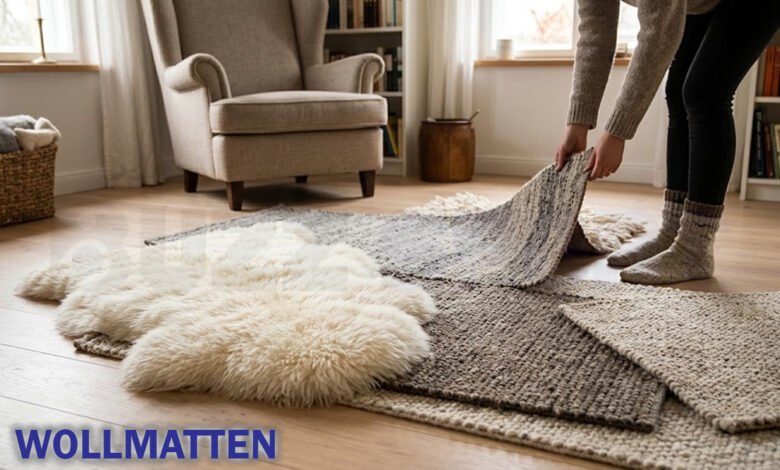
If you care about your home and the environment, you may have heard the word “Wollmatten.” This German word simply means “wool mats.” In English, we call them wool mats or wool insulation mats. They are made from real sheep’s wool, and more and more people are choosing them for their homes, offices, and even yoga studios.
What Are Wollmatten?
The word “Wollmatten” comes from two German words. “Wolle” means wool, and “Matten” means mats. So Wollmatten are mats made from natural wool fibers, usually sheep’s wool.
These mats are not new. People have used wool for warmth and comfort for thousands of years. What is new is how wool is now used in modern homes. Today, Wollmatten are used for insulation in walls, floors, and roofs. They are also used as floor coverings, yoga mats, bedding pads, and even padding for animals and gardens.
Wool has some amazing natural qualities. It keeps warm air in during winter and cool air in during summer. It also soaks up extra moisture in the air, which helps stop mold from growing. Because of this, wool mats are a smart and natural choice for many parts of a home.
How Are Wollmatten Made?
Making a wool mat is a simple process, but it takes skill and care. Here are the basic steps:
- Shearing: Sheep are sheared, which means their wool is cut off. This does not hurt the sheep and is done regularly to keep them healthy and comfortable.
- Cleaning: The raw wool is washed to remove dirt, grease, and other natural substances.
- Carding: The wool fibers are combed and straightened so they all face the same direction. This step also removes any remaining bits of dirt or plant matter.
- Felting or pressing: The wool fibers are pressed together using heat, moisture, and pressure. This makes the fibers lock together tightly, forming a strong mat. Most Wollmatten do not need glue or chemical binders because wool fibers naturally stick to each other.
- Drying and checking: The finished mats are dried and checked for quality before they are sold.
Because this process avoids harsh chemicals, the final product is safe to touch and handle. You do not need gloves or a mask to install wool insulation, unlike some synthetic materials such as fiberglass.
Why Wool Works So Well as Insulation
You might wonder why wool is such a good material for keeping a home warm or cool. The answer is in the structure of the wool fiber itself.
Each strand of wool has a hollow center and a natural coating. This shape allows the fibers to trap tiny pockets of air. Trapped air is a poor conductor of heat, which means it does not let heat pass through easily. This is exactly what you want from insulation. It keeps warm air inside during cold months and keeps hot air outside during summer.
Wool also has another special skill. It is what scientists call “hygroscopic.” This means wool can absorb moisture from the air and release it later. Wool can take in a large amount of water vapor without feeling wet. This helps control humidity inside a building. When the air is damp, the wool absorbs the extra moisture. When the air is dry, the wool lets that moisture go. This keeps indoor air feeling fresh and helps stop the growth of mold and mildew.
On top of that, wool is naturally fire resistant. It has a high ignition point, so it does not catch fire easily. If a flame is removed, wool tends to stop burning on its own. This is a big safety advantage compared to some plastic or foam insulation products.
Main Benefits of Wollmatten
Let’s look at the biggest reasons people choose wool mats over other options.
1. Natural and Eco Friendly
Wool is a renewable material. Sheep grow new wool every year, so it is not a limited resource like oil, which is used to make plastic and synthetic foam products. Wool is also biodegradable, meaning it breaks down naturally over time instead of sitting in a landfill for hundreds of years.
2. Great Insulation
As mentioned above, wool traps air and blocks heat transfer. This can help lower your energy bills because your home needs less heating in winter and less cooling in summer.
3. Moisture Control
Wool absorbs and releases moisture without losing its insulating power. This helps prevent damp walls and reduces the risk of mold, which can be harmful to health.
4. Sound Absorption
Wool mats are dense and soft, which makes them good at reducing noise. This is why some people use them not just for temperature control, but also to make a room quieter.
5. Safe and Comfortable
Wool mats are soft to the touch and safe to handle. Workers installing wool insulation do not need heavy protective gear, unlike with some synthetic insulation. This also makes wool a friendly choice for homes with children or pets.
6. Long Lasting
Good quality wool, when treated properly, can resist pests like moths and last for many years. This means you do not have to replace your wool mats often, which saves money over time.
Common Uses of Wollmatten
Wool mats are more flexible than many people realize. Here are some of the most common places you will find them:
- Wall insulation: Wool mats are placed inside walls to keep homes warm and quiet.
- Roof and attic insulation: Because wool works well at any angle, it fits nicely in sloped attic spaces.
- Floor underlayment: Wool mats can be placed under flooring to add warmth and reduce noise between floors.
- Yoga and exercise mats: Wool’s soft, natural texture makes it a comfortable base for yoga, stretching, and meditation.
- Bedding accessories: Wool mats and pads are used under mattresses for extra comfort and moisture control.
- Garden and agricultural use: Wool mats can be used as padding or as a natural mulch layer to protect plants and retain soil moisture.
- Wellness centers: Many spas and meditation studios use wool mats because they feel warm, soft, and calming underfoot.
Wollmatten Compared to Synthetic Mats
It can help to see how wool mats compare directly to synthetic mats, which are usually made from plastic or foam.
| Feature | Wollmatten (Wool) | Synthetic Mats |
|---|---|---|
| Material source | Natural (sheep’s wool) | Petroleum based |
| Breathability | High | Low |
| Thermal insulation | Excellent | Moderate |
| Sound absorption | High | Low |
| Moisture control | Very good | Poor |
| Biodegradable | Yes | No |
| Safe to handle | Yes, no protection needed | Often needs gloves or a mask |
As you can see, wool mats offer several advantages, especially for people who care about health and the environment.
Things to Keep in Mind Before Buying
While Wollmatten have many benefits, it helps to know a few practical points before choosing them for your home.
- Thickness matters: Wool mats come in different thicknesses. Thicker mats usually give better insulation, but you should check your project’s needs before buying.
- Quality varies: Not all wool mats are the same. Look for mats that are properly treated against pests like moths, so they last longer.
- Cost: Wool insulation can sometimes cost more upfront than synthetic options. However, many people find that the long life and energy savings make it worth the price over time.
- Source matters: Try to buy from sellers who use responsibly farmed wool. This supports better animal welfare and more sustainable farming practices.
Why More People Are Choosing Wool Mats Today
In recent years, more people have started thinking about where their building materials come from. Many are moving away from plastic and chemical-based products and looking for natural options instead. Wollmatten fit perfectly into this shift.
They offer real, proven performance for insulation and comfort, while also being kind to the planet. Whether you are renovating a home, building something new, or simply looking for a soft and natural mat for yoga or rest, wool mats are a solid, honest choice backed by centuries of use and modern testing.
Final Thoughts
Wollmatten show that sometimes the best solutions are the simplest ones. Wool has been used by humans for thousands of years, and modern science now confirms what people already sensed: wool keeps us warm, dry, and comfortable. Whether used in walls, floors, or as a mat under your feet, Wollmatten bring together comfort, safety, and care for the environment in one natural product.
If you are thinking about ways to make your home warmer, quieter, and more eco-friendly, wool mats are worth serious consideration.
Frequently Asked Questions
Are Wollmatten safe for people with allergies?
Yes, in most cases. Wool is a natural, hypoallergenic material, which means it rarely causes allergic reactions. It also does not release harmful chemicals into the air, unlike some synthetic insulation products.
How long do wool mats usually last?
When properly treated and cared for, wool mats can last for many years, often decades. Good quality wool resists pests like moths and holds its shape well over time.
Can Wollmatten be used outside as well as inside?
Yes. While they are most common as indoor insulation and floor coverings, wool mats can also be used outdoors for garden padding, mulching, or protecting plants, since wool naturally manages moisture well.