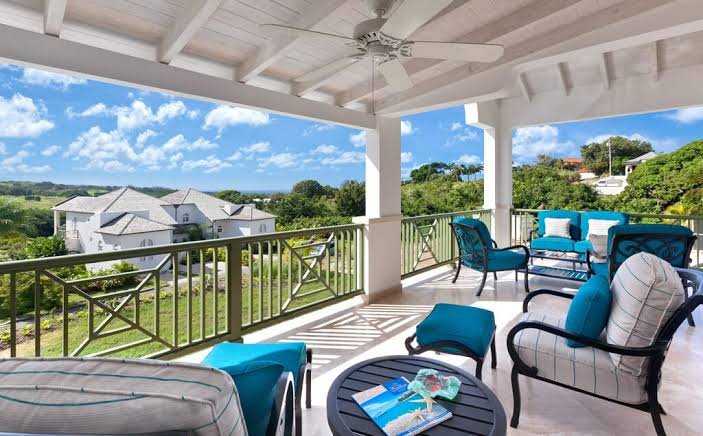
Choosing St. James as a holiday base still leaves an important question unanswered: which part of it will suit your days? A beachfront home, an inland property, and accommodation within a leisure estate can create quite different routines, even when all sit within the same parish.
The practical differences deserve attention before you settle on a favourite photograph. Think about how you want to reach the coast, where you expect to eat, and whether your group values proximity or separation. Those choices help turn a broad destination preference into a useful property search.
Understand the range within the parish
St. James lies on the west coast of Barbados and includes Holetown and coastal areas such as Paynes Bay. Its accommodation options extend beyond the immediate beachfront. Inland settings and properties associated with estates add other possibilities for travellers comparing privacy, facilities, and access.
Hammerton Barbados lists villas in St. James in coastal and inland settings, including locations associated with Sandy Lane, Royal Westmoreland, and Sugar Hill. That range is useful for understanding the choices available. An estate name, however, does not tell you exactly where a property sits or what facilities a booking includes.
Request the individual location and read the property details carefully. Two homes under the same broad destination heading can have different surroundings, routes to the coast, and arrangements for services. Compare the home itself rather than allowing a familiar area name to answer every question.
Decide what beach access means to you
For some travellers, beach access means leaving the house and reaching sand almost immediately. Others are happy to make a planned outing by car. Neither preference is more sensible; they simply require different accommodation.
Ask whether “near the beach” describes a walk, a drive, or a route involving steps. Establish where the entrance is and whether the journey includes a road crossing. If you want to take children, beach equipment, or a guest who walks slowly, the details can matter more than a straight-line distance.
Do not infer swimming conditions from a property’s photographs. Conditions can vary, and a view of water does not describe the shoreline or access at a particular moment. Seek local guidance and make your decisions according to the conditions you encounter during the stay.
Compare coastal and inland living
A home beside the coast may suit a group that expects to move frequently between the beach and the house. It can also mean that outdoor space has a different relationship with neighbouring properties and public activity. Ask about the setting if seclusion is a major priority.
An inland home may offer the layout, garden, or outlook you prefer, but transport becomes part of the daily plan. Consider whether your group will be content to organise each beach visit rather than making it spontaneously.
Avoid deciding that one setting is inherently more luxurious. A property works well when its advantages match your habits. An expansive terrace has limited value to someone who spends every daylight hour away, while immediate beach access may be less useful to travellers who mainly want quiet time around a pool.
Check estate facilities separately
A property description may refer to a golf, tennis, or residential estate. That association is useful context, but it is not a complete list of guest entitlements. Establish which facilities are available to your booking and whether registration, reservations, or additional charges apply.
If an activity is central to the holiday, ask specific questions before paying. Knowing that a venue exists nearby is different from knowing you can use it on the dates and at the times you want.
Confirm transport within the setting as well. A spacious estate can contain distances that are inconvenient for some guests to walk. Ask how people normally reach the entrance, leisure facilities, or any meeting point used for transfers.
Plan a few days beyond the address
A good base makes it easy to enjoy the accommodation and still explore. List two or three interests that you want the holiday to include, such as food, local history, or time on different beaches. Then consider how the location supports those plans.
The official Barbados history and culture guide offers ideas for looking beyond the immediate surroundings of a holiday home. Use it to identify the kinds of experiences that interest you, then check the current arrangements for any attraction you choose to visit.
Keep outings geographically sensible without trying to optimise every minute. One main plan can be enough for a day, especially when the group also wants time at the property. Allow room for meals, travel, and changes of preference.
Ask questions that distinguish a shortlist
Once several homes appeal to you, compare them using the same practical questions:
- What is the actual route from the property to the beach?
- Which shops and restaurants are convenient for the way we will travel?
- Are leisure facilities included, optional, or unavailable to this booking?
- How are bedrooms, terraces, and shared areas arranged?
- Who provides help locally if a property issue arises?
These questions bring the comparison back to daily life. They also reveal where more information is needed. A clear answer about access or services is usually more useful than another general description of the area’s appeal.
Read recent property information with your own priorities in mind. A comment praising remoteness may be encouraging for one group and a warning of extra transport planning for another. The same feature can have different value depending on the holiday you want.
Keep the booking terms in view
Location and appearance can absorb most of the research, leaving terms until the final step. Request a complete quote while the shortlist is still manageable. Confirm dates, room use, guest numbers, included services, and any additional charges.
Ask how arrival and departure work, particularly if flights fall outside the usual handover times. Establish the process for changes and cancellation directly with the booking provider. Written answers reduce the chance that an assumption becomes an inconvenience later.
Choose the setting that supports your days
St. James offers a broad destination framework, but the address and arrangements of the individual home shape the experience. Beach access, transport, layout, and facility entitlements deserve as much attention as the view.
Choose a base that makes your preferred routine feel straightforward. Once you know how the practical details work, you can enjoy the location with fewer decisions left unresolved after arrival.